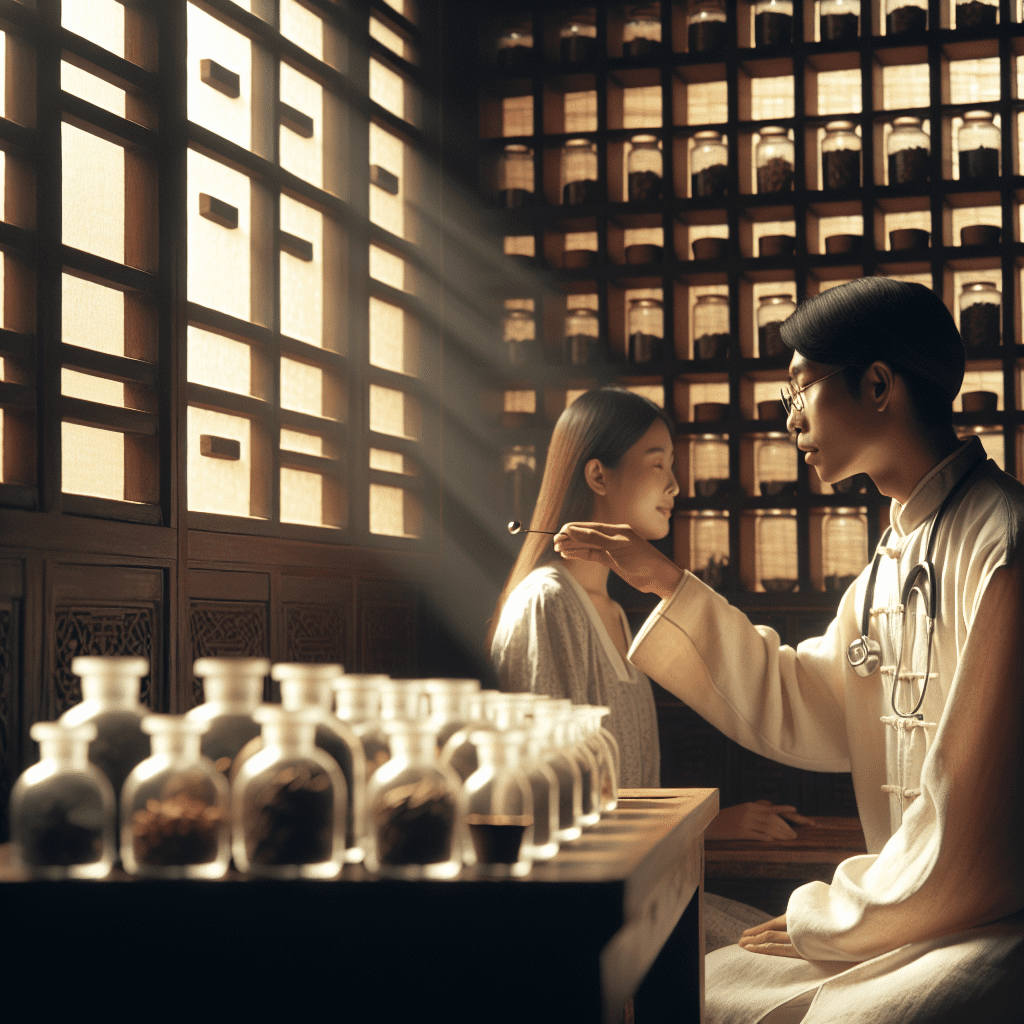
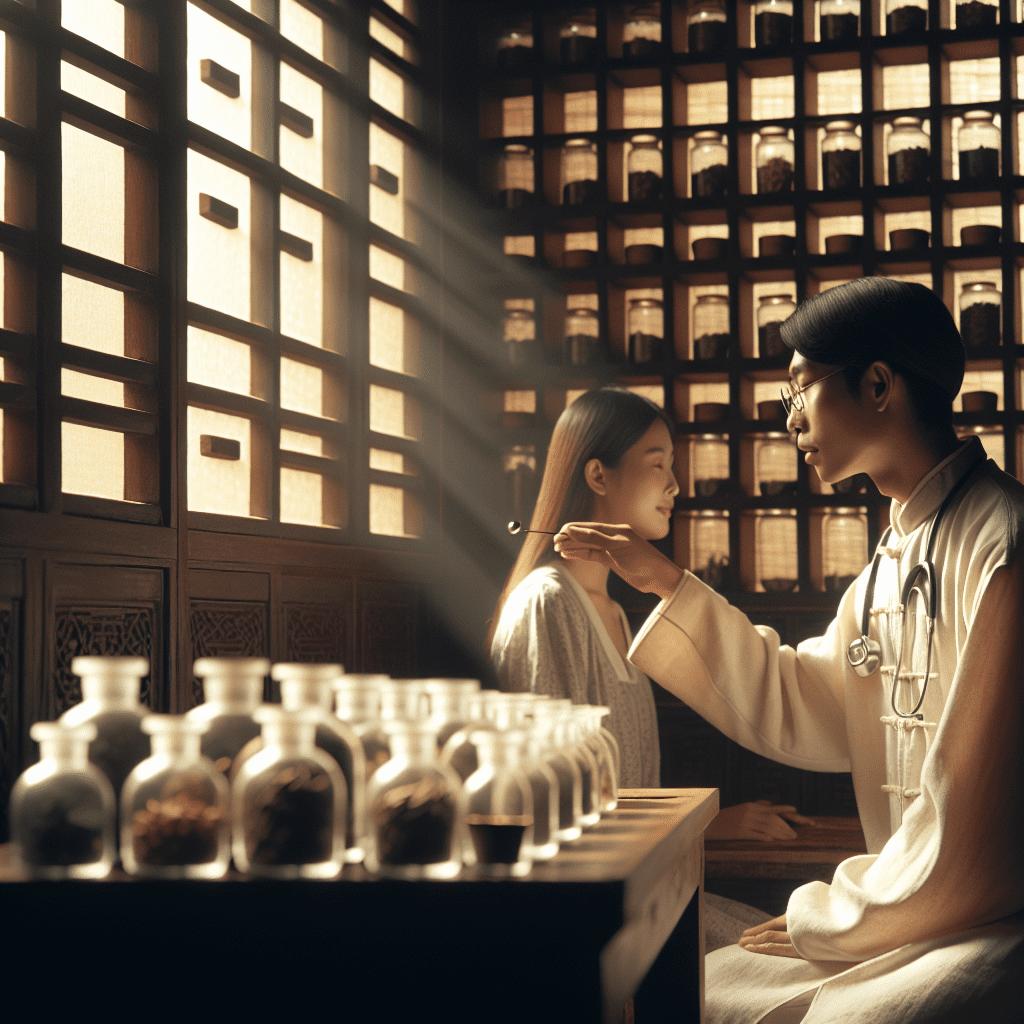
Have you ever wondered why some people catch colds easily while others seem immune to every bug going around? Or why your friend thrives on spicy foods while they leave you feeling uncomfortable? The answer might lie in your unique body constitution.
In Traditional Chinese Medicine (TCM), your body constitution is like your personal health blueprint—a combination of physical traits, emotional tendencies, and functional patterns that make you uniquely you. Unlike Western medicine, which often focuses on treating symptoms after they appear, TCM emphasizes understanding your constitution to prevent illness before it starts. Think of it as knowing whether your garden needs more sun or shade, more water or better drainage, so your plants can flourish naturally.
Your constitution influences everything from how you respond to different foods and weather changes to your susceptibility to certain health conditions. By understanding your constitution type, you can make informed choices about diet, lifestyle, and wellness practices that align with your body’s natural tendencies. This personalized approach empowers you to work with your body rather than against it, creating a foundation for lasting health and vitality.
Understanding the Nine Constitution Types
TCM recognizes nine distinct body constitution types, each with its own characteristics and needs. While one type—the Balanced Constitution—represents optimal health, the other eight reflect different patterns of imbalance. Let’s explore each type so you can begin to recognize yourself.
1. Balanced Constitution (Neutral Constitution)
This is the ideal constitution everyone aspires to. People with a Balanced Constitution have a toned, well-proportioned body with radiant, lustrous skin and thick, shiny hair. They possess abundant energy, a cheerful disposition, good appetite, and regular digestion. Their sleep is sound, they adapt well to different climates and environments, and they rarely fall ill.
Self-care tips: Maintain your balance through moderate exercise, a varied diet rich in whole foods, adequate sleep, and stress management. Continue healthy habits rather than taking your robust health for granted.
2. Qi Deficiency Constitution
If you often feel tired even after a full night’s sleep, speak in a soft voice, or catch colds frequently, you might have Qi Deficiency. These individuals tend to be introverted, lack stamina, and experience shortness of breath with minimal exertion. They may feel weak, sweat easily during the day, and have a pale complexion.
Self-care tips: Focus on gentle, energy-building exercises like tai chi or qigong rather than intense workouts. Eat warming, easily digestible foods such as rice porridge, sweet potatoes, chicken soup, and dates. Avoid raw, cold foods and excessive physical strain. Get adequate rest and avoid overwork.
3. Yang Deficiency Constitution
Do you always feel cold, even when others are comfortable? Yang Deficiency types are particularly sensitive to cold temperatures, preferring warmth in all seasons. They often have cold hands and feet, a pale complexion, and may experience digestive issues with loose stools. These individuals tend to be quiet, introverted, and may lack motivation.
Self-care tips: Keep warm, especially your lower back, abdomen, and feet. Eat warming foods like ginger, cinnamon, lamb, walnuts, and chestnuts. Drink warm beverages and avoid cold, raw foods and iced drinks. Engage in gentle, warming exercises and consider moxibustion therapy under professional guidance.
4. Yin Deficiency Constitution
In contrast to Yang Deficiency, Yin Deficiency types tend to feel warm or hot, particularly in the afternoon and evening. They may experience dry mouth and throat, warm palms and soles, flushed cheeks, and difficulty sleeping. These individuals are often thin, restless, impatient, and outgoing but may struggle with anxiety.
Self-care tips: Consume cooling, moistening foods like pears, watermelon, cucumber, lily bulbs, and duck. Avoid spicy, fried, and warming foods. Practice calming activities like meditation, gentle yoga, or swimming. Maintain adequate hydration and prioritize quality sleep in a cool environment.
5. Phlegm-Damp Constitution
People with this constitution often carry extra weight, particularly around the abdomen, and may feel heavy or sluggish. They experience excessive oiliness in their skin and hair, feel chest tightness, and tend to sweat easily. Their tongue often has a thick, greasy coating, and they may feel particularly uncomfortable in humid weather.
Self-care tips: Focus on foods that drain dampness, such as barley, adzuki beans, bitter melon, and mushrooms. Avoid dairy, greasy foods, sweets, and excessive salt. Engage in regular aerobic exercise to promote circulation and metabolism. Keep your living environment dry and well-ventilated.
6. Damp-Heat Constitution
This constitution combines dampness with heat, manifesting as oily skin prone to acne, a sensation of heaviness, bitter taste in the mouth, and yellowish urine. These individuals may have a short temper, feel irritable, and often experience digestive discomfort. They struggle in hot, humid environments.
Self-care tips: Eat cooling foods that clear heat and drain dampness, like mung beans, celery, lotus root, and green tea. Avoid spicy, greasy, and sweet foods, as well as alcohol. Maintain good hygiene, stay in cool environments when possible, and exercise regularly to promote sweating and detoxification.
7. Blood Stasis Constitution
Blood Stasis types often have a dull, darkish complexion with visible dark circles under the eyes. They may experience fixed pains in specific locations, notice spider veins or easy bruising, and have dry skin. Women often experience painful periods with dark clots. These individuals may be forgetful, irritable, and emotionally sensitive.
Self-care tips: Include circulation-promoting foods like hawthorn berries, turmeric, black fungus, eggplant, and rosehips. Avoid cold foods and environments that can slow circulation. Engage in regular movement and gentle massage to promote blood flow. Practice stress reduction techniques.
8. Qi Stagnation Constitution
Emotional sensitivity defines this constitution. Qi Stagnation types feel frustrated easily, experience mood swings, and often have a sensation of tightness or fullness in the chest and throat. They may sigh frequently, feel anxious or depressed, and be particularly sensitive to stress. Physical symptoms include breast tenderness and digestive issues triggered by emotions.
Self-care tips: Eat foods that promote smooth Qi flow, such as citrus fruits, radishes, garlic, and mint tea. Engage in activities that release emotions like dancing, singing, or nature walks. Practice deep breathing exercises and seek emotional support when needed. Avoid brooding and isolation.
9. Allergy Constitution (Special Intrinsic Constitution)
This constitution is characterized by hypersensitivity to various triggers. These individuals experience allergic reactions to pollen, dust, certain foods, or medications. They may have asthma, eczema, hives, or allergic rhinitis. Even without direct exposure, their immune system tends to overreact, and they’re often sensitive to weather changes and environmental factors.
Self-care tips: Identify and avoid personal triggers. Strengthen your immune system with balanced nutrition, including probiotic-rich foods. Maintain a clean living environment and consider using air purifiers. Consume foods that stabilize the immune system, such as honey (if not allergic), mushrooms, and bone broth. Work closely with healthcare providers to manage symptoms.
The Reality of Mixed Constitutions
While it’s helpful to understand these nine constitution types, here’s an important truth: most people don’t fit neatly into just one category. In reality, the majority of individuals have a mixed constitution, displaying characteristics from two or more types. You might, for example, have both Qi Deficiency and Damp-Heat tendencies, or combine aspects of Blood Stasis with Yin Deficiency.
This mixing is completely normal and reflects the complex, dynamic nature of the human body. Your constitution isn’t fixed in stone—it changes and evolves throughout your life based on various factors. Age naturally shifts our constitutional patterns, with Yang often declining as we get older. Lifestyle choices—what you eat, how much you exercise, your sleep patterns—continuously influence your constitution. Your environment, including climate, season, and even your living and working conditions, also plays a role. Stress levels, emotional states, and major life changes can trigger constitutional shifts as well.
Understanding that constitutions are fluid rather than fixed is actually empowering. It means that through conscious lifestyle choices and self-care practices, you can nudge your constitution toward better balance. The goal isn’t perfection but rather gradual improvement and maintenance of harmony.
General Prevention Tips for All Constitution Types
Regardless of your specific constitution type, certain foundational practices support overall wellbeing:
- Eat seasonally and locally: Choose fresh, whole foods appropriate to your climate and season
- Practice moderation: Avoid extremes in diet, exercise, and lifestyle habits
- Maintain regular routines: Consistent sleep schedules and meal times support your body’s natural rhythms
- Manage stress proactively: Find healthy outlets for emotional expression and relaxation
- Stay physically active: Regular, appropriate exercise promotes Qi and blood circulation
- Foster social connections: Emotional health deeply impacts physical constitution
- Listen to your body: Pay attention to how different foods, activities, and environments affect you
How to Identify Your Constitution Type
Now you’re probably wondering: “How do I actually figure out my constitution type?” There are several approaches, each offering valuable insights.
Observing Symptom Patterns
Start with self-observation. Keep a journal noting your energy levels, digestive patterns, emotional states, sleep quality, and physical symptoms over several weeks. Notice what makes you feel better or worse—certain foods, weather conditions, stress levels, or activities. The patterns that emerge will point toward your predominant constitution type or types.
Tongue and Pulse Analysis
In TCM, the tongue and pulse provide windows into your internal state. A pale tongue might indicate Qi or Yang Deficiency, while a red tongue with little coating suggests Yin Deficiency. A tongue with a thick, greasy coating often indicates Phlegm-Dampness or Damp-Heat. Pulse characteristics—whether it’s strong or weak, fast or slow, deep or superficial—reveal different constitutional patterns. However, accurate tongue and pulse diagnosis requires training and experience.
Validated Questionnaires
Researchers have developed standardized questionnaires based on TCM constitution theory. These assessment tools ask detailed questions about your physical characteristics, symptoms, emotional tendencies, and environmental sensitivities. While questionnaires provide helpful guidance, they work best when combined with professional assessment.
Professional Assessment by Licensed TCM Practitioners
The most reliable way to identify your constitution is through consultation with a licensed TCM practitioner. These professionals integrate multiple diagnostic methods—visual observation, listening to your voice, asking detailed questions about your health history, and performing tongue and pulse diagnosis. They can identify subtle patterns you might miss and provide personalized recommendations tailored to your unique constitutional makeup.
Professional assessment is particularly valuable if you have complex health concerns, multiple symptoms that seem unrelated, or if you’re unsure which constitution type fits you best. A qualified practitioner can distinguish between primary and secondary patterns, helping you prioritize which aspects of your constitution to address first.
Embracing Personalized Wellness Through Ancient Wisdom and Modern Innovation
Understanding your TCM body constitution type opens the door to truly personalized wellness—an approach that honors your body’s unique needs rather than following generic advice. This ancient framework, refined over two millennia, offers profound insights into maintaining health and preventing disease.
At HerbalsZen, we’re passionate about making this timeless wisdom accessible and practical for modern life. Our philosophy centers on the belief that optimal wellness emerges when we honor both ancient Eastern knowledge and cutting-edge innovation. Through our EastChi AI platform, we’ve integrated Five Elements theory, Yin-Yang balance, and constitutional assessment with modern artificial intelligence to deliver personalized nutrition plans and lifestyle recommendations tailored to your unique constitution.
We recognize that food is medicine, and that your body’s specific needs differ from everyone else’s. What nourishes your friend might create imbalance for you. By understanding your constitution type—whether you’re managing Qi Deficiency, cooling Damp-Heat, or balancing mixed patterns—you can make informed choices that support your body’s natural healing potential.
Our holistic approach acknowledges the inseparable connection between physical symptoms, emotional wellbeing, and environmental factors. When you address imbalances at their root through personalized diet, lifestyle adjustments, and appropriate self-care practices, you create lasting harmony rather than simply masking symptoms.
The journey to understanding your constitution is a journey of self-discovery and empowerment. As you become more attuned to your body’s signals and needs, you’ll develop intuitive wisdom about what serves your wellbeing. Combined with the structured insights of TCM constitution theory and the personalized guidance that modern technology enables, you hold the tools to unlock your body’s innate healing potential and achieve the natural balance that is your birthright.
Your constitution is your starting point, not your destiny. With awareness, intention, and the right support, you can cultivate greater harmony, vitality, and wellness—honoring the ancient wisdom that health isn’t about forcing change, but rather about removing obstacles and allowing your natural vitality to flourish.