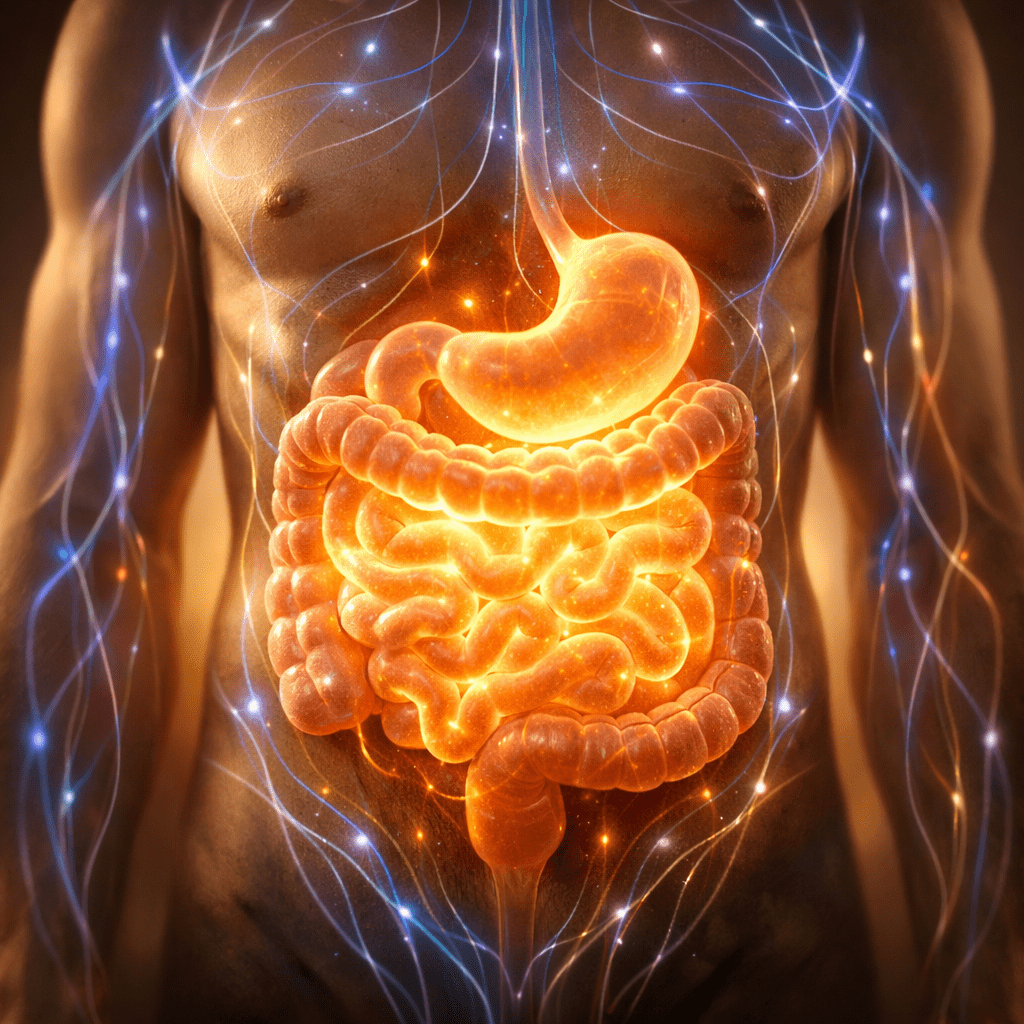
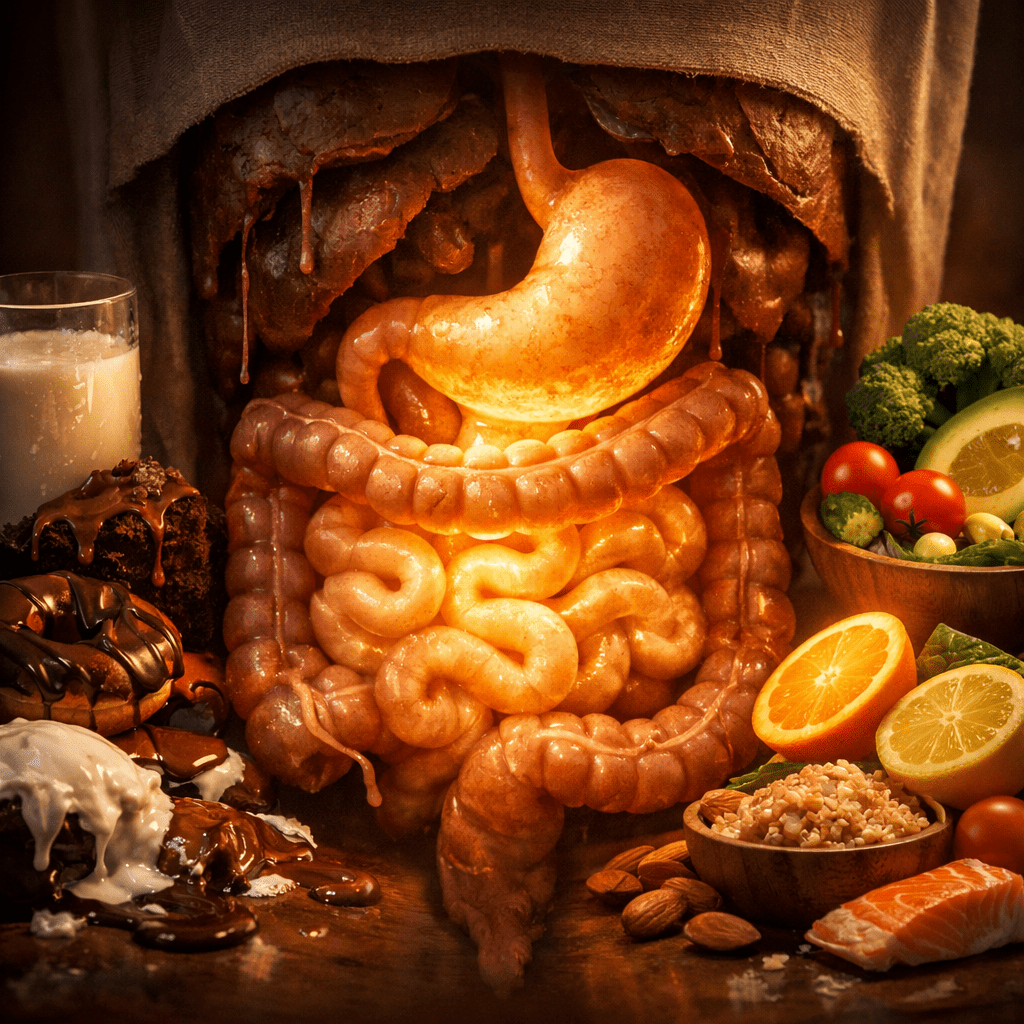
Your gut is talking to you. That subtle bloating after meals, the afternoon energy crash, the restless nights—these aren’t just random inconveniences. They’re messages from the trillions of microorganisms living in your digestive system, collectively known as your gut microbiome. And here’s what makes this fascinating: your gut microbiome is as unique as your fingerprint, performing jobs so vital that ancient Chinese medicine practitioners called the digestive system the “root of post-heaven essence“—the foundation of all energy and vitality after birth.
For over 2,000 years, Eastern medicine has recognized what modern science is only now confirming: gut health isn’t just about digestion. It’s the cornerstone of your entire wellbeing. Your gut microbiome breaks down the fiber and starches you eat, synthesizes essential vitamins your body can’t produce on its own, shapes your immune system’s response to threats, and even influences your mood and mental clarity. When your gut is balanced, you feel energized, focused, and resilient. When it’s out of harmony, everything from your immune function to your emotional state can suffer.
The good news? Improving gut health naturally doesn’t require expensive supplements or complicated protocols. It starts with understanding the simple daily habits your gut has been craving all along—habits that honor both the wisdom of traditional practices and the insights of modern nutritional science.
The Daily Habits That Transform Your Gut
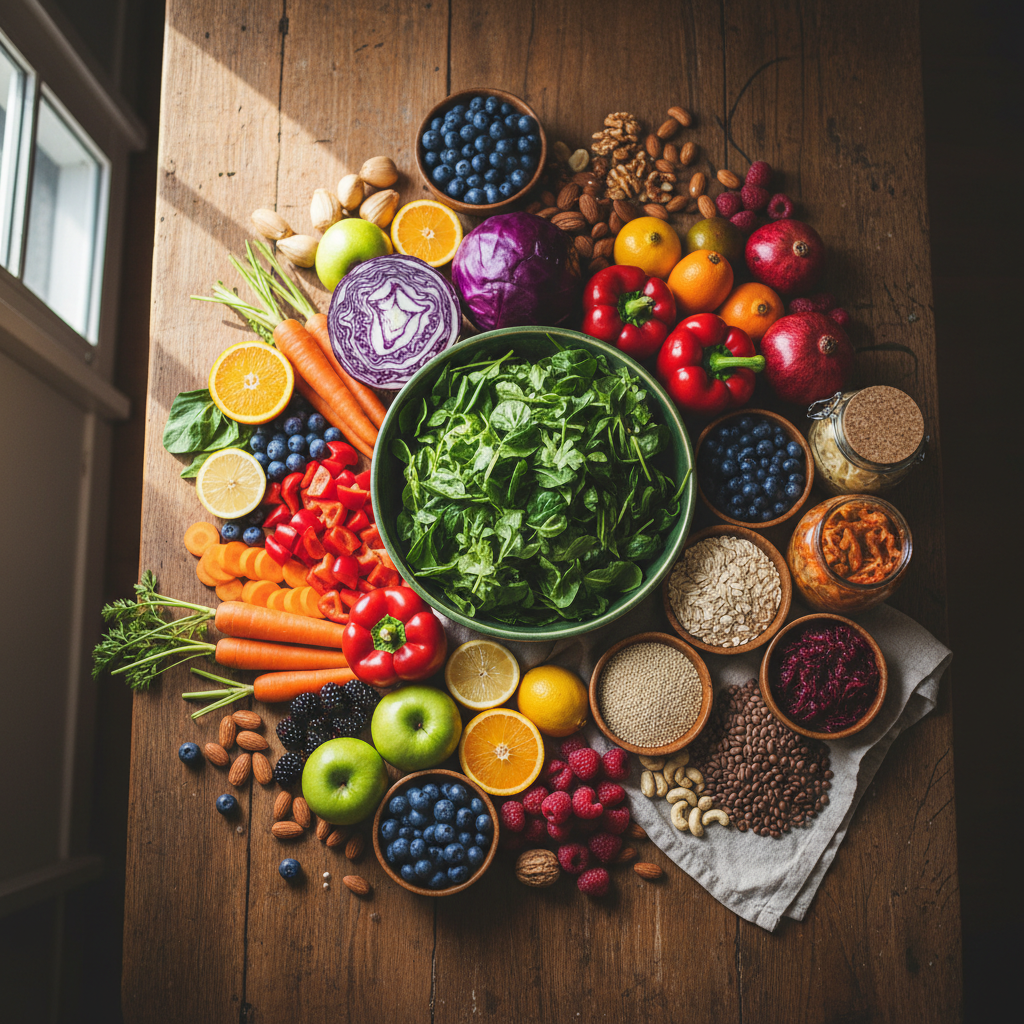
Let’s talk about fiber. Not the boring, tasteless kind you might associate with cardboard cereal, but the vibrant, diverse plant fibers that feed the beneficial bacteria in your gut. Think of fiber as fertilizer for your microbiome garden. When you eat a colorful variety of vegetables, fruits, whole grains, legumes, and nuts, you’re providing different types of fiber that nourish different beneficial bacterial strains.
Here’s what happens: these gut bacteria ferment the fiber you eat, producing short-chain fatty acids like butyrate that reduce inflammation, strengthen your intestinal barrier, and help regulate your immune system. A balanced gut microbiome can promote tissue health and lower your risk of conditions including diabetes, inflammatory bowel disease, and even some cancers. The key is diversity. Instead of eating the same salad every day, rotate through different vegetables—dark leafy greens one day, cruciferous vegetables like broccoli the next, then root vegetables like sweet potatoes and beets.
One of my favorite recommendations aligns perfectly with traditional Chinese medicine principles: eat warm, cooked foods. Raw salads might seem healthy, but in TCM, they’re considered “cold” and harder to digest, potentially weakening your spleen system—the organ system responsible for transforming food into usable energy. Soups, stews, and lightly steamed vegetables are easier on your digestive system and allow your body to extract more nutrients with less effort.
Now, let’s talk about the power players: prebiotics and probiotics. Prebiotics are essentially food for your beneficial gut bacteria, found in foods like onions, garlic, leeks, asparagus, and bananas. When you eat these foods regularly, you’re creating an environment where good bacteria can thrive. Probiotics, on the other hand, are live beneficial bacteria found in fermented foods.
Fermented foods have been staples in traditional diets worldwide for centuries. In Korea, it’s kimchi. In China, it’s pickled vegetables and fermented bean pastes. In the West, it’s yogurt, kefir, and sauerkraut. These aren’t just tasty additions to your meals—they’re delivering billions of beneficial microorganisms directly to your gut. A recent study found that fermented foods can boost the spleen (in TCM terms), alleviate digestive stagnation, dispel excess fluids, and strengthen immune function.
Start small. Add a spoonful of sauerkraut to your lunch or enjoy a small bowl of plain yogurt with your breakfast. Your gut doesn’t need massive amounts of fermented foods to benefit; consistency matters more than quantity. Aim to include some form of fermented food in your daily routine, and pay attention to how your body responds. You might notice less bloating, more regular digestion, and better energy levels within just a few weeks.
Hydration is another daily habit that’s often overlooked in gut health conversations. Water plays a crucial role in digestion—it helps break down food, absorbs nutrients, and keeps things moving smoothly through your intestinal tract. But here’s an insight from traditional Chinese medicine: the temperature of what you drink matters. Ice-cold beverages can “shock” your digestive system and slow down the digestive process. Room temperature or warm water, on the other hand, supports your body’s natural digestive fire.
Try starting your morning with a cup of warm water, perhaps with a slice of fresh ginger. Ginger is revered in traditional Chinese medicine as a digestive aid that reduces bloating, nausea, and inflammation while supporting healthy gut motility. This simple habit can wake up your digestive system gently and prepare it for the day ahead.
Movement is medicine for your gut. Regular exercise does more than tone your muscles—it actually influences the diversity and composition of your gut microbiome. Physical activity increases the production of beneficial short-chain fatty acids and helps maintain a healthy intestinal barrier. You don’t need to run marathons; even 30 minutes of walking, yoga, or tai chi can make a significant difference. In fact, gentle, flowing movements like tai chi and qigong have been practiced in Eastern traditions specifically to support digestive health and energy flow.
Perhaps the most underestimated factor in gut health is stress management. Your gut and brain are in constant communication through what scientists call the gut-brain axis. When you’re stressed, your body diverts resources away from digestion, alters the composition of your gut bacteria, and increases intestinal permeability—a condition sometimes called “leaky gut.” Chronic stress can literally reshape your microbiome in unhealthy ways.
This is where ancient practices offer profound wisdom. Mindful eating—chewing thoroughly, eating without distractions, and paying attention to your body’s hunger and fullness cues—isn’t just a nice idea. It’s a practical tool that activates your parasympathetic nervous system, the “rest and digest” mode that optimizes digestive function. When you eat while scrolling through your phone or working at your desk, you’re sabotaging your gut’s ability to do its job effectively.
Consider incorporating a few minutes of deep breathing or meditation before meals. In traditional Chinese medicine, this helps settle the “shen” (spirit) and allows your digestive fire to work optimally. Even five conscious breaths before eating can shift your nervous system into a state more conducive to healthy digestion.
Sleep deserves its own spotlight in the gut health conversation. Your gut microbiome follows a circadian rhythm, just like the rest of your body. When you maintain irregular sleep patterns or skimp on rest, you disrupt this rhythm, leading to reduced microbial diversity and increased inflammation. Adults need at least seven to eight hours of quality sleep, and keeping a consistent sleep schedule supports both your gut health and your overall vitality.

Where Ancient Wisdom Meets Modern Innovation
Now, here’s where things get really interesting. Traditional Chinese medicine has understood for millennia that every person has a unique constitution, requiring personalized approaches to wellness. What strengthens one person’s digestion might overwhelm another’s. This individualized perspective is something Western medicine is only recently embracing through microbiome research, which confirms that each person’s gut microbiome is indeed unique.
This is the philosophy at the heart of HerbalsZen’s approach. By integrating 2,000 years of Eastern medicine wisdom—including Five Elements theory, Yin-Yang balance, and the principle that food is medicine—with modern artificial intelligence, we can now offer truly personalized nutrition and lifestyle plans based on your individual body constitution.
Think about it: In traditional Chinese medicine, practitioners carefully assess your tongue, pulse, energy patterns, and symptoms to determine your constitutional type. Are you someone with “spleen qi deficiency” who tends toward bloating and fatigue after eating? Or do you have “liver qi stagnation” that manifests as digestive issues during stressful periods? These aren’t just abstract concepts—they’re frameworks for understanding the unique patterns of imbalance in your body.
Modern AI technology can now analyze these constitutional patterns along with your specific symptoms, food preferences, and lifestyle factors to create recommendations tailored specifically to you. For someone with weak digestive fire (what TCM calls “spleen yang deficiency“), the recommendation might emphasize warming, easily digestible foods like ginger-infused soups and steamed root vegetables, while suggesting they avoid cold, raw foods and iced drinks. For someone with heat patterns and inflammation, cooling foods and stress-reduction techniques might take priority.
This personalized approach acknowledges a fundamental truth: improving gut health naturally isn’t about following generic advice from the internet. It’s about understanding your body’s unique needs and responding with wisdom and care. The same probiotic supplement that helps your friend might not be right for you. The intermittent fasting protocol trending on social media might actually harm your particular constitution.
At HerbalsZen, we believe in empowering you to become an active participant in your wellness journey. Through our EastChi AI platform, you can receive guidance that considers not just your physical symptoms, but also the interconnected nature of your emotional wellbeing, stress levels, sleep patterns, and environmental factors. This holistic harmony—recognizing the inseparable mind-body connection—is what Eastern medicine has always practiced, and what modern gut health science is now validating.
The beauty of this approach is that it meets you where you are. Maybe you’re dealing with chronic digestive issues, low energy, or difficulty sleeping. Maybe you’re simply curious about optimizing your wellness through natural approaches. Whatever your starting point, a personalized plan based on your constitution can guide you toward specific foods, herbs, and lifestyle practices that support your unique path to balance.
Your Journey to Gut Harmony Starts Now
Improving gut health naturally isn’t about perfection. It’s about progress, consistency, and honoring your body’s wisdom. Start with one or two of these daily habits—perhaps adding more diverse plant foods to your meals and incorporating a fermented food you enjoy. Notice how your body responds. Do you have more energy? Better digestion? Improved sleep?
As you build these foundations, you might explore deeper personalization. Understanding your constitutional type can unlock insights about why certain foods make you feel amazing while others leave you sluggish. It can explain why your gut health journey looks different from your friend’s, and why the one-size-fits-all advice never quite worked for you.
Your gut microbiome has been with you since birth, evolving and adapting based on everything you eat, how you move, how you manage stress, and how well you sleep. These trillions of microorganisms aren’t just passive passengers—they’re active partners in your health journey. By giving them what they need—diverse fiber, beneficial bacteria from fermented foods, adequate hydration, regular movement, stress management, and quality sleep—you’re not just improving your digestion. You’re supporting your immune system, balancing your mood, and building a foundation for long-term wellness.
The simple daily habits your gut has been craving aren’t complicated or expensive. They’re rooted in the wisdom of traditional practices validated by modern science. They honor the principle that true wellness comes from harmony—between ancient and modern, between universal truths and individual needs, between body and mind.
Your journey to optimal gut health is uniquely yours. Embrace it with curiosity, patience, and the understanding that your body has an innate capacity to heal and balance itself when given the right support. The wisdom has always been there, waiting for you to listen.