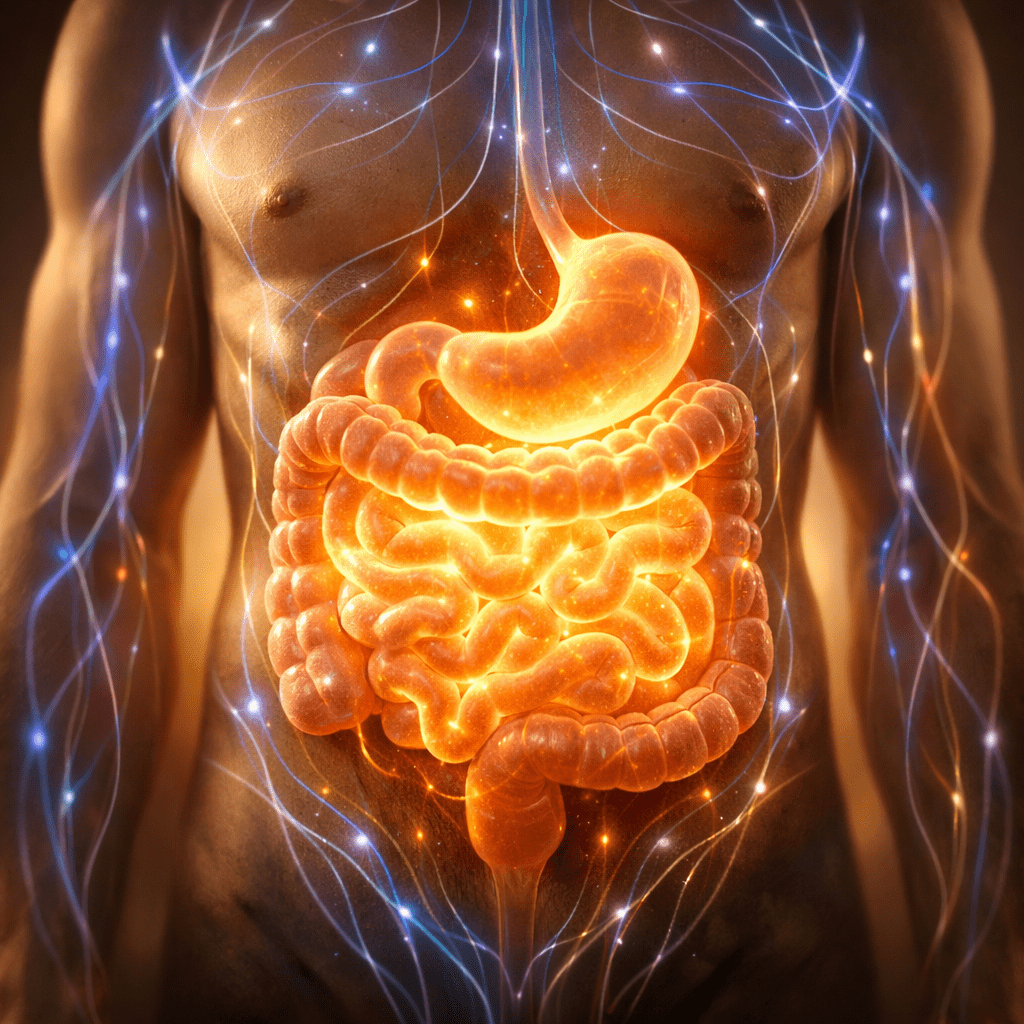
Your gut health influences far more than just digestion. In traditional Chinese medicine (TCM), the digestive system represents the foundation of vitality, energy levels, mental clarity, and even emotional balance. When your gut struggles, everything else suffers—from chronic fatigue and brain fog to anxiety and weakened immunity.
For over 2,000 years, TCM has recognized that the Spleen and Stomach form the core of digestive wellness. Unlike Western medicine’s anatomical focus, the TCM “Spleen system” governs how your body transforms food into usable energy, known as Qi. The Stomach receives and breaks down food, while the Spleen extracts nutrients and distributes them throughout your body. When these organs function harmoniously, you experience sustained energy, mental clarity, and resilient health. When they become weakened or imbalanced, digestive distress becomes inevitable.
Modern research increasingly validates what ancient practitioners understood intuitively: gut health directly impacts overall wellness. Yet many people unknowingly consume foods that sabotage their digestive harmony daily. Understanding which foods undermine gut health—and why—empowers you to make choices that support rather than strain your digestive system.
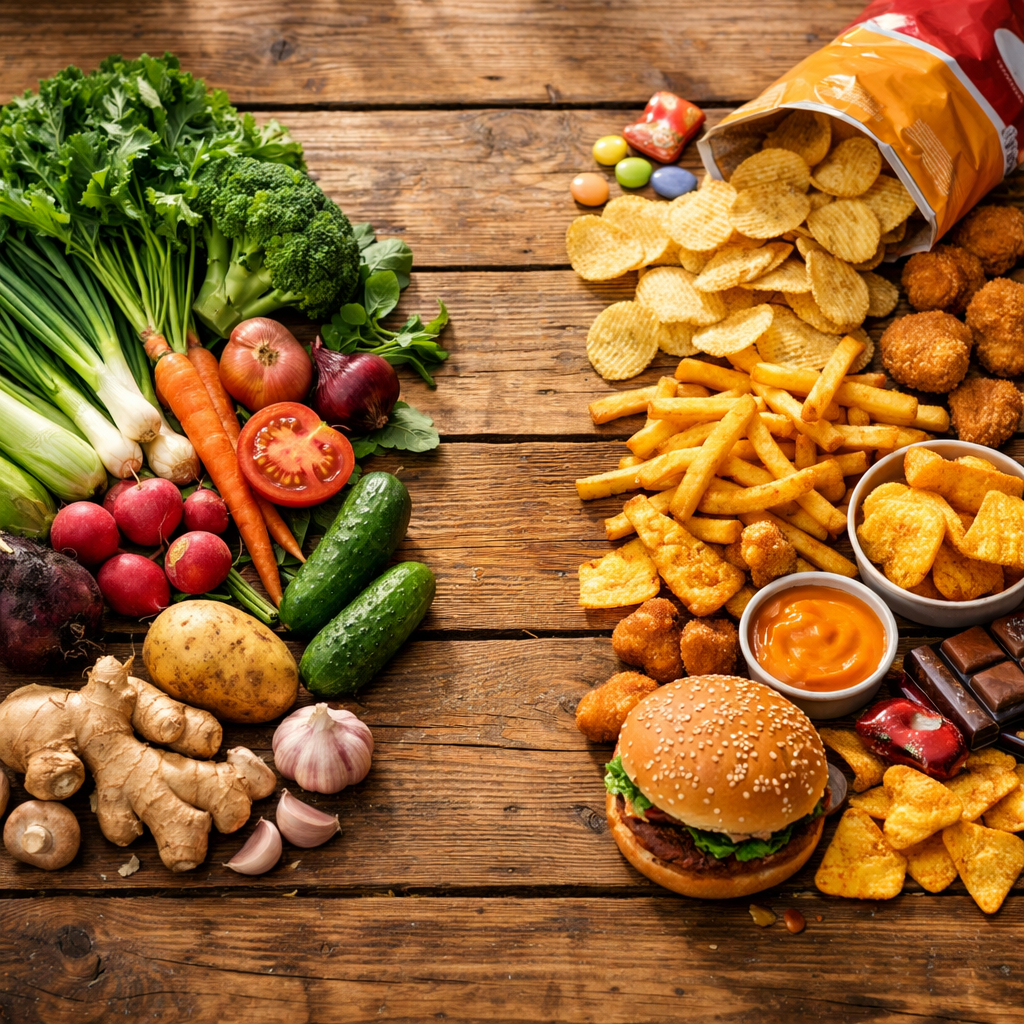
The TCM Perspective: How Food Affects Your Gut
Traditional Chinese medicine approaches gut health through interconnected concepts that reveal why certain foods create digestive chaos. Three key principles stand out: Spleen Qi, Dampness, and Liver Qi.
Spleen Qi represents your digestive fire—the metabolic energy that transforms food into nourishment. When Spleen Qi thrives, you digest meals easily, extract nutrients efficiently, and maintain steady energy throughout the day. Weakened Spleen Qi manifests as bloating, loose stools, fatigue after eating, and difficulty maintaining healthy weight. Cold, raw, and heavy foods directly deplete Spleen Qi because they require excessive digestive energy to process.
Dampness describes a pathological accumulation of fluids and metabolic waste that occurs when the Spleen cannot properly transform and transport nutrients. Think of Dampness like internal humidity—sticky, heavy, and stagnant. It manifests as persistent bloating, brain fog, sluggish digestion, excess mucus, and a coating on your tongue. Certain foods—particularly dairy, sugar, and fried items—generate Dampness, essentially clogging your digestive system’s ability to function efficiently.
Liver Qi stagnation affects digestion indirectly but powerfully. In TCM, the Liver governs the smooth flow of Qi throughout the body, including through the digestive tract. When stress, frustration, or emotional tension cause Liver Qi to stagnate, it “attacks” the Spleen and Stomach, creating symptoms like irritable bowel patterns, abdominal tension, and digestive issues that worsen under stress. Alcohol and processed foods particularly aggravate Liver Qi imbalances.
TCM practitioners emphasize warm, cooked meals over raw and cold foods because cooking essentially “pre-digests” food, making nutrients more accessible while requiring less Spleen Qi expenditure. A bowl of warm vegetable soup demands far less digestive energy than a raw kale salad, leaving more energy available for healing, immunity, and daily activities.
The 7 Worst Foods for Gut Health According to TCM
1. Raw and Cold Foods
Salads, smoothies, raw vegetables, and cold fruits top the list of gut-disrupting foods in TCM. While Western nutrition celebrates raw foods for preserving vitamins and enzymes, TCM recognizes a critical downside: they severely tax your digestive fire.
Your Spleen requires warmth to function optimally. When you consume ice-cold smoothies or large raw salads, your body must first warm these foods to body temperature before digestion can begin. This process drains precious Spleen Qi, leaving less energy available for actual nutrient extraction. Over time, regular consumption of cold, raw foods weakens digestive capacity, leading to bloating, loose stools, undigested food in stool, and chronic fatigue.
One TCM practitioner shared the story of a patient who complained of persistent bloating and low energy despite eating what she considered a “healthy” diet filled with green smoothies and raw vegetable salads. Within three weeks of switching to warm, cooked vegetables and eliminating cold foods, her bloating disappeared and energy levels normalized. The difference wasn’t the vegetables themselves—it was the preparation method.
2. Dairy Products
Milk, cheese, yogurt, and ice cream present significant challenges for gut health from a TCM perspective. Dairy products are considered inherently Dampness-producing, creating internal accumulation that clogs digestive pathways and generates excess mucus.
For individuals already experiencing Dampness symptoms—persistent bloating, brain fog, sluggish digestion, or excess phlegm—dairy consumption intensifies these issues. The rich, heavy nature of dairy products requires substantial digestive fire to process, and many people lack sufficient Spleen Qi to handle regular dairy intake.
Studies suggest that up to 68% of the global population has some degree of lactose intolerance, yet many people continue consuming dairy despite experiencing digestive discomfort, attributing their symptoms to other causes. TCM would argue that even for those who can technically digest lactose, dairy’s Dampness-generating properties make it problematic for optimal gut health.
This doesn’t mean dairy is universally forbidden. Small amounts of room-temperature, fermented dairy like kefir may be tolerable for those with strong digestive systems. However, for anyone experiencing digestive struggles, eliminating dairy for 2-3 weeks often reveals its hidden impact on gut function.
3. Fried and Greasy Foods
Deep-fried items, fatty meats, and oil-heavy dishes wreak havoc on gut health by generating Dampness and Heat while obstructing Qi flow. The excessive oil content overwhelms the Spleen’s transformative capacity, creating internal stagnation that manifests as heaviness, nausea, acid reflux, and sluggish bowel movements.
From a TCM perspective, these foods essentially create an “oil slick” in your digestive system, preventing smooth transportation of nutrients and blocking the free flow of Qi. The Liver, responsible for metabolizing fats, becomes overworked, potentially leading to Liver Qi stagnation that further compromises digestion.
A 2023 study published in gut health research found that diets high in fried foods significantly altered gut microbiome composition, reducing beneficial bacteria while promoting inflammatory species. This modern finding validates TCM’s ancient understanding that greasy foods fundamentally disrupt digestive harmony.
4. Refined Sugars and Processed Sweets
White sugar, candy, pastries, and sweetened beverages represent another major category of gut-damaging foods. While sweetness in moderation can support Spleen function, refined sugars overwhelm the system, directly generating Dampness and disrupting blood sugar balance.
The Spleen in TCM has a natural affinity for gentle sweetness—the kind found in cooked root vegetables, dates, or whole grains. However, concentrated refined sugars create a completely different physiological response. They spike blood sugar dramatically, exhaust pancreatic function, feed pathogenic bacteria in the gut, and create internal inflammation.
TCM practitioners observe that excessive sugar consumption leads to what they call “Spleen deficiency with Dampness”—a pattern characterized by sugar cravings, weight gain around the abdomen, brain fog, and chronic digestive weakness. The more sugar you consume, the more Dampness accumulates, and the more your Spleen struggles, creating a vicious cycle.
One patient reported that after eliminating added sugars for just two weeks, her lifelong struggle with bloating and afternoon energy crashes resolved completely. The shift wasn’t about calories—it was about removing a substance that fundamentally disrupted her digestive system’s ability to function.
5. Processed and Packaged Foods
Processed foods present a modern challenge that ancient TCM practitioners never encountered, yet the principles remain relevant. Foods with long ingredient lists, artificial additives, preservatives, and chemical flavorings lack the vital Qi that whole foods naturally contain.
In TCM philosophy, food serves as medicine—a source not just of calories but of life force energy. Heavily processed foods are essentially “dead” from an energetic perspective, offering little beyond empty calories that burden rather than nourish your system. The artificial ingredients disrupt your gut microbiome, generate inflammation, and confuse your body’s natural feedback mechanisms around hunger and satiety.
Consider the difference between eating a fresh, home-cooked meal of brown rice with steamed vegetables versus consuming a microwave dinner packed with sodium, preservatives, and artificial flavors. The former provides nourishment your body recognizes and can transform into Qi. The latter requires extensive detoxification efforts while offering minimal nutritional value.
6. Alcohol
While moderate wine consumption appears in some TCM contexts for its Qi-moving properties, excessive or regular alcohol consumption profoundly damages gut health. Alcohol generates Heat and Dampness simultaneously while directly irritating the Stomach lining and disrupting Liver function.
The Liver’s role in maintaining smooth Qi flow throughout the body makes it particularly vulnerable to alcohol’s effects. Chronic alcohol consumption leads to Liver Qi stagnation and eventually Liver Heat, which “attacks” the Spleen and Stomach, causing acid reflux, irregular bowel movements, and irritable digestion patterns.
Research shows that alcohol disrupts the intestinal barrier function, allowing toxins and partially digested food particles to enter the bloodstream—a phenomenon known as “leaky gut.” From a TCM perspective, this represents severe Dampness and Heat overwhelming the body’s protective boundaries.
7. Cold Beverages with Meals
Drinking ice water, iced tea, or cold beverages during meals represents one of the most common yet overlooked digestive mistakes. In TCM, this practice directly extinguishes your digestive fire, essentially “drowning” the transformative heat needed to properly break down food.
Imagine trying to cook a meal on a stove while simultaneously pouring cold water onto the burner. This analogy perfectly captures how cold beverages impact digestion. Your Stomach requires warmth and movement to properly break down food, and cold liquids create stagnation and weakness.
TCM practitioners recommend drinking room-temperature or warm beverages, and preferably between meals rather than during them. When you must drink with meals, small sips of warm water or herbal tea support rather than suppress digestive function.
Many people report that simply switching from iced beverages to warm drinks transforms their digestive comfort within days. One woman shared that her chronic bloating, which she’d experienced for years, disappeared within a week of eliminating ice water from her routine—no other changes required.
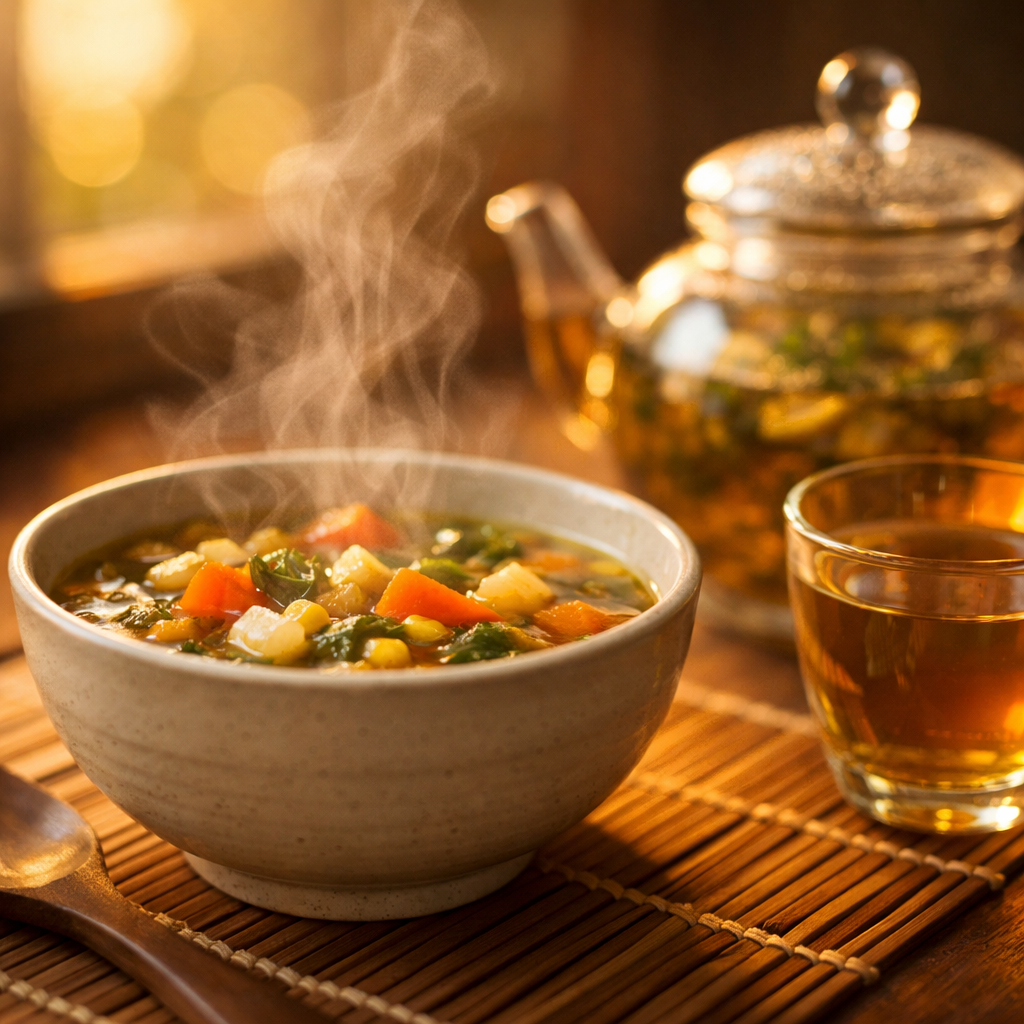
Supporting Digestive Harmony: Beyond Food Elimination
Understanding what to avoid provides valuable guidance, but truly supporting gut health requires positive actions that strengthen digestive capacity.
Favor warm, balanced meals built around cooked whole grains, steamed or sautéed vegetables, moderate amounts of properly prepared proteins, and warming spices like ginger, cinnamon, and cardamom. These foods support Spleen Qi while being easy to digest and transform into nourishment.
Eat in a relaxed state because stress directly compromises digestive function through Liver Qi stagnation. Take time to sit down for meals, chew thoroughly, and avoid eating while working, driving, or emotionally agitated. The ancient practice of mindful eating supports both Spleen and Liver harmony.
Adjust your diet based on personal constitution and symptoms. TCM recognizes that individual differences matter tremendously. Someone with a “Cold” constitution may tolerate raw foods better than someone with existing Spleen deficiency. Pay attention to how specific foods make you feel—bloating, energy levels, mood changes, and bowel patterns all provide valuable feedback about what your unique body needs.
Time your meals appropriately. TCM identifies specific organ clock rhythms, with Stomach Qi strongest between 7-9 AM and Spleen Qi strongest between 9-11 AM. Eating a substantial breakfast during these windows supports optimal digestion, while late-night eating strains an already weakening digestive fire.
The personalization principle matters immensely. What drains one person’s Spleen Qi might be perfectly tolerable for another based on constitution, climate, season, activity level, and current health status. This individualized approach represents a core strength of traditional Chinese medicine—recognizing that no single dietary prescription suits everyone.
Bridging Ancient Wisdom and Modern Innovation
The principles of traditional Chinese medicine offer profound insights into digestive health that remain remarkably relevant despite originating thousands of years ago. Yet accessing this wisdom traditionally required extensive study or consultation with experienced practitioners.
HerbalsZen bridges this gap through EastChi AI, combining 2,000 years of Eastern medical wisdom with cutting-edge artificial intelligence to deliver personalized nutrition guidance based on your unique body constitution. By analyzing your specific symptoms, tendencies, and health goals, EastChi AI creates customized recommendations that honor both ancient principles and modern nutritional science.
Rather than generic dietary advice, you receive guidance tailored to your personal patterns of Qi, your constitutional strengths and weaknesses, and your individual digestive capacity. This fusion of traditional wisdom and technological innovation makes authentic TCM principles accessible to modern individuals seeking natural approaches to optimal health.
Your gut health influences every aspect of your wellbeing—energy levels, mental clarity, immune function, emotional balance, and even longevity. By understanding which foods undermine digestive harmony and consciously choosing alternatives that support your body’s innate wisdom, you take a powerful step toward holistic wellness. The 7 worst foods for gut health according to TCM aren’t just items to avoid—they’re opportunities to make choices that honor your body’s needs and restore the digestive balance that serves as the foundation for vibrant health.