Have you ever noticed how some days you just feel off—bloated, tired, maybe a little anxious—and you can’t quite put your finger on why? You’re not alone. More and more women are discovering that the answer might lie in a place we rarely think about: our gut. The benefits of probiotics for women are becoming impossible to ignore, and what’s fascinating is how this cutting-edge science echoes principles that Eastern medicine has understood for thousands of years.
Think of your gut as the foundation of a house. When it’s strong and balanced, everything else stands firm. When it’s compromised, cracks start showing up everywhere—in your energy, your mood, your skin, even your immune system. This is where probiotics come in, those tiny beneficial bacteria that work tirelessly to keep your internal ecosystem thriving. But here’s where it gets really interesting: ancient Chinese medicine practitioners didn’t have microscopes or DNA sequencing, yet they understood that digestive harmony was the cornerstone of women’s vitality. They called it balancing yin energy. Today, we’re discovering they were remarkably on point.
Your Gut: The Control Center You Didn’t Know You Had
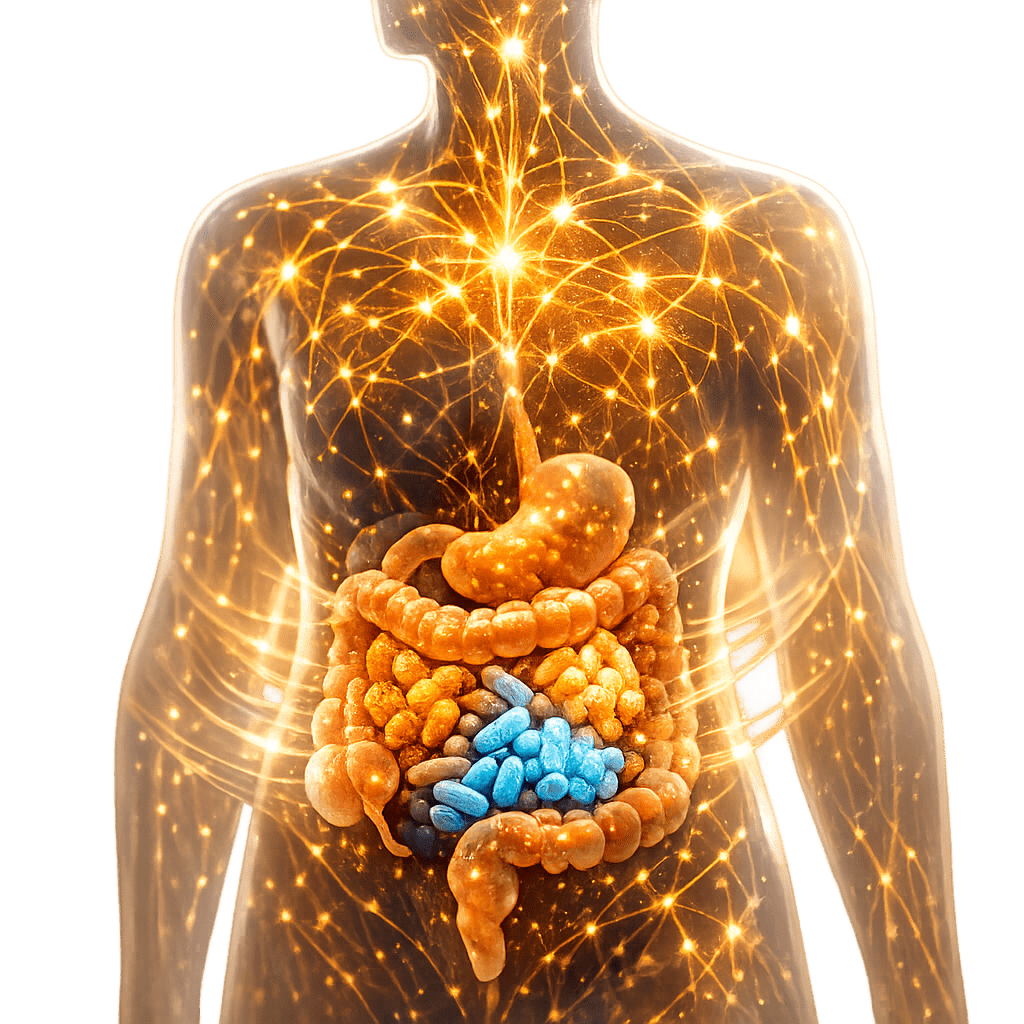
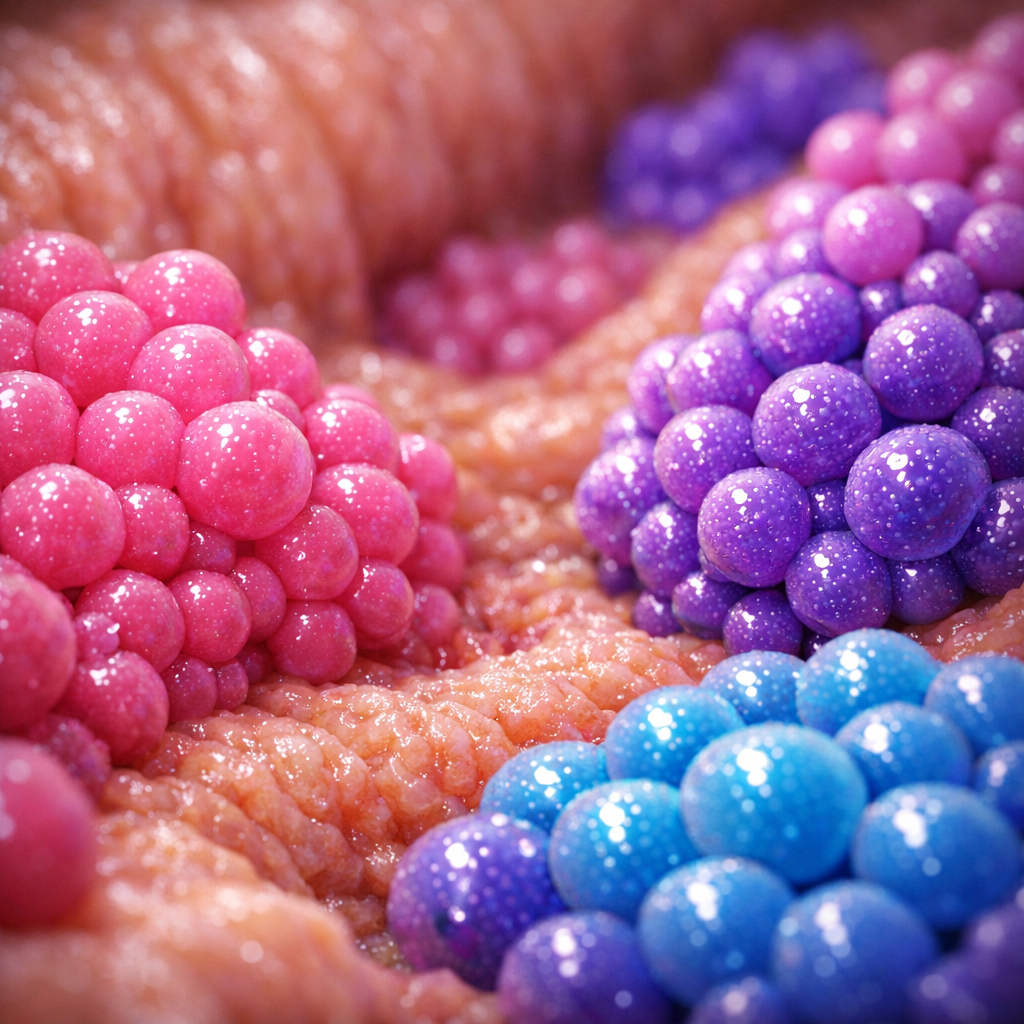
Let’s talk about your gut microbiome for a moment. Picture a bustling city inside you, home to trillions of microorganisms—bacteria, yeasts, and other tiny creatures—all working together in a delicate balance. This isn’t just about digestion, though that’s certainly part of it. Your gut microbiome is actually calling the shots on nutrient absorption, immune function, hormone production, and even your mental health.
For women specifically, the gut microbiome plays a unique and crucial role. There’s something called the gut-vaginal axis, a communication highway between your digestive system and your vaginal microbiome. When your gut bacteria are balanced, they help maintain healthy vaginal flora too. This is why the benefits of probiotics for women extend far beyond just digestive comfort—they’re intimately connected to preventing yeast infections, bacterial vaginosis, and urinary tract infections.
Sarah, a 34-year-old marketing executive, experienced this firsthand. After years of recurring yeast infections and constant digestive issues, she felt like she was stuck on a frustrating merry-go-round. “Every time I’d finish antibiotics for one problem, another would pop up within weeks,” she shared. When she started incorporating probiotics and focusing on gut health, something shifted. “It wasn’t overnight, but over a few months, I noticed I wasn’t dealing with those same recurring issues. My energy came back, and I just felt… lighter.“
Research supports what Sarah experienced. Studies show that specific probiotic strains can restore microbial balance, strengthen the gut barrier, and help regulate immune responses. When beneficial bacteria like Lactobacillus flourish in your gut, they create an environment that’s hostile to harmful pathogens, produce essential nutrients, and communicate with your immune cells to keep inflammation in check.
The Ancient Wisdom: Yin Energy and Digestive Harmony
Now, let’s travel back a couple thousand years. Traditional Chinese medicine practitioners observed that women with digestive imbalances often displayed specific patterns: night sweats, heat flushes, dizziness, low backache, constipation. They didn’t have the term “gut microbiome,” but they recognized something fundamental—when a woman’s digestive fire was out of balance, particularly when yin energy was depleted, her entire system suffered.
In TCM philosophy, yin represents the cooling, nourishing, fluid aspects of our body. It’s what keeps us grounded, hydrated, and calm. When yin is deficient, you might experience dryness (think dry skin, constipation, vaginal dryness), heat symptoms (night sweats, hot flashes), and that anxious, restless feeling that keeps you up at night. Sound familiar to anyone dealing with perimenopause or chronic stress?
Here’s the beautiful connection: the ancient understanding of maintaining digestive harmony and nourishing yin aligns remarkably well with modern probiotic science. TCM emphasized foods that nourish the gut and restore balance—fermented vegetables, bone broths, warming spices, and specific herbs that support digestion. These weren’t random choices; they were supporting the same beneficial bacteria we now know are crucial for gut health.
Traditional Chinese medicine also recognized that food is medicine. The concept of “food therapy” or dietary healing has been central to TCM for millennia. Practitioners would prescribe specific foods and herbs based on an individual’s constitution and imbalances. Today, we understand that many of these traditional foods—like fermented vegetables used in Chinese cuisine—are naturally rich in probiotics and prebiotics, the fiber that feeds good bacteria.
When you combine probiotics with TCM principles, you’re not just swallowing a supplement and hoping for the best. You’re creating a holistic approach that addresses your body’s unique constitution, supports your gut microbiome, and works with your body’s natural healing mechanisms rather than against them.
What the Science Says: More Than Just Gut Feelings
Let’s get specific about what modern research has uncovered about the benefits of probiotics for women. It’s not just one-size-fits-all; different strains of probiotics do different things, which is why personalization matters so much.
Take Lactobacillus strains, for example. Research shows that Lactobacillus rhamnosus GR-1 and Lactobacillus reuteri RC-14 specifically support vaginal and urinary tract health in women. These particular strains travel through your digestive system and can influence the vaginal microbiome, helping maintain the slightly acidic pH that keeps harmful bacteria at bay. A study published in 2024 found that women taking these probiotics experienced significantly fewer recurrent UTIs and yeast infections compared to those taking a placebo.
But it goes deeper. Probiotics produce short-chain fatty acids (SCFAs) when they ferment dietary fiber in your gut. These SCFAs—particularly butyrate, acetate, and propionate—are like fuel for your intestinal cells. They strengthen the gut barrier, reduce inflammation, and even influence your metabolism and mood. This is one reason why the benefits of probiotics for women often include improved energy levels and better emotional balance.
There’s also compelling evidence about probiotics and hormonal health. Women with polycystic ovary syndrome (PCOS), a hormonal disorder affecting millions, have shown improvement when adding specific probiotic strains to their treatment plan. Research from 2024 demonstrated that probiotics helped restore gut microbiota balance and alleviate PCOS-related symptoms, including irregular periods and insulin resistance.
The immune modulation aspect is particularly relevant for women dealing with autoimmune conditions, which affect women at significantly higher rates than men. Probiotics help “educate” your immune system, teaching it to distinguish between actual threats and harmless substances. This immune training happens largely in your gut, where about 70% of your immune cells reside.
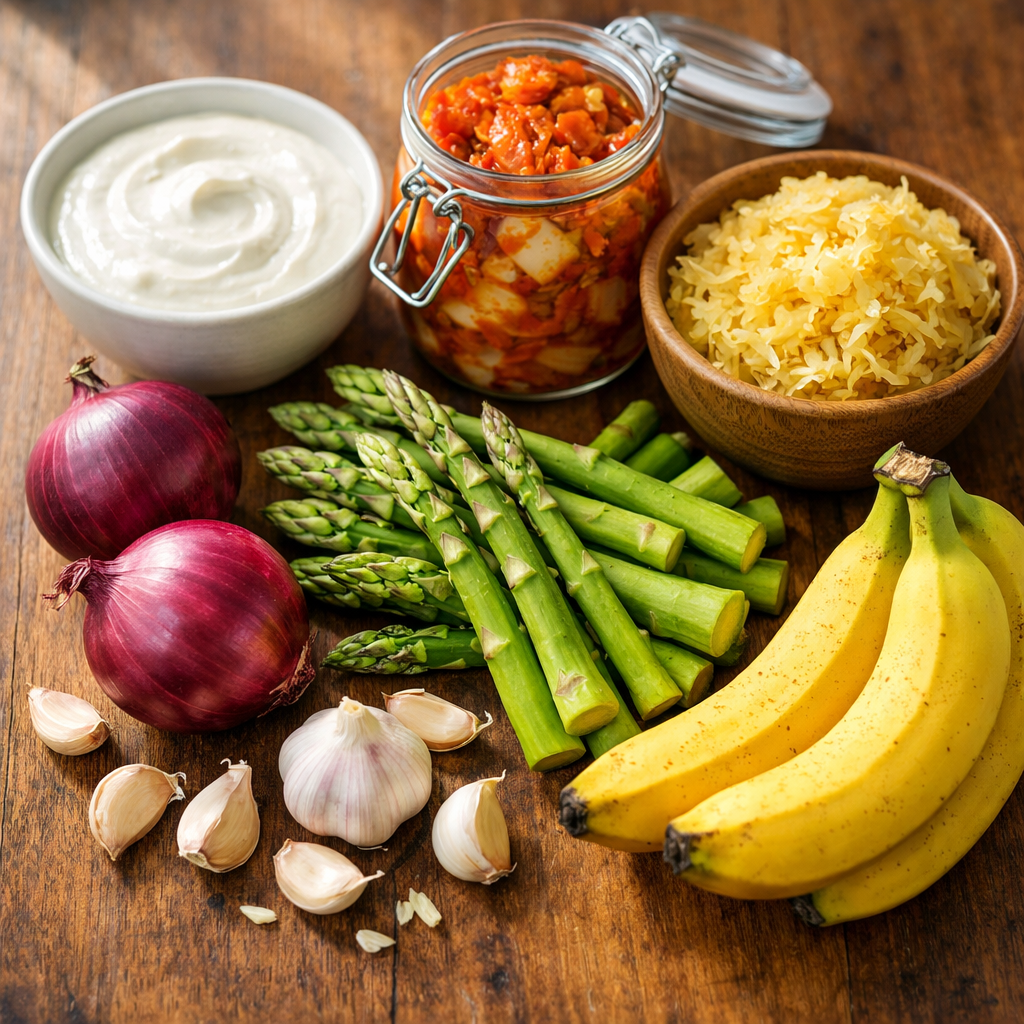
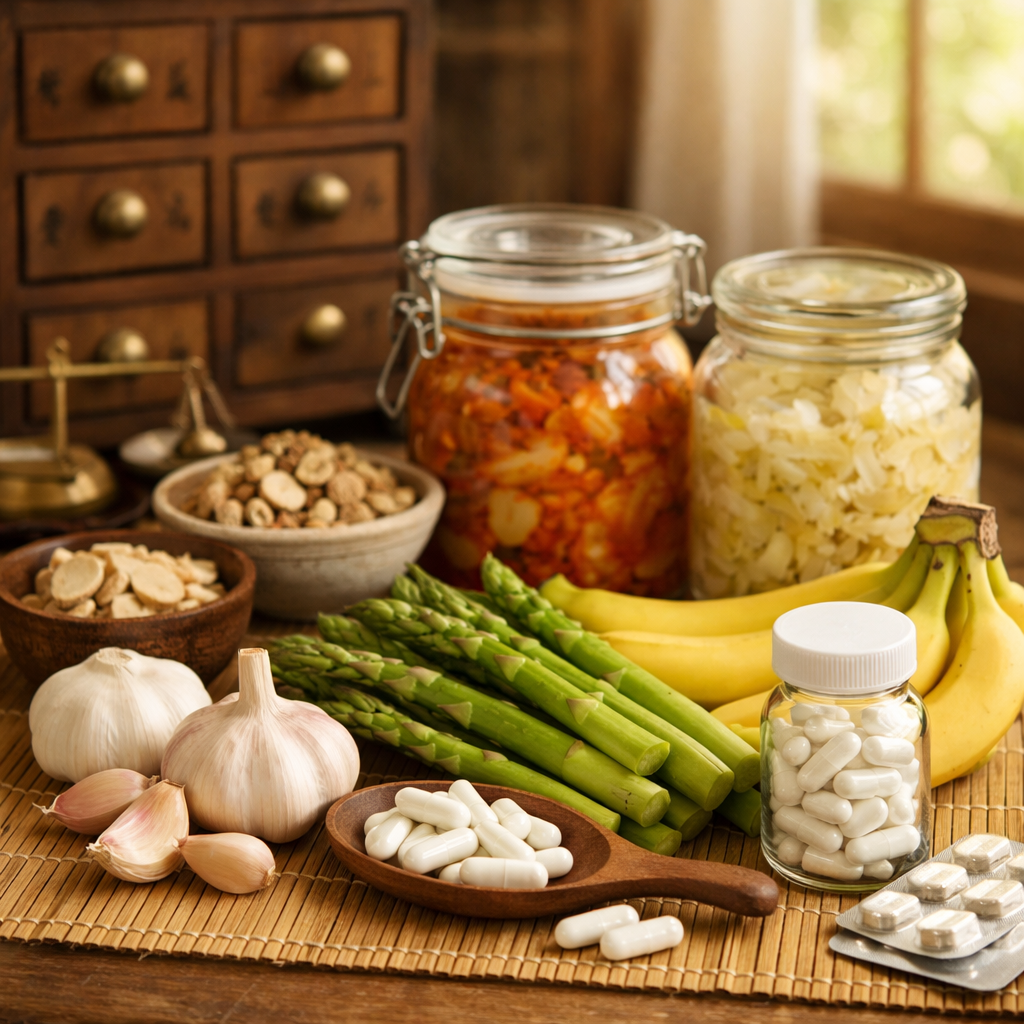
Here’s where prebiotics enter the picture. Think of probiotics as the beneficial bacteria and prebiotics as their food. You need both for optimal results. Foods rich in prebiotic fiber—like garlic, onions, asparagus, bananas, and whole grains—create the environment where your probiotic supplements (and native beneficial bacteria) can truly flourish. This synergy between prebiotics and probiotics is what maximizes the benefits you’ll experience.
Making It Work in Real Life: Your Practical Guide
So how do you actually incorporate probiotics into your daily routine in a way that makes sense? Let’s break it down into actionable steps.
Choosing the Right Strains: Not all probiotics are created equal. For women’s health specifically, look for products containing Lactobacillus strains (particularly L. rhamnosus, L. reuteri, and L. acidophilus) and Bifidobacterium strains. The research supports multi-strain formulas that contain at least 10-20 billion CFUs (colony-forming units) per serving.
Timing Matters: If you’re taking antibiotics, don’t skip probiotics—but do time them right. Take your probiotic at least two hours away from your antibiotic dose. This gives the beneficial bacteria a better chance of survival. And definitely continue probiotics for at least a month after finishing antibiotics to help rebuild your gut community.
Food Sources Count: While supplements are convenient, don’t underestimate fermented foods. Yogurt with live cultures, kefir, sauerkraut, kimchi, miso, and kombucha all provide beneficial bacteria. Traditional Chinese fermented foods like preserved vegetables (suan cai) contain naturally occurring probiotics that have supported gut health for generations.
Listen to Your Body: When you first start probiotics, you might experience some mild bloating or digestive changes. This is usually temporary as your gut adjusts. Start with a lower dose and gradually increase. If symptoms persist beyond a couple of weeks, consult with a healthcare professional.
Personalization is Key: This is where the HerbalsZen philosophy really shines. Your friend’s probiotic might not be your probiotic. Your body constitution, current health concerns, diet, and lifestyle all factor into what will work best for you. A personalized approach—one that considers both modern science and traditional wisdom—will always outperform generic recommendations.
Julia, a 42-year-old teacher, discovered this when she consulted with a wellness advisor who considered both her Western lab results and her Eastern medicine body constitution. “I was classified as having a yin deficiency with some digestive qi stagnation,” she explained. “Rather than just taking any probiotic, I was guided toward specific strains and dietary adjustments that addressed my particular imbalance. Within two months, my chronic constipation improved, my sleep got better, and I had energy I hadn’t felt in years.“
Safety and Effectiveness: For most healthy women, probiotics are remarkably safe. However, if you have a compromised immune system, are pregnant, or have serious underlying health conditions, always consult your healthcare provider first. The effectiveness of probiotics isn’t instant magic—think of it as tending a garden rather than flipping a switch. Consistent use over weeks and months, combined with a nourishing diet and lifestyle, yields the best results.
The Path Forward: Your Personalized Wellness Journey
At HerbalsZen, we believe that true wellness isn’t about following the latest trend or taking the newest supplement everyone’s talking about. It’s about understanding your unique body, honoring ancient wisdom while embracing modern technology, and creating a personalized pathway that respects both where you’ve been and where you’re going.
The benefits of probiotics for women are real and well-documented, but they’re most powerful when integrated into a holistic approach. This means considering your diet, sleep patterns, stress levels, exercise, and emotional wellbeing alongside which probiotic strains might serve you best. It means recognizing that your digestive health connects to your hormonal balance, immune function, mental clarity, and vital energy—just as Eastern medicine has understood for millennia.
When you nurture your gut microbiome with the right probiotics, feed it with prebiotic-rich foods, and support your body’s natural yin-yang balance through thoughtful lifestyle choices, you’re not just addressing symptoms. You’re creating an internal environment where health naturally flourishes.
This is the beauty of merging 2,000 years of traditional Chinese medicine wisdom with today’s microbiome science. We don’t have to choose between ancient and modern—we can honor both, drawing on the personalized, holistic insights of TCM while benefiting from the precision and evidence base of contemporary research.
Your gut is waiting to tell you something. Those subtle signals—the bloating, the fatigue, the recurring infections, the mood swings—they’re not random. They’re your body’s way of asking for balance, for nourishment, for the kind of personalized attention that recognizes you’re not just a set of symptoms but a unique individual with a unique path to wellness.
The journey toward optimal health doesn’t have to be overwhelming or confusing. With the right guidance, the right tools, and an approach that honors both timeless wisdom and modern innovation, you can unlock your body’s innate healing potential. The benefits of probiotics for women are just the beginning—a doorway into a deeper understanding of how to truly thrive.