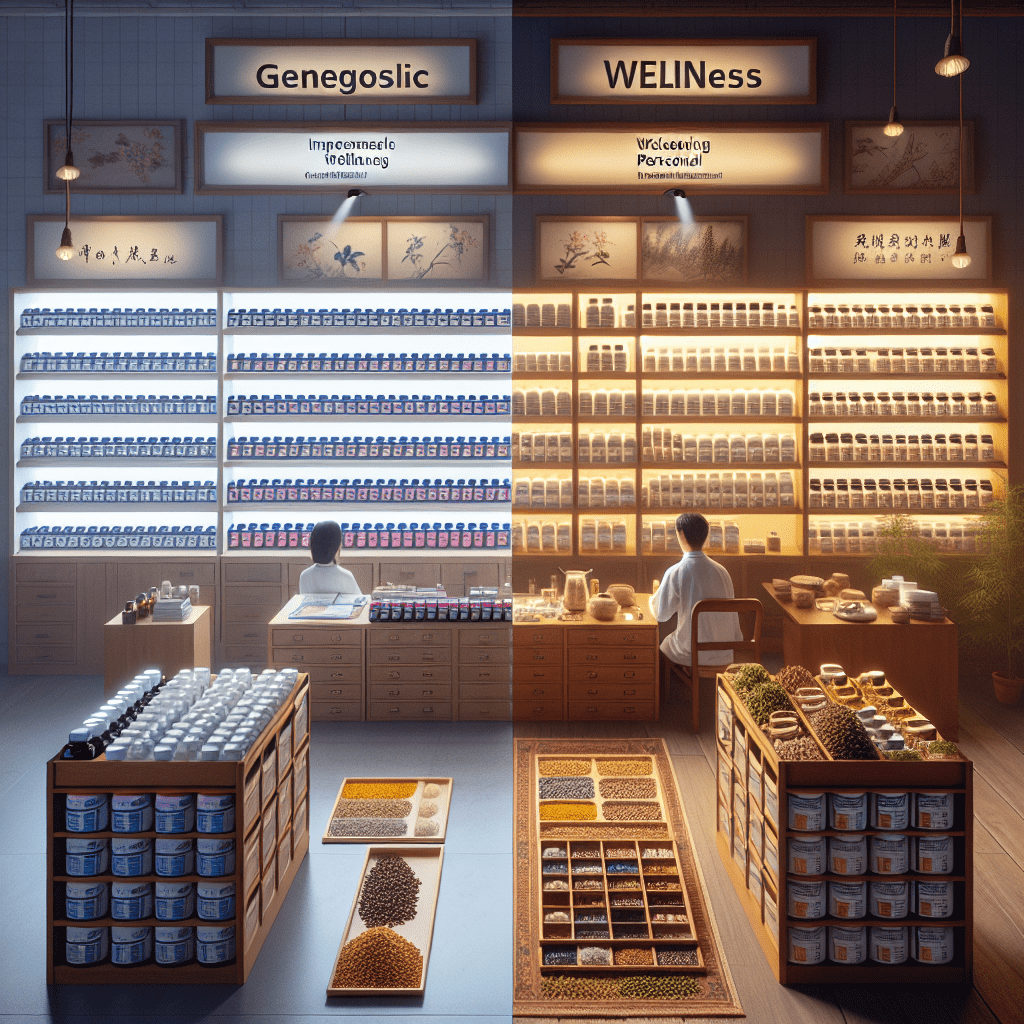
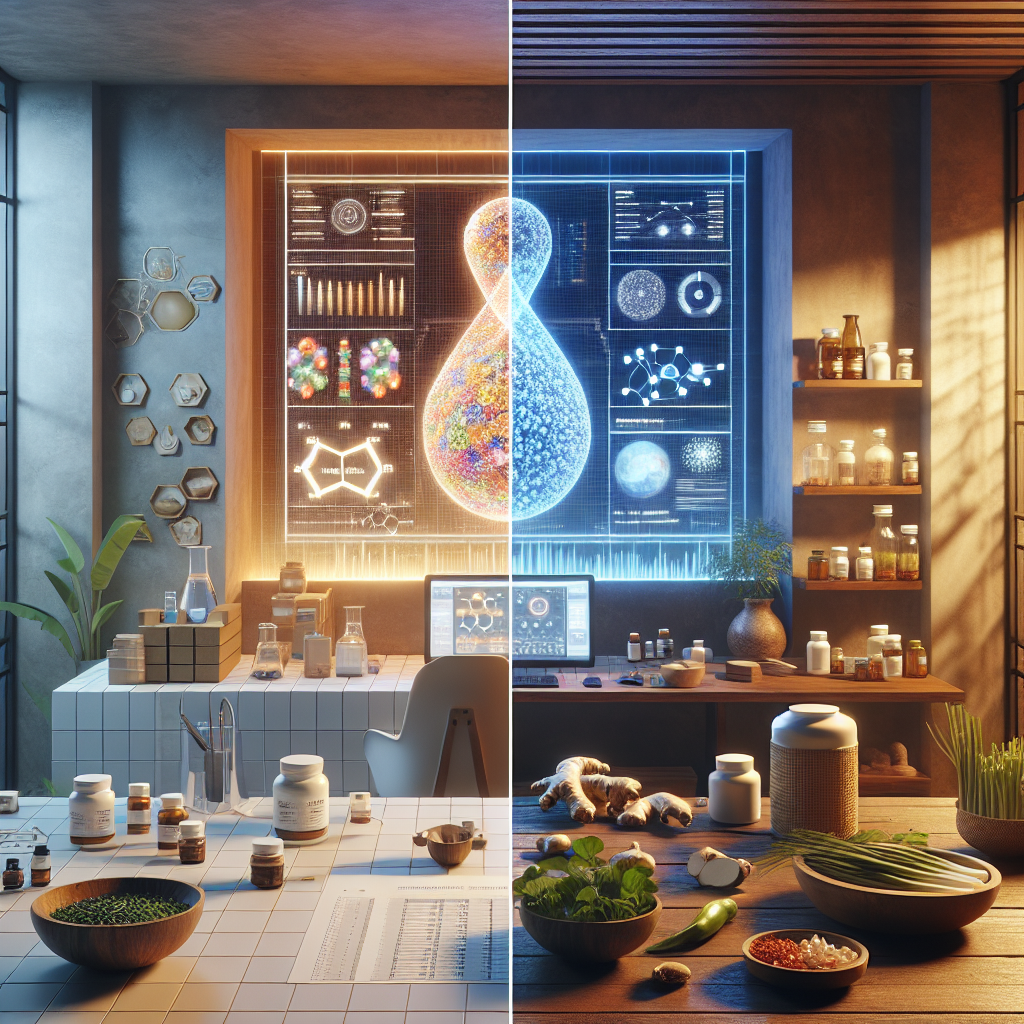
The wellness industry stands at a fascinating crossroads. On one side, we have companies like Bioniq, offering AI-powered personalized supplements that promise to address our nutritional gaps with scientific precision. On the other, we have millennia-old dietary wisdom from traditional Chinese medicine and other ancient practices that have sustained human health long before laboratories existed. This isn’t just a debate about pills versus produce—it’s a question that strikes at the heart of how we understand wellness itself.
The Rise of AI-Powered Personalization
Bioniq represents a bold new direction in nutritional supplementation. Unlike the one-size-fits-all multivitamins lining pharmacy shelves, Bioniq supplements use artificial intelligence to create formulas tailored specifically to individual users. Their proprietary algorithm analyzes personal data—height, weight, age, lifestyle habits, and health goals—to identify potential micronutrient imbalances and create customized supplement regimens.
The Bioniq PRO system takes personalization even further by incorporating blood biomarker data. Users submit blood test results, and the AI algorithm processes this information alongside self-reported health metrics to craft formulas that target specific deficiencies. The company’s approach addresses real concerns: modern agricultural practices have depleted soil nutrients, processed foods dominate our diets, and busy lifestyles make optimal nutrition challenging. For someone struggling with chronic fatigue or digestive issues, the promise of a scientifically calibrated solution sounds appealing.
The technology behind bioniq supplements review data shows impressive precision according to FDA guidelines. The platform evaluates dozens of variables simultaneously, something no human nutritionist could match in speed. Each formula is packaged in convenient daily sachets, making compliance easy for people juggling demanding schedules. The ingredients themselves are high-quality, sourced from reputable suppliers, and the dosages are calculated to address individual needs without risking toxicity.
Yet this technological approach raises fundamental questions. Can algorithms truly understand the complex interplay of nutrients in our bodies? Do isolated micronutrients in pill form deliver the same benefits as nutrients from whole foods? And perhaps most importantly, are we solving the right problem?
The Timeless Wisdom of Traditional Approaches
For over two thousand years, traditional Chinese medicine has approached nutrition not as a matter of isolated nutrients, but as a holistic practice deeply connected to overall wellness. This ancient wisdom doesn’t recognize vitamin C or omega-3 fatty acids as discrete entities. Instead, it sees food as medicine, each ingredient carrying specific thermal properties, flavors, and affinities for particular organ systems.
The foundation of traditional dietary practices rests on several core principles. First, balance—not just in the Western sense of macronutrients, but in the Eastern understanding of Yin and Yang, the complementary forces that govern all natural processes. Foods aren’t simply “healthy” or “unhealthy.” A nourishing food for one person might create imbalance in another, depending on their constitutional type.
Traditional Chinese medicine recognizes different body constitutions—some people run hot, others cold; some have excess dampness, others suffer from dryness. A person with a Yang constitution might benefit from cooling foods like cucumber and watermelon, while someone with deficient Yang needs warming spices and cooked vegetables. This personalization existed long before algorithms, based instead on careful observation and accumulated wisdom passed through generations.
The concept of ““medicine and food homology”” in TCM acknowledges that many ingredients serve dual purposes as both nourishment and healing agents. Ginger warms the digestive system and dispels cold. Goji berries nourish blood and support vision. These aren’t marketing claims but observations refined over centuries of use. The emphasis falls on prevention rather than intervention, using daily dietary choices to maintain harmony before illness manifests.
Traditional approaches also honor seasonal eating. Winter calls for hearty, warming foods that build reserves. Summer invites lighter, cooling ingredients that prevent heat accumulation. This cyclical wisdom acknowledges our connection to natural rhythms, something completely absent from supplement bottles.
Perhaps most significantly, ancient nutritional practices understood the synergistic nature of whole foods. A carrot isn’t just beta-carotene and fiber—it contains hundreds of phytonutrients working together in ways science is only beginning to understand. Traditional wisdom grasped intuitively what modern research now confirms: the whole exceeds the sum of its parts.
When Ancient Meets Modern: A Critical Comparison
The comparison between Bioniq’s high-tech approach and traditional dietary wisdom reveals both promise and limitations. Dr. Michael Chen, an integrative medicine physician who studied traditional Chinese medicine in Beijing, offers a nuanced perspective: “Supplements can address acute deficiencies effectively. If someone’s bloodwork shows critically low vitamin D, supplementation makes sense. But supplements can’t replicate the complexity of whole foods or address the root causes of why deficiencies exist in the first place.“
Sarah Martinez, a 38-year-old marketing executive, tried Bioniq PRO after struggling with persistent fatigue. “The initial blood tests revealed I was deficient in several B vitamins and magnesium,” she recalls. “Within six weeks of taking my personalized formula, I noticed improved energy levels. The convenience was unbeatable—no thinking required, just take the daily packet.” However, she also notes, ““I realized I still felt something was missing. My energy improved, but I didn’t feel truly vibrant.” It wasn’t until I started working with a nutritionist who helped me overhaul my actual diet that I experienced deeper wellness.”
This testimonial highlights a crucial distinction. Supplements can correct deficiencies, but they don’t teach us how to nourish ourselves. Traditional approaches require engagement—shopping for ingredients, preparing meals, paying attention to how different foods make us feel. This mindfulness creates a relationship with food that no pill can replace.
From a practical standpoint, Bioniq supplements offer undeniable advantages for certain populations. People with absorption issues, those living in areas with limited food variety, or individuals with specific medical conditions may genuinely benefit from targeted supplementation. The AI-driven personalization represents a significant improvement over generic multivitamins, reducing the risk of imbalanced dosing.
Yet experts in traditional medicine point out what’s lost. “In Chinese medicine, we don’t just treat symptoms or deficiencies,” explains Dr. Lin Wei, a TCM practitioner with thirty years of experience. “We look at the whole pattern. Why is this person deficient? Is it poor digestion? Chronic stress depleting reserves? Until we address the root cause, we’re just managing symptoms.“
The modern obsession with optimization—tracking biomarkers, quantifying nutrients, measuring outcomes—can create what some call ““wellness anxiety”.” We become so focused on numbers that we lose touch with our bodies’ wisdom. Traditional approaches emphasize tuning into subtle signals: How do we feel after eating certain foods? What does our tongue appearance reveal? What does our energy pattern throughout the day tell us?
Research increasingly validates traditional dietary patterns. Studies show that traditional Chinese diets rich in vegetables, soy, and whole grains reduce diabetes risk by 17%. The Mediterranean diet, another ancient eating pattern, consistently demonstrates benefits that isolated supplements cannot replicate. The synergy of nutrients in whole foods, combined with beneficial plant compounds, creates effects greater than any supplement formula.
HerbalsZen’s Bridge Between Worlds
At HerbalsZen, we’ve wrestled with these very questions. Our conclusion: both approaches hold value, but neither alone provides the complete answer. This is why we’ve developed EastChi AI—a platform that honors ancient wisdom while embracing modern innovation.
We believe technology should enhance, not replace, traditional knowledge. EastChi AI uses artificial intelligence not to reduce wellness to isolated nutrients, but to make personalized traditional wisdom accessible to modern individuals. Our algorithm evaluates your unique body constitution according to Five Elements theory and Yin-Yang principles, then provides tailored dietary recommendations based on whole foods, not pills.
This approach respects the complexity that traditional Chinese medicine recognized centuries ago. We don’t ask, “What nutrients are you deficient in?” We ask, “‘What is your body’s current state of balance, and what foods will support your return to harmony?’” The difference is profound.
Our philosophy acknowledges that true personalization requires understanding constitutional types, seasonal influences, and the thermal properties of foods. The AI component helps people identify their constitution through detailed assessments, something that traditionally required years of training to recognize. Once identified, the recommendations draw from two thousand years of accumulated wisdom about which foods support which constitutional patterns.
We also recognize that modern life creates challenges our ancestors never faced. Chronic stress, environmental toxins, processed foods, and sedentary lifestyles all impact our wellness in unprecedented ways. EastChi AI adapts traditional principles to address modern concerns, offering practical guidance for people navigating contemporary life.
The goal isn’t to reject supplementation entirely. Sometimes supplements serve as bridges during periods of particular need. But we believe the foundation of wellness must be built on nourishing whole foods, mindful eating practices, and lifestyle habits that support natural balance. Technology’s role should be helping people access and apply traditional wisdom, not bypassing it with reductionist solutions.
This integrative approach addresses what both Sarah and Dr. Chen identified: the need for something deeper than symptom management. When people engage with their food choices consciously, understanding how different ingredients affect their unique constitution, they develop agency over their wellness journey. This empowerment transforms health from something we outsource to experts into something we cultivate daily through informed choices.
Finding the Path Forward
So can AI-powered pills replace two thousand years of food wisdom? The answer emerges clearly from this exploration: they cannot, nor should they try. But this doesn’t mean the two approaches must remain adversaries.
The future of wellness likely lies in thoughtful integration. Blood biomarker testing and AI analysis can identify issues our ancestors couldn’t detect. This information becomes most valuable when used to guide whole-food dietary choices rather than simply determining supplement dosages. If testing reveals low iron, the question becomes not just “What supplement do I need?” but “‘What iron-rich whole foods should I emphasize, and what dietary patterns might be impairing my absorption?’“
Traditional wisdom offers what technology cannot: a holistic framework that views health as dynamic balance rather than static optimization. It teaches us to read our bodies’ signals, honor natural rhythms, and understand the interconnectedness of physical symptoms and emotional wellbeing. These insights remain as relevant today as they were two millennia ago.
For individuals seeking optimal wellness, the path forward involves discernment. Bioniq supplements and similar products can serve specific purposes—addressing acute deficiencies, supporting health during periods of particular stress, or filling gaps when whole food sources aren’t available. But they work best as tactical tools within a larger strategy built on traditional principles.
This means prioritizing whole foods over processed ones, eating seasonally when possible, and learning to recognize your unique constitutional needs. It means understanding that chronic fatigue might stem from digestive weakness requiring warming, easily digestible foods rather than simply iron supplementation. It means seeing your daily food choices as the primary medicine, with supplements playing supporting roles when genuinely needed.
The debate between ancient wisdom and modern technology ultimately presents a false choice. The real question isn’t which approach to choose, but how to thoughtfully combine them. At HerbalsZen, we believe the answer lies in using technology to make ancient wisdom more accessible, not to replace it. AI can help us understand our constitutions, identify patterns, and navigate the complexity of traditional dietary therapy. But the wisdom itself—refined through centuries of observation and practice—remains the foundation.
As we move forward in an increasingly complex health landscape, we need both the precision of modern science and the holistic understanding of traditional medicine. We need technology that serves wisdom rather than supplanting it. Most importantly, we need to remember that true wellness isn’t found in a pill, no matter how personalized. It’s cultivated through daily choices, mindful practices, and a relationship with food that honors both ancient knowledge and individual needs.
The supplements in your cabinet and the vegetables in your kitchen aren’t enemies—they’re potential partners in your wellness journey. The key is understanding which role each should play and building a foundation that will support your health not just today, but for decades to come.