When Sarah came to me complaining of persistent digestive discomfort and recurring yeast infections, she asked the question I hear almost weekly: “Should I be taking a probiotic every day?” Her doctor had mentioned probiotics after her last round of antibiotics, but she wasn’t sure if daily supplementation made sense for her unique body.
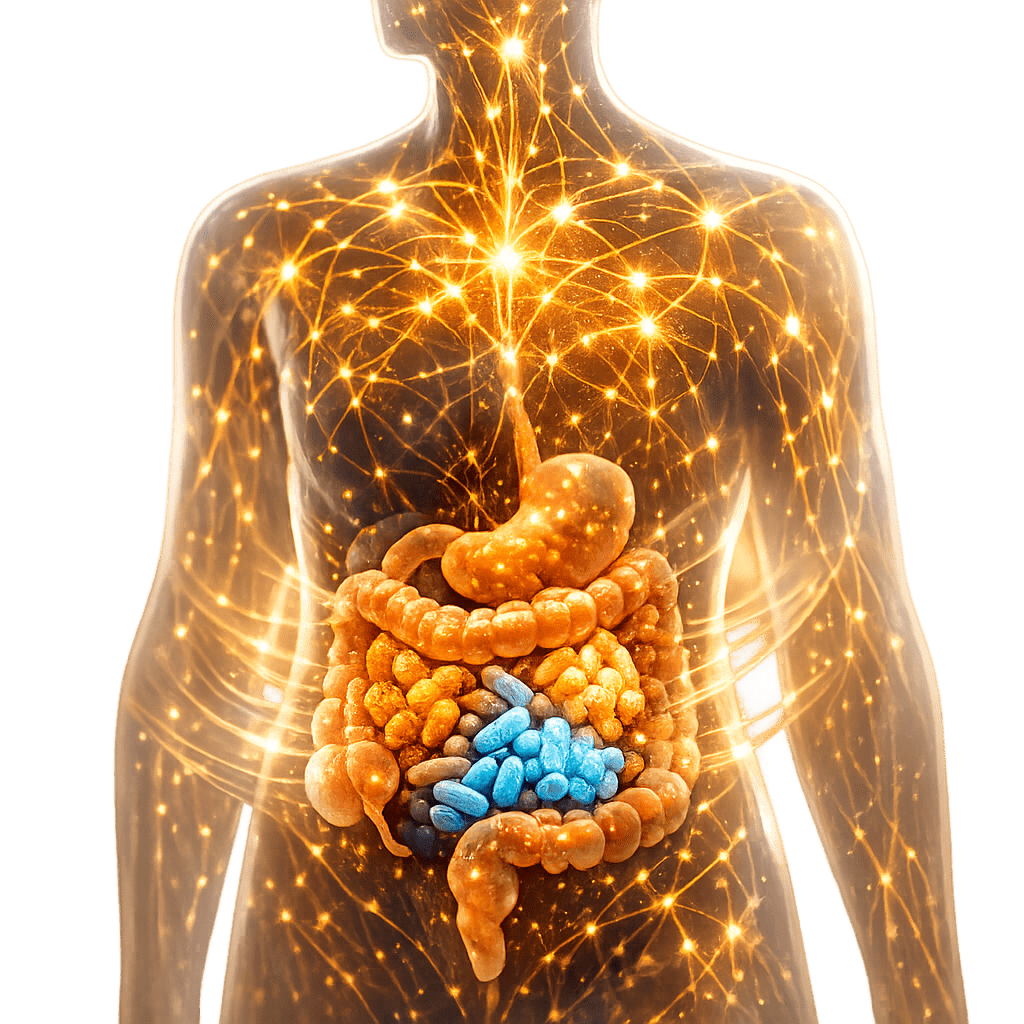
This question touches on something deeply important in both modern wellness and ancient Eastern medicine traditions—the concept of balance. In traditional Chinese medicine, we’ve understood for over 2,000 years that the gut is the foundation of health, referring to it as the “root of post-natal Qi.” Today, modern science confirms what Eastern wisdom has long known: the trillions of microorganisms living in your digestive system influence everything from your immune response to your emotional wellbeing.
Understanding Probiotics and the Gut Microbiome
Probiotics are specific living microorganisms—most often beneficial bacteria or yeast—that help your body digest food, absorb nutrients, and maintain harmony within your internal ecosystem. When consumed orally, these microorganisms exert their effects in the gastrointestinal tract, where they can influence the composition and activity of your intestinal microbiota.
For women specifically, probiotics offer unique benefits that extend beyond general digestive health. Your gut microbiome doesn’t exist in isolation—it communicates with other microbial communities in your body, particularly the vaginal microbiome. This interconnected system plays a crucial role in maintaining vaginal pH balance, preventing urinary tract infections, and supporting overall reproductive wellness.
The gut-vaginal axis represents a perfect example of what Eastern medicine calls the “interconnectedness of all bodily systems.” When one area falls out of balance, others inevitably follow. Research shows that probiotics can potentially improve gut health, maximize metabolic health, support vaginal health, boost mental health, and enhance immune health—all areas that traditional Chinese medicine has long recognized as intimately connected.
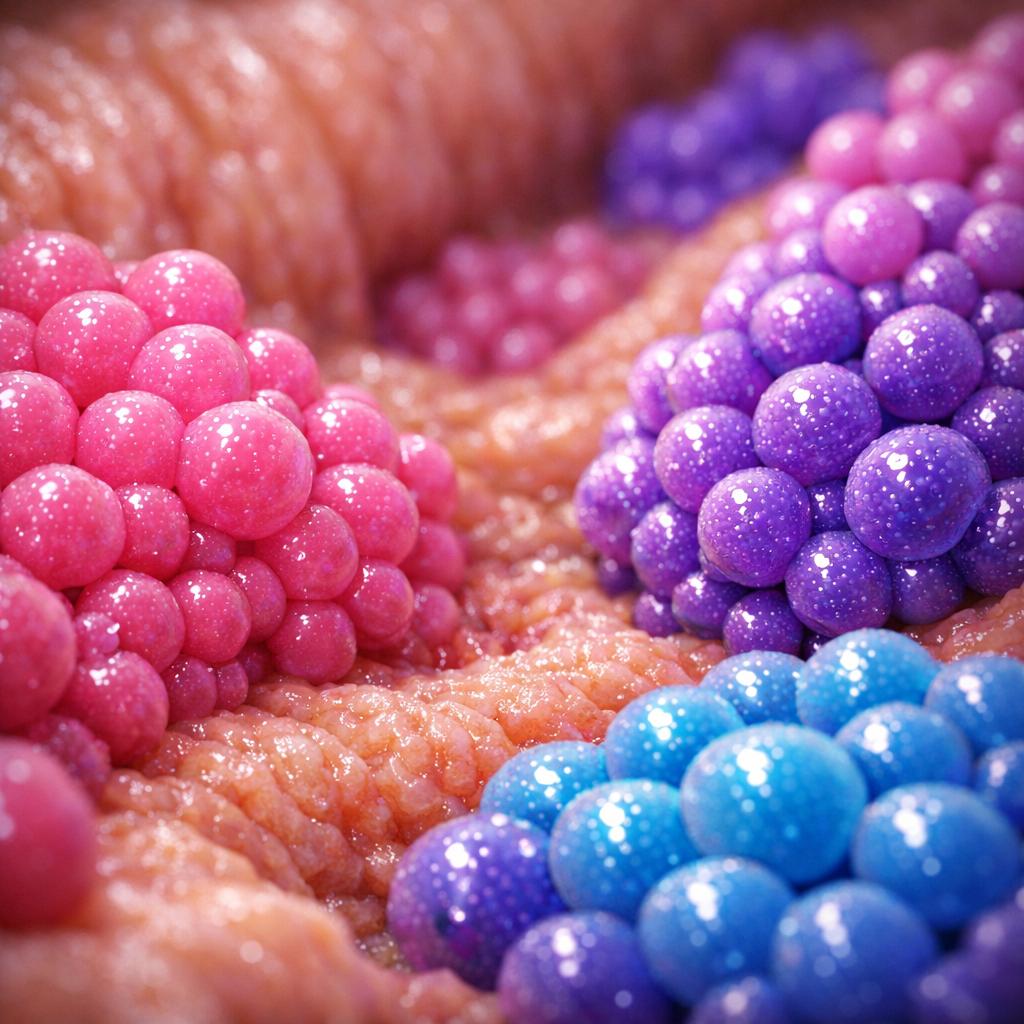
Think of your microbiome as an internal garden. Just as a healthy garden requires diverse plant species working together in harmony, your gut thrives when populated with a variety of beneficial bacteria. These microorganisms help crowd out harmful bacteria, reduce inflammation, boost immunity, and produce neurotransmitters that influence your mood and cognitive function. They even create enzymes that aid in breaking down food and extracting vital nutrients your body needs to flourish.

When Should a Woman Consider Daily Probiotics?
The decision to take a probiotic daily isn’t one-size-fits-all—it requires understanding your individual body constitution and current health circumstances. This personalized approach aligns perfectly with Eastern medicine’s emphasis on treating the individual, not just the symptoms.
After Antibiotic Use
Antibiotics serve an important purpose in fighting bacterial infections, but they don’t discriminate between harmful and beneficial bacteria. When you take antibiotics, you’re essentially clearing the garden—both weeds and flowers alike. This disruption can leave your gut microbiome depleted and vulnerable to imbalance.
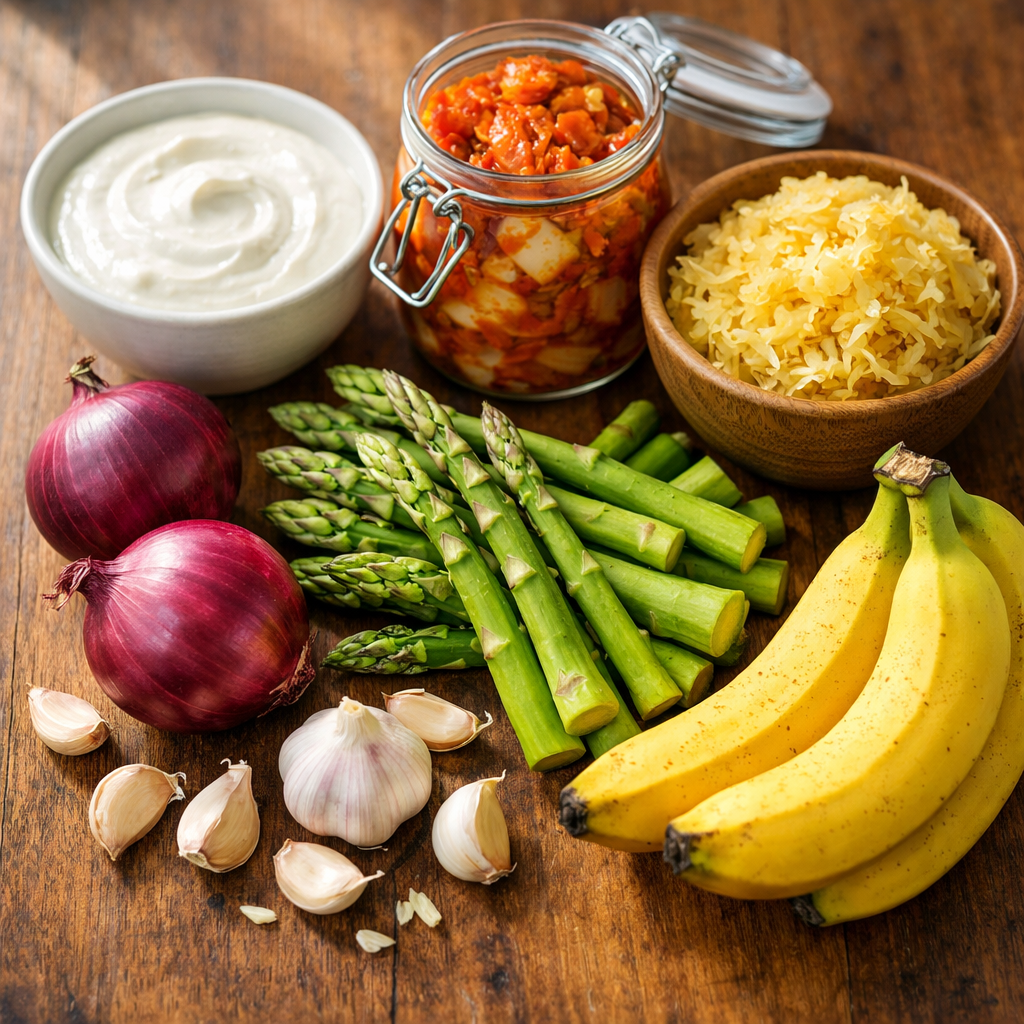
In traditional Chinese medicine, we view antibiotics as a strong intervention that can damage the Spleen and Stomach Qi—the energetic systems responsible for digestion and nutrient transformation. After antibiotic treatment, incorporating probiotics can help rebuild the healthy bacterial population. Choose a variety of fermented foods like kimchi, sauerkraut, miso, or yogurt to support this recovery process naturally.
Digestive Concerns
If you experience ongoing digestive issues—bloating, irregular bowel movements, food sensitivities, or abdominal discomfort—specific probiotic strains may offer targeted support. Bifidobacterium bifidum, for instance, has been demonstrated to help with irritable bowel syndrome symptoms, support immune health, and suppress pathogenic bacteria like H. pylori.
Eastern medicine recognizes these digestive complaints as signs of “Spleen Qi deficiency” or “dampness” in the digestive system. Probiotics work synergistically with dietary changes to address the root cause of imbalance, not merely mask symptoms.
Recurrent Vaginal or Urinary Tract Infections
Women who experience frequent yeast infections or urinary tract infections may benefit from probiotics containing specific strains like Lactobacillus reuteri. These beneficial bacteria help maintain the slightly acidic pH of the vaginal environment, creating conditions where harmful microorganisms struggle to thrive.
Vaginal probiotics work by seeding the vagina with “good” microbes that keep pH and odor in check while supporting the health of both the vaginal and urinary tract. This mirrors the Eastern medicine principle of creating harmony through balance—when beneficial forces are strong, pathogenic influences have less opportunity to take hold.
Immune Support and Energy Enhancement
Nearly 70% of your immune system resides in your gut. If you find yourself frequently catching colds, experiencing low energy, or struggling with chronic inflammation, your gut microbiome may need support. Probiotics enhance the absorption of critical nutrients by improving gut health, reducing inflammation, and supporting the production of immune-regulating compounds.
In traditional Chinese medicine terminology, this represents strengthening your “Wei Qi“—the defensive energy that protects you from external pathogens. A balanced gut microbiome serves as your first line of defense, much like a well-maintained castle wall.
The Eastern Medicine Perspective on Gut Balance
Traditional Chinese medicine has always recognized that food is medicine and that fermented foods play a vital role in maintaining digestive harmony. Long before modern science identified probiotics, Eastern cultures incorporated fermented vegetables, fermented rice, and cultured dairy products into daily diets to support what we now call the microbiome.
Fermentation naturally produces probiotics—beneficial bacteria that help maintain a healthy balance in the gut. This process also preserves nutrients while making them more bioavailable, allowing your body to extract maximum nutritional value from foods. The wisdom of fermentation represents a perfect marriage of preservation, nutrition, and gut health support.
In Chinese medicine, digestive health depends on the proper functioning of the Spleen and Stomach systems. The Spleen transforms food into Qi (vital energy) and Blood, while the Stomach receives and processes what you consume. When these systems operate in harmony, nutrients are efficiently absorbed and waste is properly eliminated. Probiotics support this natural transformative process by optimizing the bacterial environment where digestion occurs.
Recent research has established a correlation between the gut microbiota and various physiological systems throughout the body, confirming what Eastern medicine practitioners have observed for millennia. Studies show that both probiotics and certain traditional Chinese herbal formulas benefit the intestinal microbiota and intestinal barrier, demonstrating synergistic effects on gut health when used together.
The concept of balance—Yin and Yang—applies directly to your microbiome. Too many of certain bacteria creates excess (Yang), while too few beneficial microorganisms creates deficiency (Yin). True wellness emerges from the dynamic equilibrium between these forces. Probiotics and prebiotics (the fiber that feeds beneficial bacteria) work together to maintain this delicate balance, much like the interplay of Yin and Yang energies throughout your body’s systems.
At HerbalsZen, we embrace this holistic understanding, using our EastChi AI technology to analyze individual body constitutions and provide personalized recommendations that honor both ancient wisdom and modern scientific evidence. We recognize that what works for one woman’s unique constitution may differ from what another needs—true wellness requires customization, not generic solutions.
Choosing and Using Probiotics Effectively
Navigating the probiotic marketplace can feel overwhelming, with countless products promising various benefits. Here’s how to approach selection and usage from a personalized, informed perspective:
Selecting the Right Strains
Not all probiotics are created equal. Different bacterial strains offer different benefits, so matching the probiotic to your specific needs matters tremendously. Look for products that clearly identify the genus, species, and strain of bacteria included. For general gut health, Lactobacillus and Bifidobacterium species are well-researched options. For vaginal and urinary tract health, HOWARU® Lactobacillus and similar clinically studied strains have demonstrated effectiveness.
If you’re addressing specific concerns like IBS, immune support, or metabolic health, research which strains have clinical evidence supporting those particular applications. This targeted approach reflects the Eastern medicine principle of addressing the root cause rather than applying generic remedies.
Understanding Labels and Quality
Quality matters immensely with probiotic supplements. Look for products that guarantee the number of live organisms (measured in CFUs, or colony-forming units) through the expiration date, not just at the time of manufacture. Proper storage matters too—many probiotics require refrigeration to maintain potency.
Consider the delivery mechanism as well. Some probiotics include delayed-release capsules designed to protect bacteria from stomach acid until they reach the intestines, where they can colonize and flourish. This represents modern innovation supporting ancient intentions—ensuring beneficial organisms reach their destination intact.
Food Sources vs. Supplements
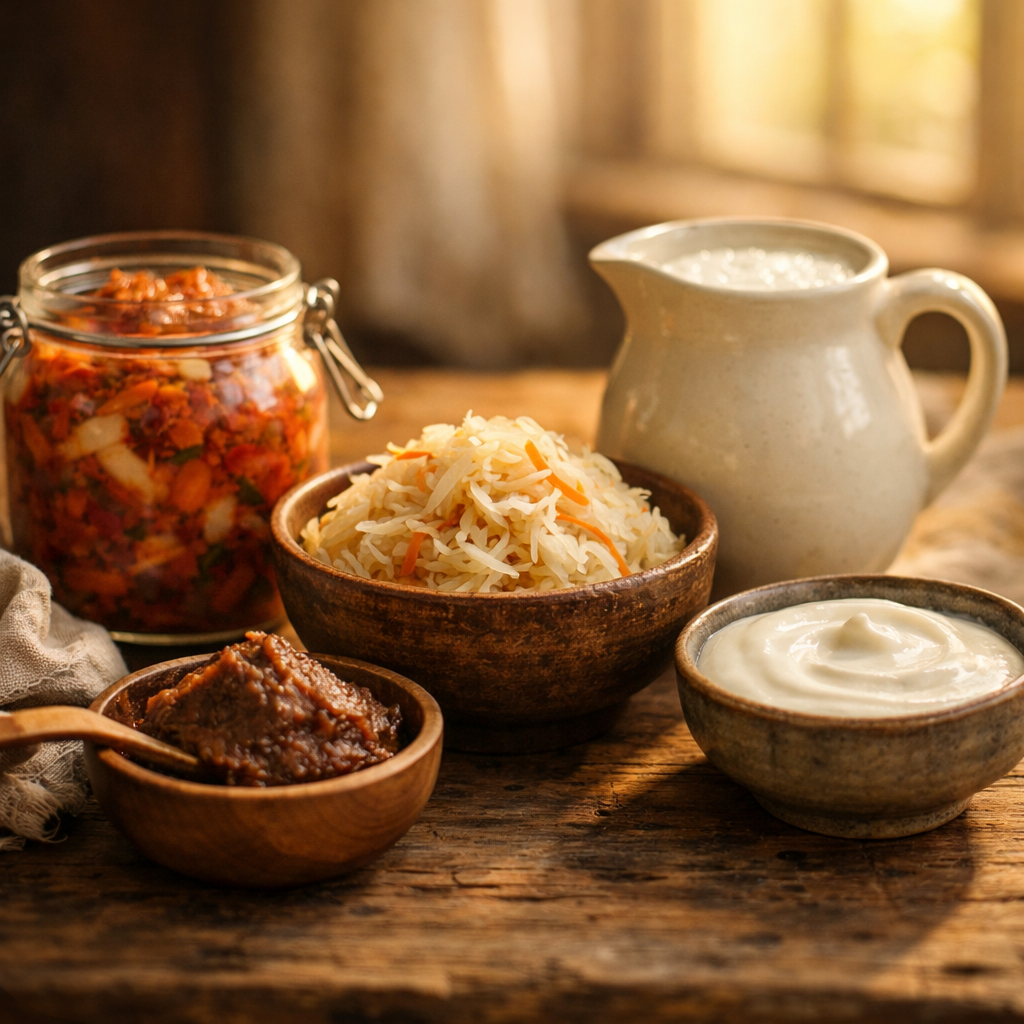
While supplements offer convenience and concentrated doses of specific strains, don’t overlook traditional food sources of probiotics. Fermented vegetables like kimchi and sauerkraut, cultured dairy products like yogurt and kefir, miso, and other fermented foods provide probiotics alongside valuable nutrients, fiber, and plant compounds.
In Eastern nutrition philosophy, whole foods remain superior to isolated supplements because they provide synergistic benefits—the nutrients work together in ways we’re still discovering. An ideal approach incorporates both probiotic-rich foods as dietary staples and targeted supplementation when specific concerns warrant additional support.
The story of kefir, originating in the Caucasus region, illustrates this beautifully. This fermented milk drink was considered sacred, believed to be a gift with healing properties long before we understood the science of probiotics. Traditional wisdom recognized the health benefits that modern research now validates.
Timing and Consistency
For optimal results, take probiotics consistently at the same time each day, preferably with food to help buffer stomach acid. Some strains perform better when taken with meals, while others may be more effective on an empty stomach—follow the manufacturer’s recommendations for the specific product you choose.
Remember that establishing a healthy microbiome takes time. You’re cultivating an internal ecosystem, which requires patience and consistency. Most people notice improvements within 2-4 weeks, but significant changes to your microbiome composition may take several months of sustained use.
Safety Considerations and Professional Guidance
For most healthy women, probiotics are safe and well-tolerated. However, certain situations warrant caution and professional consultation:
- If you have a compromised immune system or serious underlying health conditions, discuss probiotic use with your healthcare provider first
- If you’re pregnant or breastfeeding, seek guidance on appropriate strains and dosages
- If you experience unusual symptoms after starting probiotics, discontinue use and consult a healthcare professional
- If symptoms persist despite probiotic use, work with a practitioner to investigate underlying causes
This personalized approach—assessing individual circumstances rather than applying blanket recommendations—embodies the core philosophy of traditional Chinese medicine. At HerbalsZen, our EastChi AI platform helps identify your unique body constitution and provides tailored wellness recommendations that consider your complete health picture, not just isolated symptoms.
Your Path to Gut Balance and Holistic Wellness
So, should a woman take a probiotic daily? The answer depends on your individual health status, goals, and body constitution. For many women, daily probiotics offer valuable support—particularly during and after antibiotic use, when addressing digestive concerns, or when supporting immune and vaginal health. For others, a varied diet rich in fermented foods and prebiotic fiber may provide sufficient microbial support without supplementation.
Practical Takeaways:
First, consult with healthcare professionals who understand both conventional medicine and Eastern wellness traditions. They can help you determine whether daily probiotics align with your unique needs and health goals. Consider working with practitioners who take a holistic view of your wellbeing, examining not just symptoms but the underlying patterns of imbalance.
Second, prioritize dietary diversity. Incorporate a wide variety of fiber-rich vegetables, fruits, whole grains, and fermented foods into your meals. These foods feed beneficial bacteria and provide the raw materials your microbiome needs to flourish. Traditional fermented foods like kimchi, sauerkraut, miso, and naturally fermented pickles offer both probiotics and the prebiotic fiber that sustains them.
Third, monitor your own wellbeing as part of a comprehensive wellness strategy. Notice how your digestion responds to dietary changes and probiotic supplementation. Track your energy levels, mood, immune resilience, and any specific concerns you’re addressing. Your body provides constant feedback—learning to listen to these signals represents an essential skill in Eastern medicine practice.
Fourth, recognize that gut health exists within a larger context of lifestyle factors. Stress management, adequate sleep, regular movement, and emotional wellbeing all influence your microbiome. True wellness emerges from addressing the whole person, not just isolated systems—the foundation of both traditional Chinese medicine and modern integrative health approaches.
Finally, be patient with the process of restoring balance. Whether through probiotics, fermented foods, or other interventions, healing your gut microbiome takes time. Trust the wisdom of your body’s innate healing potential while supporting it with evidence-based practices grounded in both ancient traditions and modern science.
The question of whether to take probiotics daily opens a doorway to deeper understanding about personalized wellness, the gut-brain-body connection, and the timeless wisdom of Eastern medicine traditions. By honoring both ancient knowledge and contemporary research, you can make informed decisions that truly serve your unique path to optimal health.
At HerbalsZen, we’re committed to helping you navigate this journey with the perfect fusion of 2,000 years of traditional Chinese medicine wisdom and innovative AI technology. Because your wellness journey is uniquely yours—and it deserves an approach as individual as you are.