You’ve probably heard people say, “I’m Type O, so I should eat more protein,” or “Type A personalities are prone to stress.” For decades, blood type diets and personality theories have captured our imagination, promising personalized health insights based on whether we’re A, B, AB, or O. But here’s the truth: your blood type tells you far less about your health needs than something much more fundamental—your body constitution.
Think of your body constitution as your personal health fingerprint. It’s the unique combination of physical traits, metabolic tendencies, and energetic patterns that make you, well, you. While your blood type might influence a few specific medical considerations, your body constitution shapes everything from how you digest food to how you handle stress, sleep, and even the seasons. Understanding this concept opens the door to truly personalized wellness—not generic advice based on one of four blood categories, but tailored guidance that recognizes your individual nature.
The Ancient Wisdom of Body Constitution in Traditional Chinese Medicine
For over two thousand years, Traditional Chinese Medicine has recognized what modern science is only beginning to appreciate: that people aren’t just different on the surface, but fundamentally different in how their bodies function. At the heart of TCM lies the concept of body constitution, rooted in the dynamic balance of yin and yang energies within each person.
In TCM, practitioners have identified distinct constitution categories that go far beyond simple classifications. Take the four constitutional types from Sasang Constitutional Medicine, for example: Tae-Yang (Greater Yang), So-Yang (Lesser Yang), Tae-Eum (Greater Yin), and So-Eum (Lesser Yin). Each type represents a unique pattern of organ strengths and weaknesses, temperamental tendencies, and physiological characteristics.
A Tae-Yang person might have a naturally strong lung system but weaker liver function. They tend to be energetic, outgoing, and sometimes impulsive. Their bodies generate more heat, so they often feel warm and prefer cooler environments. Meanwhile, a So-Eum individual typically has stronger kidney energy but weaker digestive function. These people often feel cold easily, have more introverted tendencies, and need to be especially careful about digestive health.
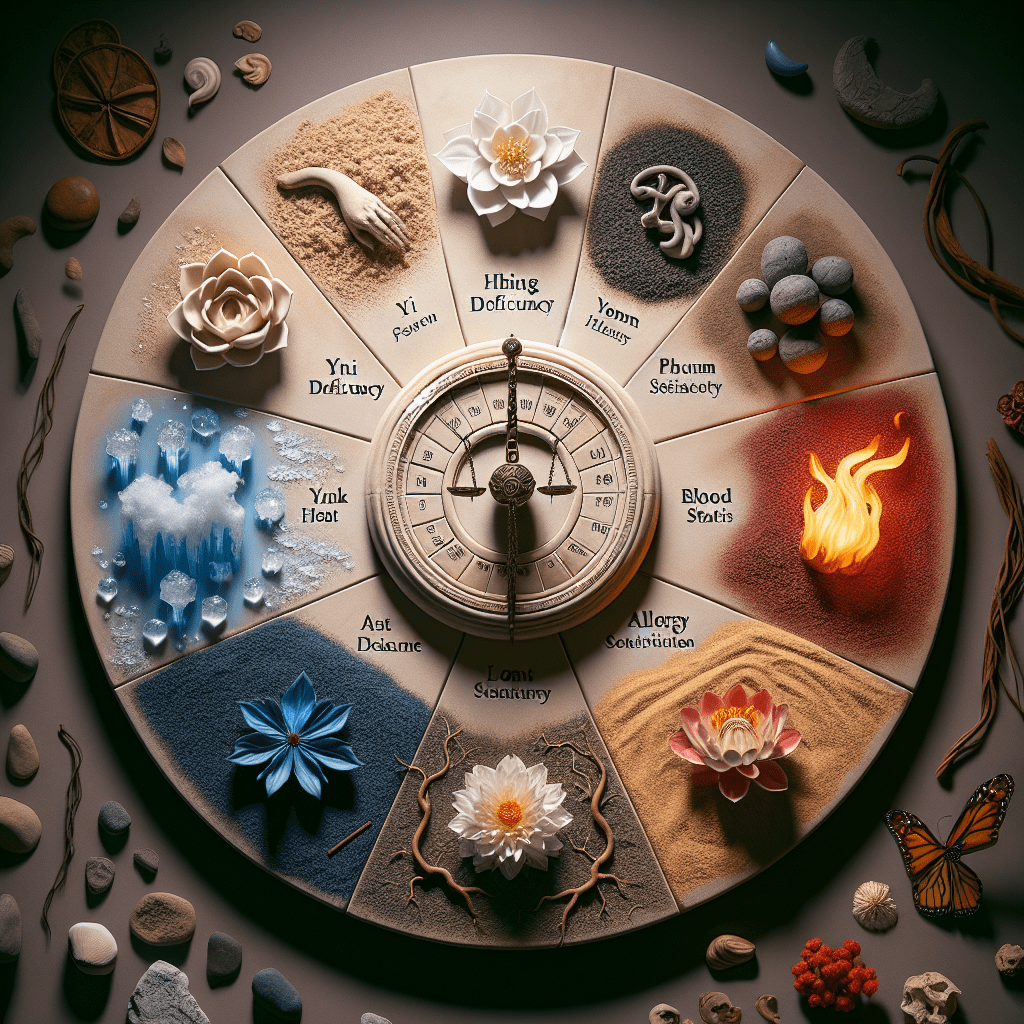
But TCM doesn’t stop at four types. The more comprehensive system identifies nine main body constitutions: Balanced (the ideal state), Qi Deficient, Yang Deficient, Yin Deficient, Phlegm-Damp, Damp-Heat, Blood Stasis, Qi Stagnation, and Special Constitution (allergic tendencies). Each constitution represents a distinct pattern of how energy, fluids, and substances move through your body.
Here’s what makes this remarkable: these aren’t arbitrary categories. They’re based on careful observation of physical signs, emotional patterns, tongue appearance, pulse quality, and responses to food, weather, and stress. A Yang Deficient person doesn’t just “feel cold sometimes”—they show a consistent pattern of cold hands and feet, pale complexion, low energy, preference for warm foods, and sensitivity to cold weather. Their body literally operates with less metabolic heat than someone with a Balanced or Yang-excess constitution.
The brilliance of this system is that it identifies your inherent strengths and vulnerabilities before disease develops. It’s like having a roadmap that shows where your health journey might encounter obstacles, allowing you to take preventive action rather than waiting for problems to arise.
Modern Science Meets Ancient Understanding
While TCM developed its constitutional framework through millennia of clinical observation, modern science is now providing new perspectives on why body constitution matters. Contemporary research reveals that constitution relates to your inherited genetic patterns, physiological tendencies, immune response characteristics, and even your microbiome composition.
Your body constitution reflects your inherent traits—not just what you’re born with, but how your body has adapted over time to your environment, diet, stress levels, and lifestyle. It includes your morphology (body shape and structure), your metabolic rate, your inflammatory tendencies, and your stress response patterns. Some people naturally build muscle easily while others struggle. Some people can eat almost anything without digestive issues, while others deal with food sensitivities. These aren’t random variations—they’re expressions of constitutional differences.
Modern health researchers are increasingly recognizing that immune responses vary significantly between individuals based on constitutional factors. This explains why some people catch every cold that goes around while others rarely get sick, or why certain individuals develop autoimmune conditions while others don’t. Your constitution influences how your immune system interprets threats and responds to challenges.
This understanding has profound implications for personalized health strategies. Instead of following generic “healthy eating” advice, you can tailor your diet to support your specific constitutional needs. A Phlegm-Damp constitution benefits from foods that drain dampness and support metabolism—think aromatic spices, bitter greens, and foods that are warming but not greasy. Meanwhile, a Yin Deficient constitution needs cooling, moistening foods like sesame, pear, honey, and seafood to nourish their depleted yin energy.
The same principle applies to exercise. Yang Deficient individuals do better with gentle, warming activities like tai chi or moderate walking, rather than intense cold-water swimming or exhausting HIIT workouts. Qi Stagnant types, however, thrive on vigorous movement that gets their energy flowing—dancing, martial arts, or interval training helps them feel more balanced.
Even sleep recommendations become more nuanced. Some constitutions need more rest than others. Qi Deficient people genuinely require more sleep and shouldn’t force themselves to survive on six hours just because someone else can. Yin Deficient individuals often struggle with insomnia and benefit from evening routines that cool and calm their system, while Yang Deficient people might need morning sunlight exposure to help their body generate the energy they naturally lack.
Real-World Applications: Constitutional Wisdom in Action
Let me share some practical examples of how recognizing your body constitution transforms health outcomes. Consider Maria, a 38-year-old woman who struggled with chronic fatigue and digestive issues for years. She tried every trendy diet—paleo, keto, vegan—with minimal improvement. Blood tests showed nothing wrong. Doctors suggested stress management and perhaps antidepressants.
When Maria explored her body constitution, she discovered she had a classic Qi Deficient constitution with Spleen weakness (in TCM, the Spleen governs digestion and energy transformation). Her fatigue wasn’t just stress—it was her body’s constitutional tendency toward weak digestive fire and poor nutrient absorption. The solution wasn’t another restrictive diet but rather eating foods that strengthen Qi: cooked vegetables instead of raw salads, warm soups and stews, small frequent meals, and avoiding cold drinks that further weaken her digestive function. Within weeks, her energy improved. Within months, her digestion normalized. The key wasn’t finding the “perfect diet” but finding the right diet for her constitution.
Or take James, who dealt with frequent irritability, tension headaches, and poor sleep. He’s a textbook Qi Stagnation constitution—high-stress job, sedentary lifestyle, tendency to internalize emotions. No amount of sleeping pills addressed his insomnia because the root cause was stuck energy. His personalized approach included vigorous exercise to move stagnant Qi, stress-release techniques like journaling and breathwork, and foods that support liver function and smooth Qi flow—leafy greens, citrus fruits, and peppermint tea. The transformation wasn’t about taking supplements or medications but about addressing his constitutional pattern of energy blockage.
For dietary recommendations, constitutional awareness changes everything. A Damp-Heat constitution (someone who tends toward inflammation, acne, greasy skin, and digestive heat) should avoid spicy foods, alcohol, fried foods, and excess red meat—all of which aggravate their pattern. But a Yang Deficient constitution actually benefits from moderate amounts of warming spices and foods because their body runs cold and needs that metabolic boost.
Stress management also becomes constitutional. Yang-excess types who run hot and intense benefit from cooling practices—swimming, meditation, cooling herbs like chrysanthemum tea. Yin Deficient individuals need stress management that nourishes and restores—gentle yoga, adequate rest, moistening herbal teas. One size definitely doesn’t fit all.
Even seasonal wellness adjustments make more sense through a constitutional lens. If you’re Yin Deficient, you’ll struggle more in hot, dry summers and need extra attention to hydration and cooling foods. Yang Deficient people dread winter and need warming strategies to maintain energy when cold weather saps their already-low metabolic heat.
The HerbalsZen Approach: Ancient Wisdom Enhanced by Modern AI
This is where HerbalsZen’s philosophy comes alive. We believe that the wisdom of Traditional Chinese Medicine—refined over two millennia—shouldn’t remain locked in ancient texts or accessible only through rare specialists. This profound knowledge about body constitutions and personalized health deserves to be available to everyone, anywhere, at any time.
That’s why we created EastChi AI, a revolutionary platform that fuses ancient Eastern wisdom with cutting-edge artificial intelligence. Our AI has been trained on the core principles of TCM—Five Elements theory, Yin-Yang balance, Qi energy patterns, and constitutional analysis. But we’ve taken it further by integrating modern nutritional science, creating a bridge between traditional wisdom and contemporary health needs.
Here’s how it works: EastChi AI asks you detailed questions about your physical characteristics, health patterns, emotional tendencies, dietary preferences, and lifestyle factors. It observes patterns in your responses—Do you feel cold or hot? How’s your digestion? Your energy levels throughout the day? Your sleep quality? Your stress responses? From this comprehensive assessment, the AI identifies your primary body constitution and any secondary patterns.
Then comes the personalization. EastChi AI generates tailored nutrition plans that match your constitution—not generic meal plans, but specific food recommendations that support your unique energetic balance. If you’re Phlegm-Damp, you’ll receive guidance on metabolism-boosting foods and those to avoid. If you’re Blood Deficient, you’ll learn which foods build and nourish blood according to TCM principles.
The lifestyle recommendations go beyond diet. You’ll receive guidance on exercise types suited to your constitution, stress management techniques that work with your energetic patterns, sleep hygiene practices tailored to your needs, and even seasonal adjustments to maintain balance as external conditions change.
What makes this approach powerful is that it respects the holistic nature of Eastern medicine while making it practical and accessible. We recognize that food isn’t just calories and nutrients—it’s medicine with energetic properties that interact with your constitutional patterns. We understand that physical symptoms, emotional states, and environmental factors are interconnected, not separate issues to address with different specialists.
Our vision is to democratize personalized Eastern wellness, making the sophisticated insights of TCM available at your fingertips. No more one-size-fits-all wellness advice. No more trying random diet trends hoping something works. Instead, you get guidance specifically calibrated to your body’s inherent nature, helping you work with your constitution rather than against it.
Embracing Your Unique Path to Wellness
The journey to optimal health isn’t about following the latest superfood trend or copying what works for someone else. It’s about understanding your own body’s language—recognizing your constitutional strengths and weaknesses, learning what supports your unique balance, and making choices aligned with your inherent nature.
Your blood type might determine which blood you can receive in a transfusion, but your body constitution determines how you should eat, move, rest, and live to thrive. It’s the difference between surface-level categorization and deep personal insight. It’s the difference between generic advice and true personalization.
Traditional Chinese Medicine understood this truth thousands of years ago: that each person is a unique expression of natural forces, with their own optimal path to health and harmony. Modern science is confirming what ancient physicians knew—that constitutional differences matter profoundly for health outcomes, disease prevention, and wellness optimization.
The beautiful thing about constitutional wellness is that it meets you where you are. You’re not trying to become someone else or force your body into an ideal that doesn’t match your nature. Instead, you’re learning to support and nurture your authentic self, bringing your unique constitution into balance.
Whether you’re dealing with chronic health concerns, seeking to optimize your wellness, or simply curious about natural approaches to health, understanding your body constitution opens new possibilities. It explains patterns you’ve noticed in your health. It validates your experiences that didn’t fit standard medical explanations. It provides a framework for making choices that actually work for you.
At HerbalsZen, we invite you to explore this personalized approach to wellness. Discover your body constitution. Learn what foods and lifestyle practices support your unique energetic balance. Experience how ancient wisdom, enhanced by modern AI technology, can guide you toward natural harmony and optimal wellbeing. Your body has been trying to tell you something all along—it’s time to listen with the wisdom of both ancient and modern knowledge.
Your path to wellness is as unique as you are. It’s time to honor that uniqueness and embrace truly personalized health strategies that recognize your body constitution as the foundation of your wellbeing journey.