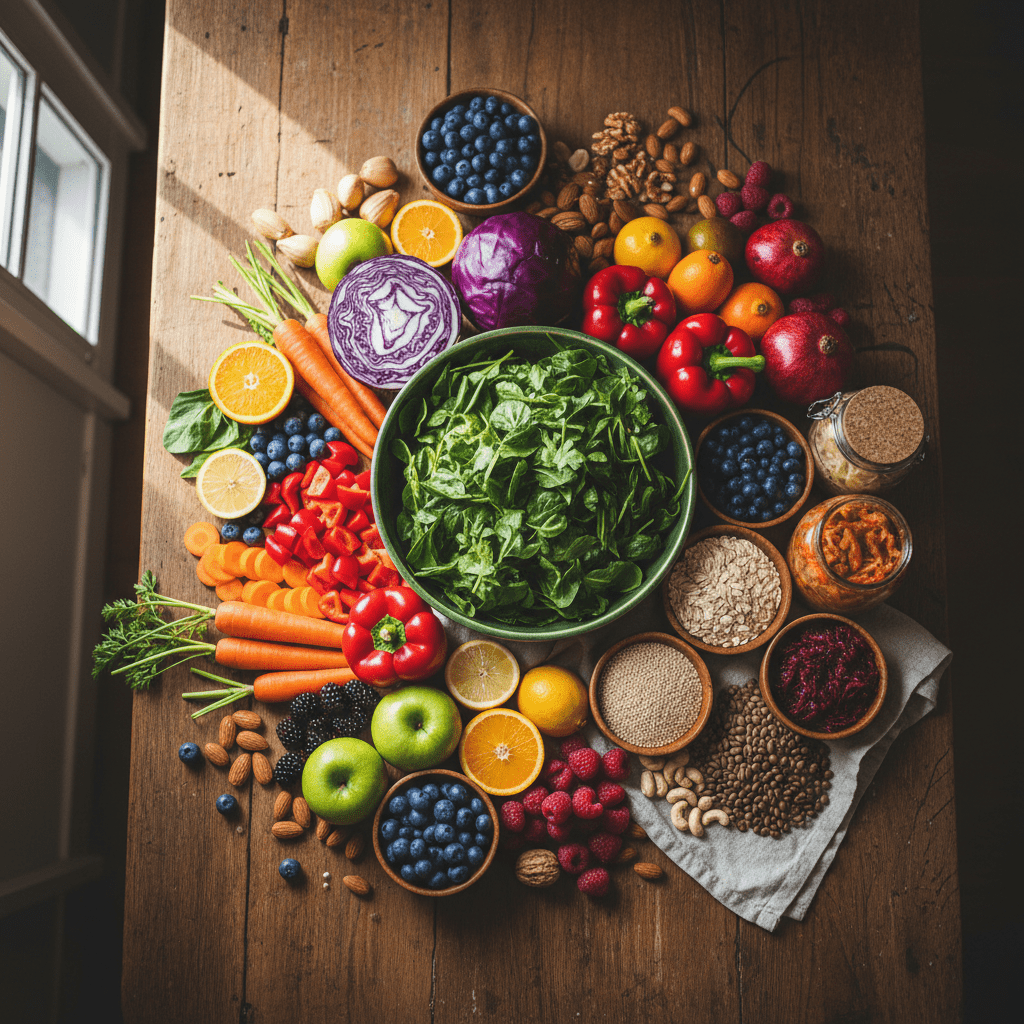
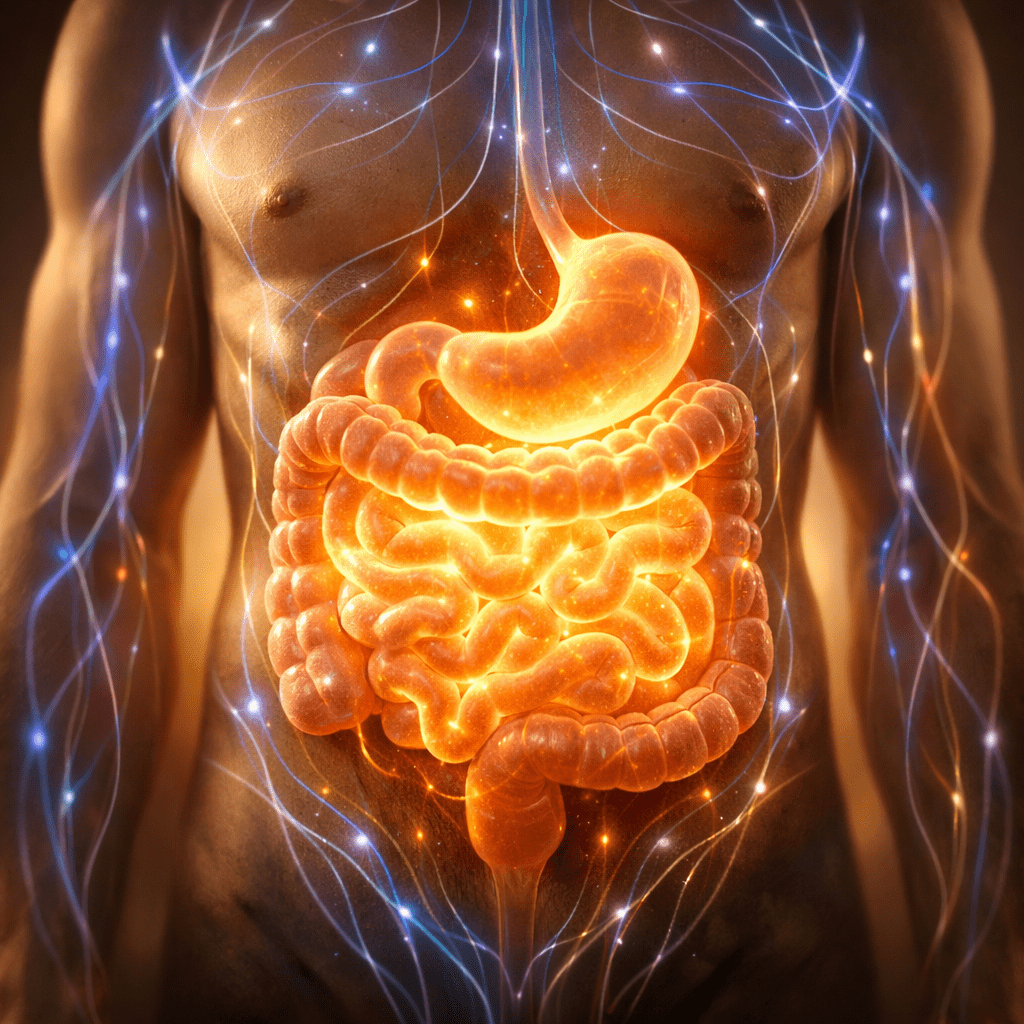
Your gut speaks to you every day. Sometimes it whispers through gentle bloating. Other times, it screams through pain, irregular bowel movements, or that uncomfortable feeling that sits with you long after meals. You’ve tried probiotics, eliminated gluten, switched to organic foods, yet the digestive issues persist. The question isn’t whether you’re doing something wrong—it’s whether you’re understanding your body’s actual needs.
At HerbalsZen, we bridge 2,000 years of Eastern wisdom with modern AI technology through our EastChi AI platform. This approach reveals something Western nutrition often overlooks: your digestive health isn’t just about what you eat, but how those foods interact with your unique body constitution. Traditional Chinese Medicine (TCM) offers a framework that explains why the same “healthy” food that works wonders for your friend might leave you feeling worse.
The foundation of this understanding lies in the Five Elements Theory—Wood, Fire, Earth, Metal, and Water. Each element corresponds to specific organs and functions in your body. For digestion, the Earth element takes center stage. The Earth element governs your Spleen and Stomach, the organs responsible for transforming food into vital energy, or Qi. When your Earth element is strong, you digest efficiently, absorb nutrients completely, and feel energized. When it’s weak, food becomes a burden rather than fuel.
Think of your Spleen and Stomach as the central kitchen of your body. A well-functioning kitchen transforms raw ingredients into nourishing meals. A compromised kitchen, however, creates a backlog—half-processed food accumulates, creating what TCM calls “Dampness,” a condition that manifests as bloating, brain fog, heavy limbs, and stubborn weight that won’t budge regardless of calorie counting.
This isn’t metaphorical. Modern research increasingly validates what Eastern medicine has known for centuries: your digestive system operates as an intelligent ecosystem that requires specific conditions to thrive. The foods you choose either support this ecosystem or disrupt it. Let’s explore the worst offenders—foods that quietly sabotage your gut health while hiding behind labels of “healthy” or “normal.”
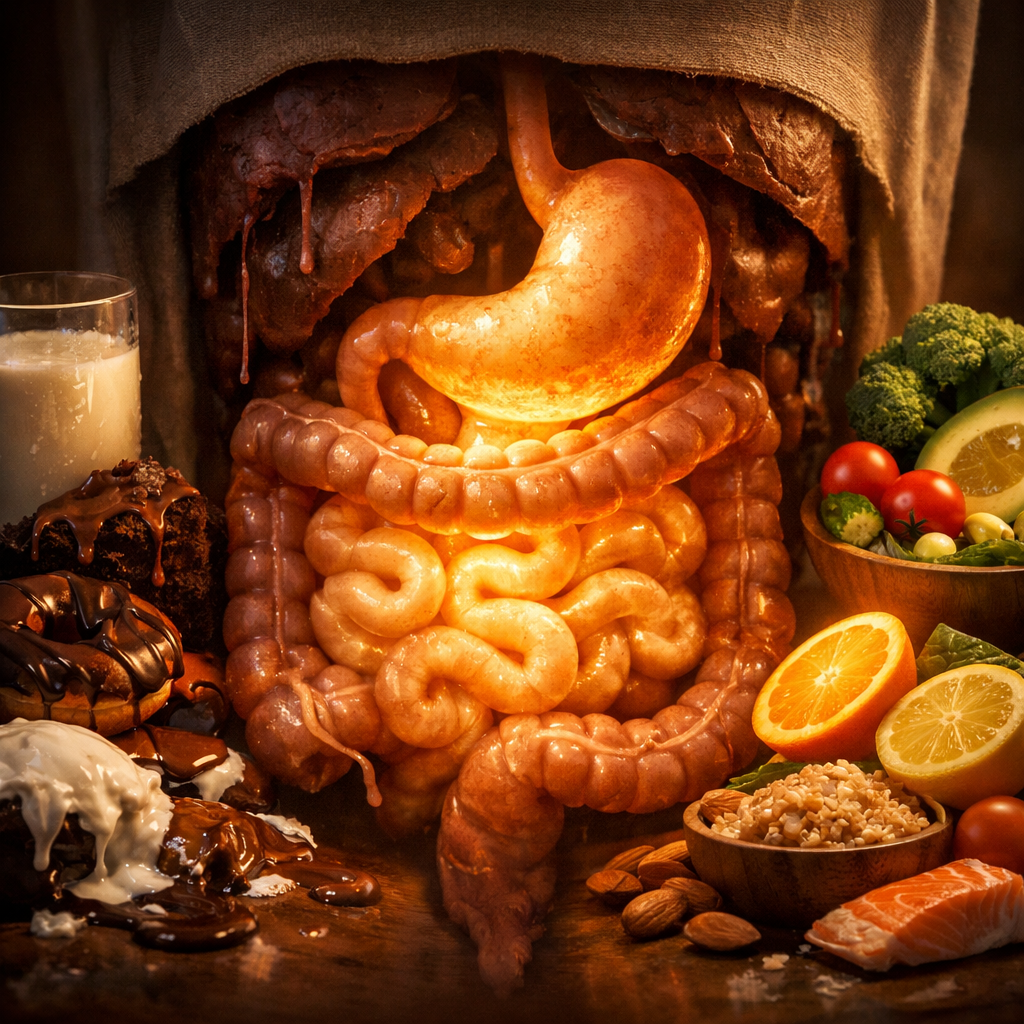
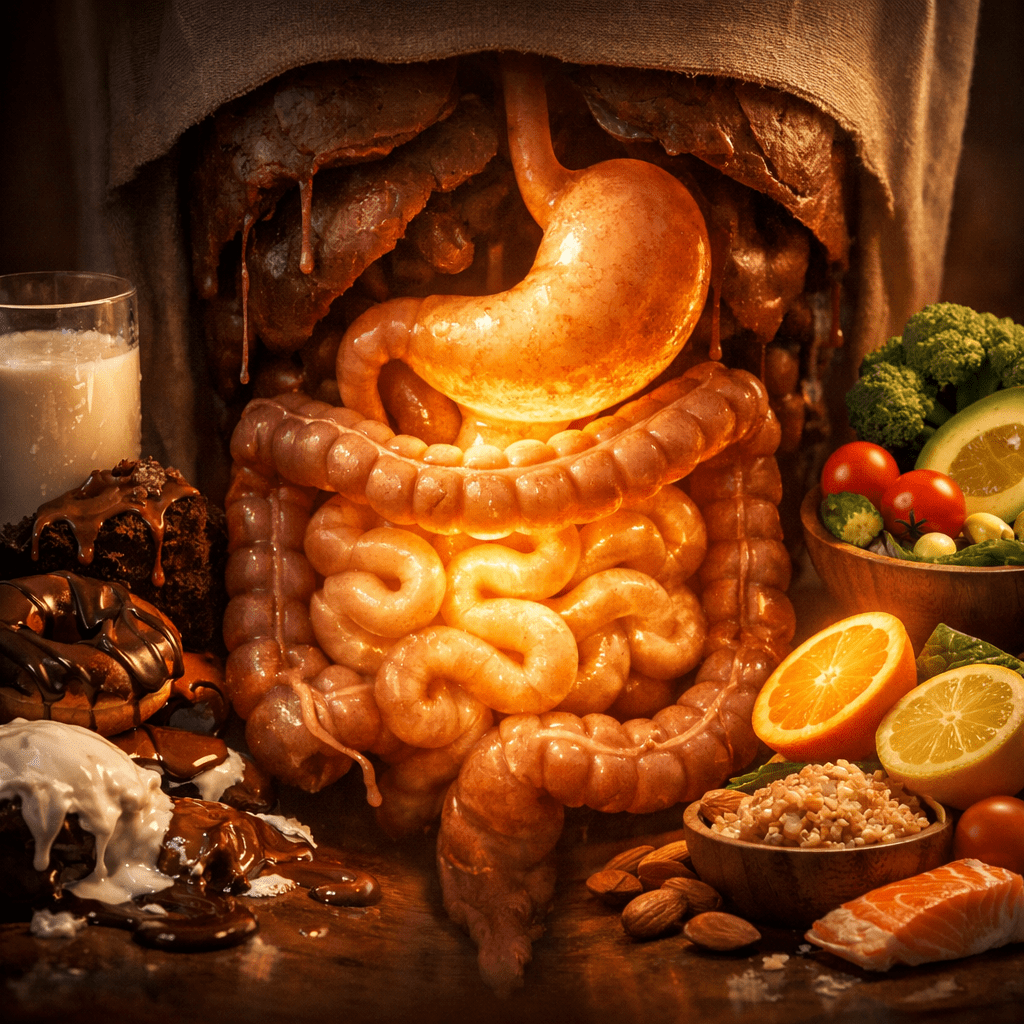
The Silent Saboteurs: Foods That Create Dampness and Chaos
Dampness-Promoting Foods: The Hidden Culprits
In TCM, Dampness represents a sticky, heavy quality that clogs your digestive system like humidity in the air. Certain foods promote this condition more aggressively than others, and surprisingly, many appear on “healthy eating” lists.
Dairy products top this list. Milk, cheese, yogurt, and cream create Dampness by their very nature. Your Spleen must work overtime to process these thick, rich substances. For people with weak digestive fire, this becomes an impossible task. The unprocessed dairy accumulates, creating mucus, bloating, and a coating on the tongue that signals digestive distress. Notice how you feel after a glass of milk or bowl of ice cream. That heavy, sluggish sensation isn’t coincidental—it’s your Earth element struggling.
This doesn’t mean dairy is universally bad, but its effect depends on your constitution. Someone with robust Spleen Qi might handle moderate amounts. Someone with weak digestion—already experiencing bloating, fatigue, or loose stools—will only worsen their condition.
Refined sugars create a different kind of havoc. Sugar doesn’t just spike your blood glucose; it directly feeds Dampness. TCM considers sweet flavor beneficial for the Spleen in moderation—natural sweetness from whole grains and root vegetables supports digestion. But refined sugar overwhelms your system. Your Spleen can’t process the concentrated sweetness, and the excess transforms into Dampness.
Watch what happens after consuming sugary foods. The initial energy spike crashes quickly, leaving you more tired than before. Your tongue develops a thick, greasy coating. Bloating increases. These aren’t random symptoms—they’re your body signaling that it cannot handle the assault.
The irony? Many “gut health” yogurts and smoothies marketed for digestion contain high amounts of both dairy and sugar, compounding the problem they claim to solve.
Raw and Cold Foods: Dousing Your Digestive Fire
Your digestive system requires warmth to function. TCM describes this as your digestive fire—the metabolic heat that breaks down food and extracts nutrients. Raw and cold foods directly extinguish this fire.
Think about it logically. Your body temperature sits around 98.6°F. When you consume ice-cold smoothies, salads straight from the refrigerator, or frozen foods, your digestive system must expend enormous energy to warm everything to body temperature before digestion even begins. This depletes your Spleen Qi, leaving less energy for actual nutrient extraction.
The modern obsession with raw food diets and cold-pressed juices overlooks this fundamental principle. Yes, raw vegetables contain enzymes and nutrients. But if your digestive fire is too weak to process them, those nutrients pass through unabsorbed while creating gas, bloating, and loose stools.
People with already weak digestion—those experiencing chronic fatigue, pale complexion, or preference for warm drinks—should avoid raw and cold foods almost entirely. Your body is literally telling you it lacks the fire to process them.
This doesn’t condemn all raw foods. Someone with strong constitution and excess heat might benefit from cooling, raw foods. But for most people struggling with digestive issues, raw vegetables at every meal become a chronic stressor rather than a health booster.
Heat-Creating Foods: When the Pendulum Swings Too Far
While cold foods extinguish digestive fire, certain foods create excessive heat that damages your gut in different ways.
Alcohol ranks among the worst. Beyond its obvious toxic effects, alcohol creates what TCM calls Dampness-Heat—a combination of stuck moisture and inflammatory heat that wreaks havoc on digestion. Your Liver and Stomach bear the brunt. Over time, this manifests as acid reflux, gastritis, irregular bowel movements, and that uncomfortable heat sensation in your upper abdomen.
Even moderate drinking affects gut health. Alcohol disrupts your gut microbiome, increases intestinal permeability (leaky gut), and impairs nutrient absorption. The warming effect that makes drinking feel relaxing initially becomes inflammatory heat that damages digestive tissues.
Excessively spicy foods create similar issues. While warming spices like ginger and turmeric benefit digestion, extreme spiciness overwhelms your system. The burning sensation you feel in your mouth continues through your entire digestive tract. For people with existing inflammation, IBS, or acid reflux, spicy foods act like gasoline on fire.
Again, context matters. Someone with excessive cold and dampness might benefit from moderate spice to stimulate circulation. But if you already experience heartburn, red face, irritability, or inflammatory bowel conditions, adding more heat worsens the imbalance.
Highly Processed Foods: The Modern Plague
No discussion of gut-disrupting foods would be complete without addressing the elephant in the room: processed foods.
From a TCM perspective, processed foods represent the ultimate digestive challenge. They contain no Qi—no life force energy. Your body evolved to extract nutrients from whole foods that carried natural vitality. Processed foods are nutritionally dead, stripped of fiber, enzymes, and the subtle energetic qualities that support health.
The refined flours, industrial seed oils, artificial additives, and chemical preservatives create chaos in your digestive ecosystem. Your gut bacteria cannot process these foreign substances properly. Inflammation increases. The gut lining becomes permeable. The very foundation of health—a well-functioning digestive system—crumbles.
Studies confirm what Eastern medicine has always known: highly processed diets correlate with inflammatory bowel diseases, metabolic disorders, and overall poor health outcomes. These foods don’t just lack nutrition—they actively damage your gut.
Rebuilding Your Digestive Foundation: Practical Steps Forward
Understanding what harms your gut means little without knowing how to heal it. The good news? Your digestive system wants to work properly. Give it the right conditions, and it will restore itself remarkably well.
The Power of Warm, Cooked Meals
Start with temperature and preparation. Prioritize warm, cooked foods that support rather than challenge your digestive fire. This doesn’t mean everything must be hot, but room temperature or warmer should be your baseline.
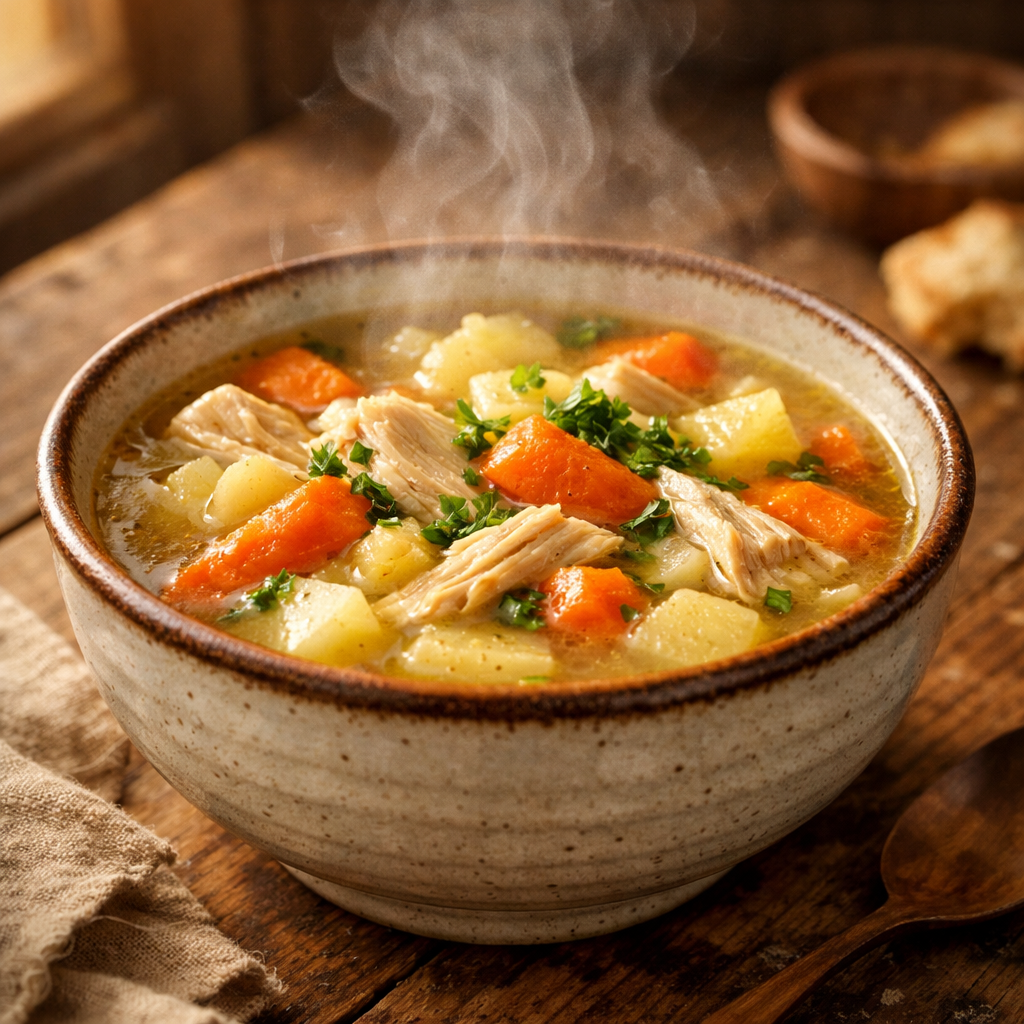
Cooking pre-digests food, making nutrients more accessible. Steaming, simmering, and gentle sautéing preserve nutrition while making food easier to process. Root vegetables, whole grains, soups, and stews become digestive allies rather than obstacles.
Think of your grandmother’s chicken soup when you felt sick. That wasn’t just comfort—it was medicine. The warmth, the long-cooked ingredients, the broth rich with minerals—everything supported your weakened digestion.
Strategic Use of Warming Spices
Not all spice creates harmful heat. Certain warming spices actually strengthen digestive fire without overwhelming it.
Ginger stands as the quintessential digestive aid in both Eastern and Western herbalism. Fresh ginger tea before meals awakens your digestive fire. A small amount of ginger in cooking helps transform food into energy. It disperses cold, eliminates bloating, and settles nausea—all without creating inflammatory heat.
Turmeric offers similar benefits with anti-inflammatory properties that support gut healing. The compound curcumin reduces intestinal inflammation while supporting beneficial gut bacteria. Combined with black pepper (which increases absorption), turmeric becomes a powerful ally for long-term digestive health.
Other beneficial warming spices include cinnamon, cardamom, fennel, and cumin. These aren’t random choices—TCM has used them for centuries because they gently stimulate digestion without creating excess heat.
Mindful Eating Habits That Transform Digestion
How you eat matters as much as what you eat. Your Spleen requires focused attention to function optimally.
Eating while stressed, distracted, or rushing diverts energy away from digestion. Blood flow moves to your limbs and brain rather than your digestive organs. Food sits unprocessed, creating that heavy, stuck feeling.
Create space around meals. Sit down. Breathe. Chew thoroughly—your stomach doesn’t have teeth, and digestion begins in your mouth. Notice flavors, textures, temperatures. This mindfulness signals your digestive system to activate properly.
Stop eating when you’re 80% full. Overeating overwhelms even strong digestion. Your Stomach needs space to churn and process food. Stuffing yourself to capacity guarantees poor digestion regardless of food quality.
Hydration Without Harm
Drink room-temperature or warm water throughout the day. Cold water, especially with meals, extinguishes digestive fire exactly when you need it most. This seems trivial until you consistently practice it and notice the difference.
Sipping warm water or herbal tea supports the transformation of food into nutrients. It provides the necessary fluid without shocking your system or diluting digestive enzymes.
Respecting Your Body’s Natural Rhythms
Avoid eating late at night. Your digestive fire naturally weakens as evening progresses. Large, late meals guarantee poor sleep and undigested food that transforms into Dampness overnight.
Finish eating at least three hours before bed. Give your digestive system time to complete its work before you lie down. This simple habit dramatically improves sleep quality and morning energy.
The HerbalsZen Approach: Personalization as Medicine
Here’s where one-size-fits-all nutrition fails: your digestive needs differ fundamentally from everyone else’s. The friend who thrives on raw salads might have excess heat that benefits from cooling foods. You might need warming, cooked meals to support weak Spleen Qi.
At HerbalsZen, our EastChi AI platform analyzes your unique body constitution through detailed assessment of your symptoms, energy patterns, digestive function, sleep quality, and stress responses. This mirrors how traditional Chinese medicine practitioners have diagnosed patients for millennia—looking at the whole person rather than isolated symptoms.
Based on your individual pattern, we provide personalized nutrition recommendations that honor both Eastern wisdom and modern nutritional science. Someone with Dampness accumulation receives different guidance than someone with digestive heat. Someone with Qi deficiency follows a different protocol than someone with stagnation.
This personalization explains why generic “gut health” advice often fails. Following recommendations designed for average people—who don’t exist—means ignoring your actual needs. Your body isn’t average. Your digestive system operates according to specific patterns that require specific support.
Our approach recognizes that food is medicine, but medicine must match the condition. The most nutritious food in the world becomes harmful if it doesn’t match your constitution. A perfectly balanced meal for someone else might leave you bloated and exhausted.
We also understand that healing takes time. Your current digestive state developed over months or years. Reversing it requires patience, consistency, and proper guidance. Quick fixes don’t exist, but steady improvement through aligned nutrition creates lasting change.
The goal isn’t perfection. It’s understanding your body well enough to make informed choices most of the time. Occasionally eating foods that don’t perfectly match your constitution won’t destroy your health. But chronic consumption of foods that disrupt your specific patterns guarantees persistent digestive issues.
Your gut knows the truth. That uncomfortable feeling after certain foods isn’t random or something to power through. It’s information. Your body is communicating which foods support your unique constitution and which ones create imbalance.
The worst foods for gut health aren’t the same for everyone. But the principle remains constant: honor your digestive fire, avoid excessive dampness and heat, choose whole foods prepared appropriately, and listen to the wisdom your body shares through symptoms.
Your digestive issues won’t magically disappear overnight. But with the right approach—one that respects Eastern wisdom about individual constitutions while leveraging modern technology for precise personalization—they don’t have to persist indefinitely either.
The path to digestive wellness begins with understanding that your gut isn’t broken. It’s simply asking for conditions that match its actual needs rather than generic advice that ignores your unique constitution. Give it that understanding, and watch how naturally balance returns.