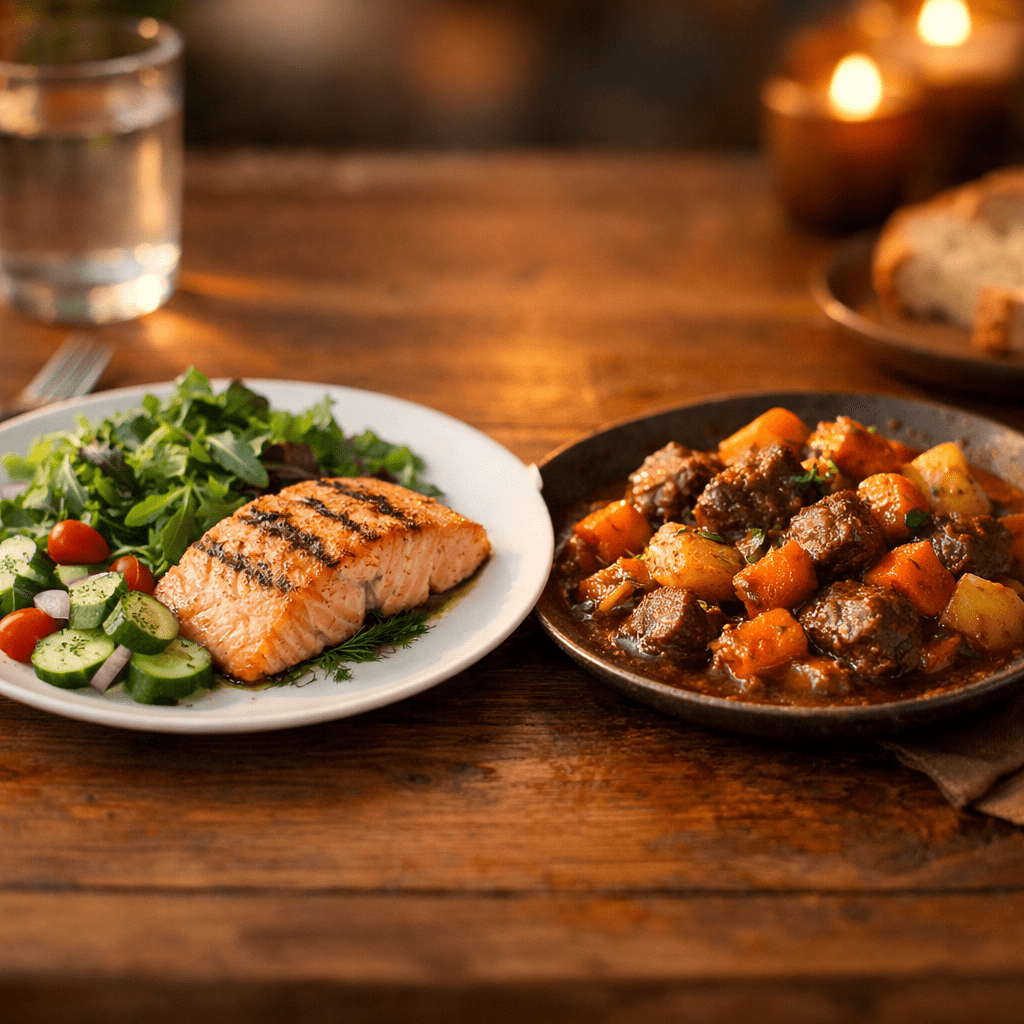
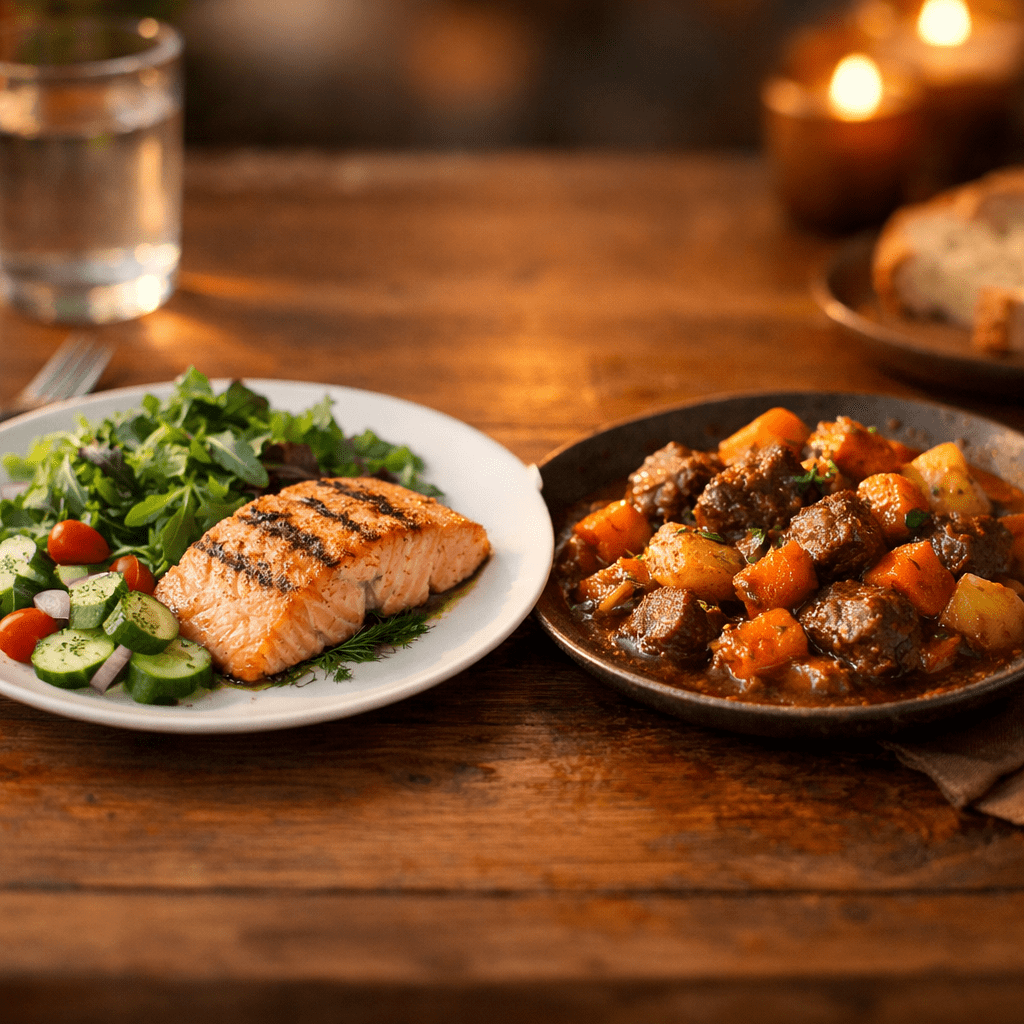
Have you ever wondered why your friend thrives on raw salads while they leave you feeling bloated and cold? Or why some people can handle spicy foods without breaking a sweat, while others feel inflamed after just one chili pepper? The answer might lie in something Eastern medicine has known for centuries: we all have unique body constitutions that respond differently to the same foods.
Constitution-based eating isn’t about following the latest diet trend—it’s about understanding your body’s innate blueprint and nourishing it accordingly. When you eat foods that harmonize with your constitution, you’ll likely notice improved digestion, sustained energy throughout the day, and a deeper sense of balance. This personalized approach is at the heart of personalized nutrition. On the other hand, eating against your constitution can lead to persistent digestive issues, fatigue, and that frustrating feeling that “healthy eating” just doesn’t work for you.
Think of your body constitution as your metabolic personality. Just as some people are naturally morning people while others come alive at night, your organs and systems have their own energetic patterns. Understanding these patterns allows you to make food choices that support rather than fight against your natural tendencies. This personalized approach to nutrition has been the cornerstone of Eastern wellness traditions for thousands of years, and it’s exactly what makes the difference between eating “healthy” and eating right for you.
Understanding Eight-Constitution Medicine and Body Types
Eight-Constitution Medicine (ECM) offers a fascinating framework that goes beyond simple categorization. Developed from traditional Korean medicine, this system classifies people into eight distinct body types based on the relative strength and weakness of five key organ systems: liver, lungs, kidneys, spleen, and pancreas.
Here’s what makes ECM particularly powerful: it recognizes that your dominant organs influence not just your physical traits, but also how you process different foods. For example, someone with a Hepatonia constitution (liver-dominant) has a naturally strong liver but weaker lungs. This person typically handles detoxification well but may struggle with respiratory issues and often feels better eating cooling, calming foods rather than heating, stimulating ones. Understanding these body constitution patterns is crucial for effective personalized wellness.
The eight body types in ECM are: Hepatonia, Cholecystonia, Pancreotonia, Gastrotonia, Pulmotonia, Colonotonia, Renotonia, and Vesicotonia. Each type has its own energetic signature and responds differently to foods based on their thermal properties (warming or cooling) and their effect on organ function.
What’s truly revolutionary about this approach is the concept of food compatibility beyond just nutrients. In ECM, foods aren’t simply “good” or “bad”—they’re compatible or incompatible with your specific constitution. A food that strengthens one person’s dominant organs might overstimulate them, while the same food could perfectly balance someone else’s weaker organs. For instance, red meat might energize a Renotonia type (kidney-dominant) but could create excess heat and tension for a Hepatonia type.
This explains why conventional nutritional advice sometimes falls flat. When a diet plan suggests everyone should eat high-protein meals or go plant-based, it ignores the fundamental reality that our bodies process foods through different constitutional lenses. ECM teaches us to choose foods that harmonize our unique organ-function patterns rather than following one-size-fits-all recommendations.
Traditional Chinese Medicine’s Perspective on Body Constitution
Traditional Chinese Medicine (TCM) takes another sophisticated approach to understanding body constitutions, viewing health through the lens of Qi (vital energy), Yin-Yang balance, and the dynamic interplay of the Five Elements. In TCM theory, your constitution represents your baseline state—your body’s natural tendencies toward heat or cold, dryness or dampness, deficiency or excess.
TCM identifies nine primary constitution types, with the Balanced constitution representing ideal health and eight variations reflecting different imbalances: Qi Deficiency, Yang Deficiency, Yin Deficiency, Phlegm-Dampness, Damp-Heat, Blood Stasis, Qi Stagnation, and Special constitution. Each type manifests distinct physical characteristics, emotional tendencies, and dietary needs.
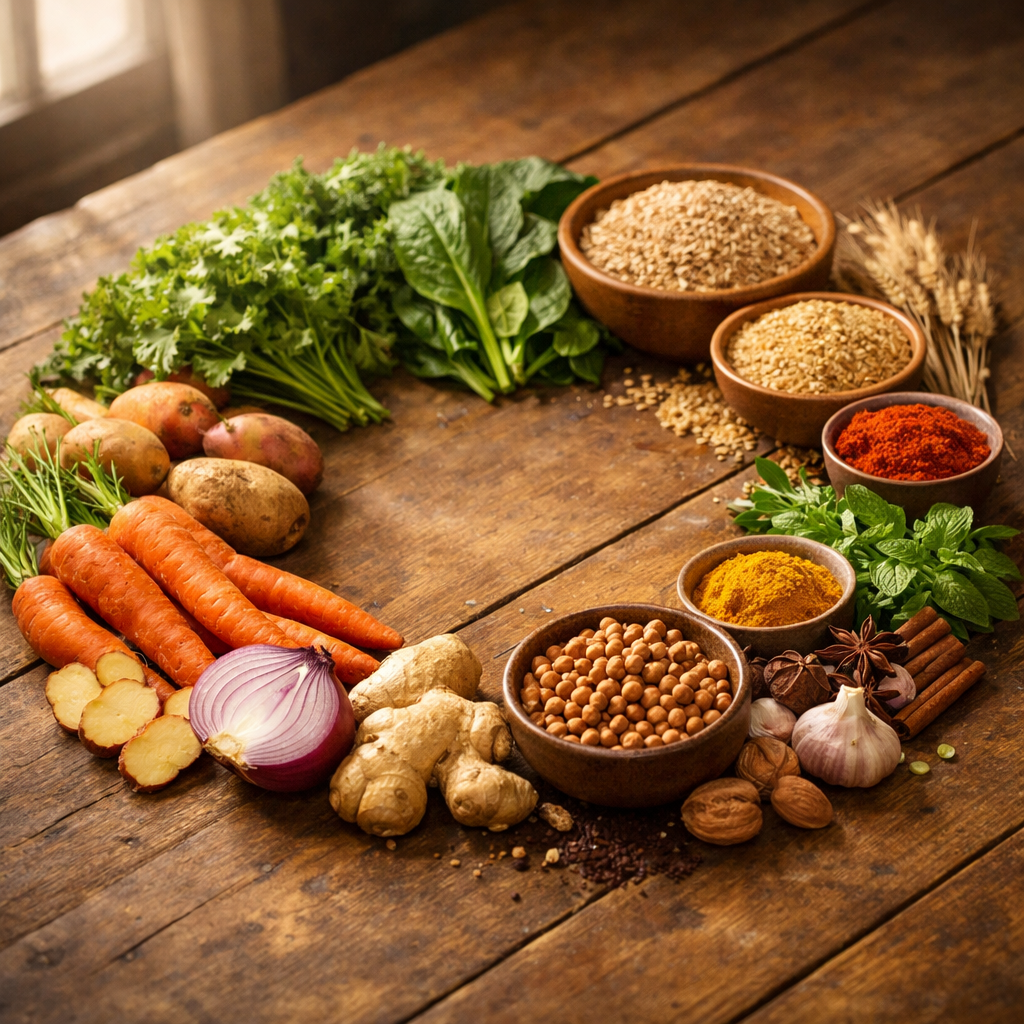
Consider someone with a Qi Deficiency constitution. They often feel tired, catch colds easily, and have weak digestion. For this person, TCM recommends warming, easily digestible foods that build Qi—think gently cooked vegetables, root vegetables like sweet potatoes, warming spices like ginger, and nourishing grains like rice and oats. Cold, raw foods and icy drinks would further deplete their already deficient Qi, making fatigue worse.
In contrast, someone with a Yin Deficiency constitution tends toward dryness and heat—dry skin, night sweats, feeling hot in the evening, and restlessness. They need cooling, moistening foods like pears, cucumbers, tofu, leafy greens, and coconut water. Spicy, fried, and overly warming foods would aggravate their condition, creating more internal heat.
What makes TCM’s approach particularly holistic is its recognition that food affects energy flow throughout the entire body. When you eat according to your constitution, you’re not just addressing nutritional needs—you’re supporting the smooth flow of Qi through your meridians, balancing Yin and Yang, and addressing the root causes of imbalance rather than just symptoms.
TCM also emphasizes that your constitution isn’t fixed forever. Seasons, stress, aging, and life circumstances can shift your constitutional balance. Someone might lean toward Yang Deficiency (feeling cold, low energy) in winter but develop Damp-Heat (feeling heavy, inflammation) in humid summer months if they don’t adjust their diet accordingly. This dynamic understanding encourages you to stay attuned to your body’s signals and adapt your food choices as needed.
Ayurveda’s Dosha-Based Dietary Guidelines
Ayurveda, India’s ancient wellness system, offers yet another lens for constitution-based eating through its concept of doshas. The three doshas—Vata, Pitta, and Kapha—represent different combinations of the five elements (space, air, fire, water, earth) and govern various bodily functions.
Vata types, composed of air and space elements, tend toward dryness, coldness, and irregularity. They’re often creative, quick-thinking individuals who run cold, struggle with anxiety, and have variable digestion. Vata constitutions thrive on warm, cooked, grounding foods with healthy fats—think hearty stews, cooked grains, root vegetables, warming spices, and nourishing oils. They should avoid cold, dry, and raw foods, excessive caffeine, and irregular meal times, all of which aggravate Vata’s already unstable nature.
Pitta types, dominated by fire and water, are naturally warm, sharp, and intense. They have strong digestion but can easily overheat, leading to inflammation, skin issues, and irritability. Pitta constitutions benefit from cooling, calming foods—sweet fruits, leafy greens, cucumbers, coconut, mild grains like basmati rice, and cooling herbs like mint and cilantro. They should minimize spicy foods, alcohol, fried items, and excessively sour or salty tastes that fan their internal flames.
Kapha types, built from water and earth elements, are naturally steady, calm, and strong but prone to sluggishness and weight gain. They have slower digestion and can accumulate excess moisture and heaviness. Kapha constitutions do best with light, dry, and warm foods—leafy greens, bitter vegetables, millets, legumes, warming spices like ginger and black pepper, and detoxifying teas. They should limit heavy, oily, sweet, and dairy-rich foods that increase Kapha’s already abundant qualities.
The guiding principle in Ayurveda is beautifully simple: like increases like, and opposites balance. If your constitution is naturally cold and dry (Vata), eating more cold, dry foods worsens the imbalance. Instead, you choose opposite qualities—warm, moist, grounding—to restore harmony. This principle of using food’s energetic properties to create balance is remarkably similar across Eastern wellness traditions, though each system uses different language and frameworks.
Ayurveda also recognizes that most people are bi-doshic (a combination of two doshas) or even tri-doshic, requiring a more nuanced approach. Understanding your dominant dosha helps you make daily food choices that maintain equilibrium and prevent the imbalances that lead to chronic wellness concerns.
Practical Starter Steps for Each Body Type
Understanding your constitution is enlightening, but the real transformation happens when you start applying this wisdom to your daily meals. Here are practical starting points tailored to different constitutional patterns, drawing from Eastern wellness principles:
For Vata Types or Qi Deficiency:
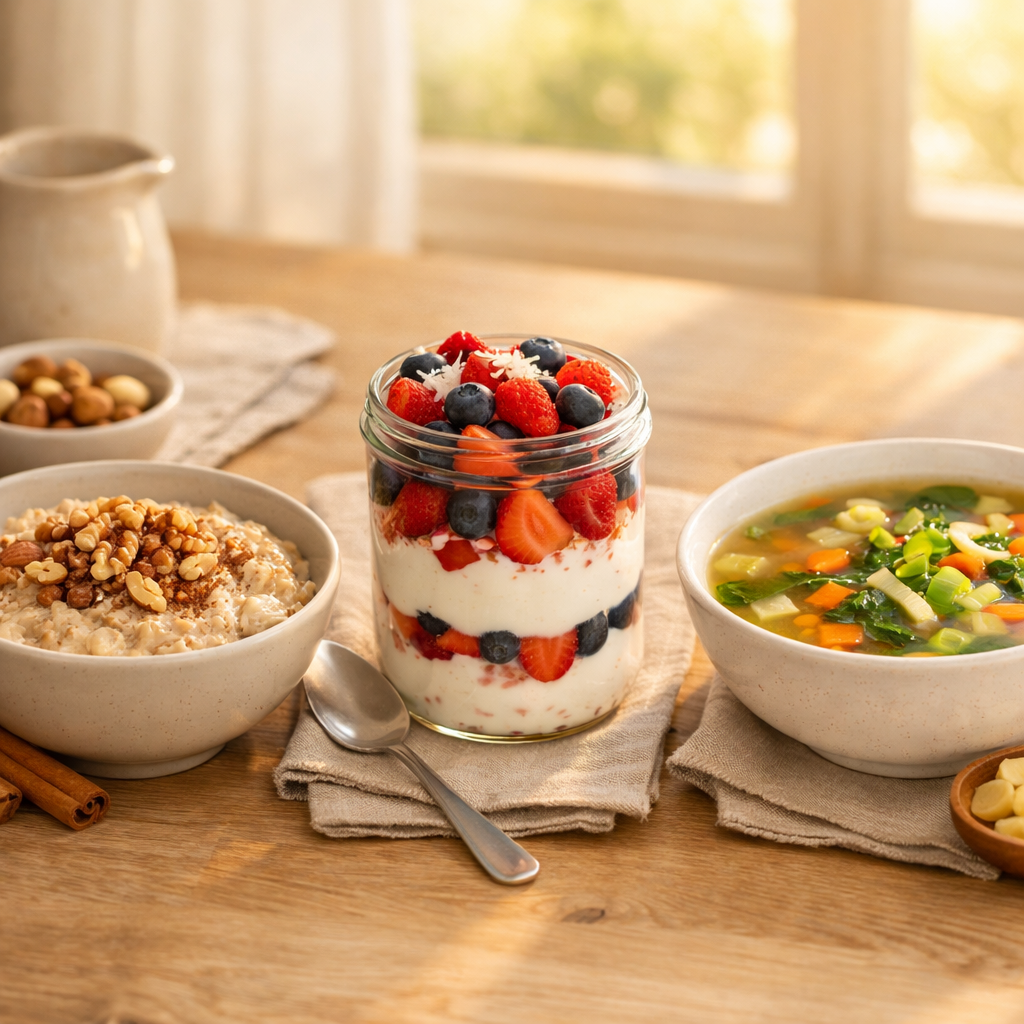
Begin your day with warm, cooked breakfasts like oatmeal with cinnamon, or congee (rice porridge) with ginger. Include nourishing fats from sesame oil, ghee, or avocado. Choose root vegetables, well-cooked grains, and warming spices. Eat at regular times—Vata thrives on routine. Sip warm ginger tea throughout the day rather than cold beverages. Favor sweet, sour, and salty tastes while minimizing bitter and astringent foods.
For Pitta Types or Yin Deficiency:
Start with cooling breakfast options like overnight oats with coconut milk and sweet fruits. Include plenty of leafy greens, cucumbers, and sweet vegetables. Choose cooling grains like basmati rice and barley. Season with cilantro, mint, and fennel rather than hot peppers. Drink coconut water or cooling herbal teas. Favor sweet, bitter, and astringent tastes while reducing pungent, sour, and salty foods. Eat your largest meal at midday when digestive fire is naturally strongest.
For Kapha Types or Phlegm-Dampness:
Begin with light, warming breakfasts—perhaps spiced tea with minimal food, or a vegetable-rich soup. Focus on bitter greens, cruciferous vegetables, and light proteins. Choose light grains like millet, quinoa, or barley over heavy wheat products. Use plenty of warming spices—ginger, black pepper, turmeric, and cayenne. Minimize dairy, sugar, and heavy oils. Favor pungent, bitter, and astringent tastes. Consider eating two satisfying meals rather than constant grazing.
For Yang Deficiency (Cold Constitution):
Emphasize warming foods like lamb, ginger, garlic, cinnamon, and warming vegetables. Include bone broths, cooked root vegetables, and warming teas. Avoid raw, cold foods and icy drinks. Cook with warming methods like roasting, stewing, and slow-cooking.
For Damp-Heat Patterns:
Focus on cooling, draining foods—bitter greens, mung beans, barley, celery, and green tea. Avoid greasy, fried, spicy, and heavily sweet foods. Include foods that clear heat and drain dampness simultaneously.
Regardless of your type, certain principles apply universally: Choose whole, seasonal, and ideally organic foods when possible. Eat mindfully, sitting down without distractions. Chew thoroughly to support digestion. Listen to your body’s signals rather than eating by the clock alone. Start with small changes—perhaps adjusting one meal per day—and notice how you feel over several weeks.
Remember that food is medicine in Eastern wellness philosophy. Each meal is an opportunity to restore balance, not just fill your stomach. When you align your food choices with your constitution, eating becomes a daily practice of self-care and healing.
Important Caveats and Considerations
While constitution-based eating offers profound insights, it’s essential to approach these traditional systems with balanced perspective and practical wisdom. These frameworks serve as guides, not rigid prescriptions that must be followed without exception.
First, understand that determining your true constitution often requires professional assessment. Self-diagnosis can be misleading because temporary imbalances can mask your underlying constitution. What you’re experiencing now might be a reaction to stress, season, or recent lifestyle changes rather than your innate body type. A qualified TCM practitioner, Ayurvedic consultant, or Eight-Constitution Medicine specialist can provide accurate constitutional assessment through pulse diagnosis, tongue analysis, and comprehensive health history.
Second, these traditional systems represent starting points for personalization, not absolute rules. You might be predominantly one type but exhibit characteristics of others depending on circumstances. Seasons change, life situations evolve, and your dietary needs shift accordingly. Someone with a Pitta constitution might need more warming foods during winter, even though their baseline is cooling. Flexibility and self-observation matter more than perfect adherence to guidelines.
Third, serious health conditions require professional medical attention. While constitution-based eating can complement healthcare beautifully, it shouldn’t replace necessary medical treatment. If you have diabetes, autoimmune conditions, digestive disorders, or other significant health concerns, consult with healthcare providers before making major dietary changes. The most effective approach often integrates conventional medicine’s diagnostic precision with Eastern medicine’s holistic wisdom.
Additionally, remember that these ancient systems developed in specific cultural and environmental contexts. Foods available in ancient India or China differ from modern grocery stores. The key is understanding the energetic principles—warming versus cooling, building versus draining—and applying them to foods available to you now. A traditional TCM recommendation for “congee” translates to any easily digestible, warming grain porridge in your local context.
Finally, be patient with yourself. Constitution-based eating is a journey of self-discovery, not an overnight transformation. Your body has adapted to certain eating patterns for years, and change takes time. Notice subtle shifts in energy, digestion, sleep, and mood rather than expecting dramatic results immediately. Small, consistent adjustments aligned with your constitution create sustainable wellness far better than radical dietary overhauls.
Your Next Steps Toward Constitutional Harmony
Now that you understand how profoundly your unique constitution influences your dietary needs, where do you begin? The path to constitutional harmony starts with curiosity, small experiments, and gradually deepening your self-knowledge.
Start by observing your body’s signals. Keep a simple food and energy journal for two weeks. Note what you eat, when you eat, and how you feel afterward—energy levels, digestion, mood, sleep quality. Patterns will emerge. Do you feel heavy and sluggish after dairy? Energized by warming soups but depleted by raw salads? These clues point toward your constitutional tendencies.
Explore reputable resources to learn more about each system. Books like “The Complete Book of Ayurvedic Home Remedies” by Vasant Lad or “The Web That Has No Weaver” by Ted Kaptchuk offer deeper understanding of Ayurveda and TCM respectively. Online resources from established institutions like the National Ayurvedic Medical Association or qualified practitioners can guide your learning.
Try small dietary adjustments based on what resonates with your observations. Perhaps swap your cold morning smoothie for warm oatmeal if you suspect Vata imbalance. Add cooling cucumber salads if you tend toward heat and inflammation. Make one change at a time and assess how you feel over several weeks before adding another adjustment.
Consider professional constitutional assessment for personalized guidance. While general guidelines help, nothing replaces individualized recommendations from practitioners trained in these traditional systems. They can identify your specific constitution, current imbalances, and create tailored dietary and lifestyle plans that address your unique needs.
This is where ancient wisdom meets modern innovation. At HerbalsZen, we’ve merged 2,000 years of traditional Chinese medicine knowledge with cutting-edge AI technology through our EastChi AI platform. Our system provides personalized nutrition plans and wellness guidance based on your individual body constitution, incorporating Five Elements theory, Yin-Yang balance, and holistic Eastern medicine principles. We recognize that each person’s journey to wellness is unique, requiring tailored recommendations rather than generic advice.
Whether you explore constitution-based eating through traditional consultations, self-study, or innovative platforms like EastChi AI, you’re embarking on a transformative path. Learn more about this approach through our wellness blog. You’re learning to listen to your body’s wisdom, honor its unique needs, and make food choices that create genuine harmony rather than following trends that might not serve you.
Remember, you’re not just changing what you eat—you’re cultivating a deeper relationship with your body, understanding its language, and providing it with the specific nourishment it needs to thrive. This is the essence of personalized wellness, and it’s been waiting for you all along, encoded in ancient wisdom that’s now more accessible than ever.
Your constitution holds the answers to why certain foods make you feel amazing while others leave you struggling. The 8 body type food list isn’t about restriction—it’s about liberation from one-size-fits-all advice and discovery of what truly works for your unique self. Start today, stay curious, and trust your body to guide you toward the balance you seek.