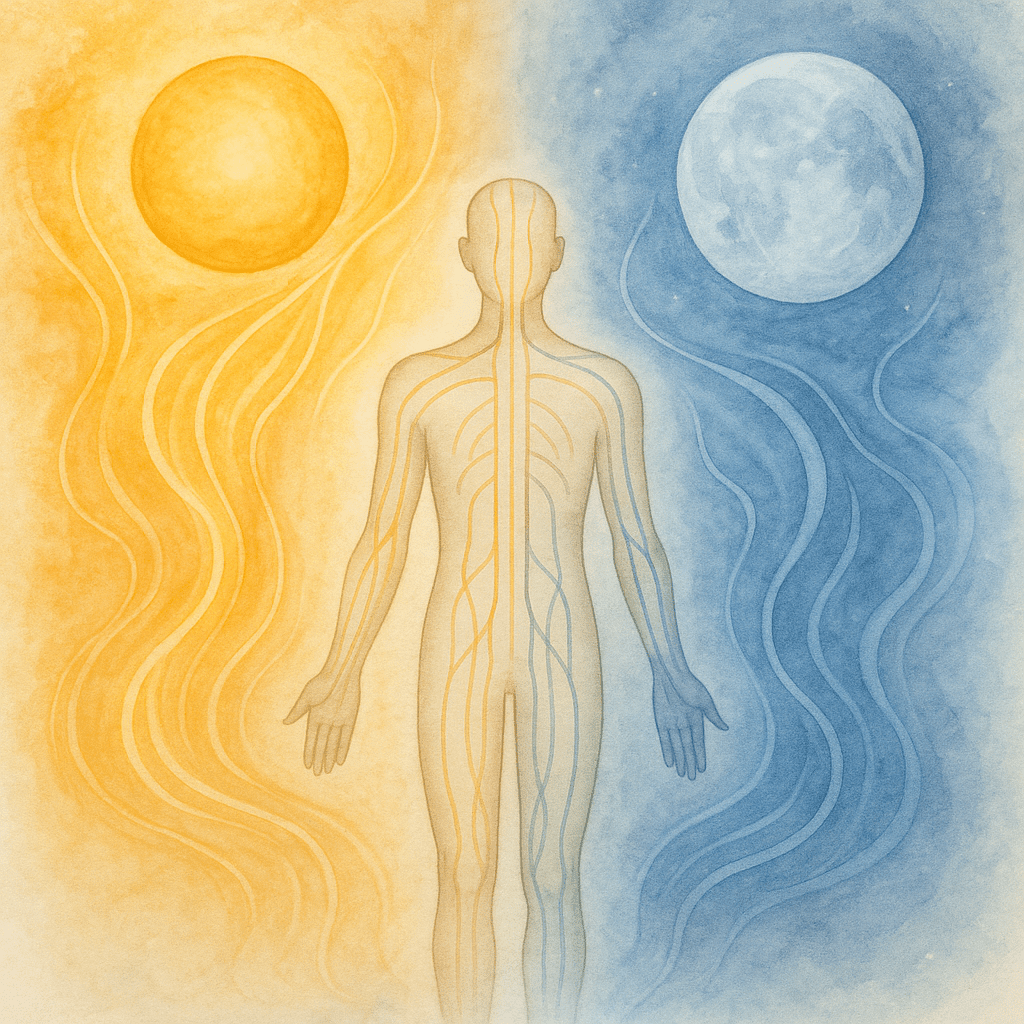
Have you ever followed a popular diet plan to the letter, only to feel bloated, exhausted, or frustrated that it simply doesn’t work for your body? You’re not alone. The truth is that the same meal plan that helps your friend lose weight effortlessly might leave you feeling sluggish and uncomfortable. This disconnect happens because generic eating plans ignore a fundamental truth: each of us has a unique body constitution that responds differently to foods.
The concept of body type diets recognizes what ancient healing traditions have known for millennia—that personalized nutrition is the key to unlocking optimal health. When you align your eating habits with your individual constitutional needs, you can transform your relationship with food, optimize digestion, sustain natural energy levels throughout the day, and manage weight without constant struggle. Rather than forcing your body to adapt to a rigid plan, you learn to nourish yourself in harmony with your inherent nature.
Understanding the Frameworks for Personalization
Several time-tested frameworks offer guidance for understanding your unique constitution and tailoring your diet accordingly. In Ayurveda, the ancient Indian system of medicine, individuals are categorized according to three primary doshas: Vata, Pitta, and Kapha. Each dosha represents a combination of elements and governs specific physical and mental characteristics.
Vata types, composed of air and space elements, tend to have lighter frames, quick minds, and variable digestion. They often experience dry skin, cold hands and feet, and may struggle with anxiety when out of balance. Pitta types, dominated by fire and water, typically have medium builds, sharp intellects, and strong digestive capacity. When imbalanced, they may experience inflammation, irritability, and overheating. Kapha types, grounded in earth and water, usually possess sturdy builds, calm temperaments, and steady energy. Their challenges often include sluggish digestion, weight gain, and lethargy.
Western science has developed its own classification system through somatotypes: ectomorphs, mesomorphs, and endomorphs. Ectomorphs are naturally lean with fast metabolisms and difficulty gaining weight. Mesomorphs have athletic builds, gain muscle easily, and maintain a balanced metabolism. Endomorphs tend to store fat more readily, have slower metabolisms, and build muscle alongside fat when training.
Modern individualized nutrition approaches go even deeper, considering genetic variations, microbiome composition, metabolic responses, and lifestyle factors. These contemporary methods validate what traditional systems have long understood—that your body’s unique blueprint determines how you process and respond to different foods.
When you understand your constitutional type through any of these frameworks, you gain invaluable insights for making food choices that support rather than fight against your natural tendencies. A Vata individual might need warming, grounding foods like cooked root vegetables and healthy fats, while a Pitta person thrives on cooling, calming options such as sweet fruits and leafy greens. Similarly, an ectomorph may require higher caloric intake with more frequent meals, whereas an endomorph benefits from portion control and foods that rev up metabolism.

The Foundation of Wellness: Supporting Your Digestive System
At the heart of personalized nutrition lies a central principle that Eastern medicine has emphasized for thousands of years: a balanced digestive system is foundational to overall wellness. In Traditional Chinese Medicine, this concept is captured in the saying “food is medicine,” recognizing that proper digestion transforms nutrients into Qi—the vital energy that powers all bodily functions.
Your digestive system does far more than break down food. It serves as the gateway through which nutrients enter your bloodstream, influences immune function, produces neurotransmitters that affect mood, and communicates constantly with your brain through the gut-brain axis. When digestion runs smoothly, you experience sustained energy, mental clarity, stable moods, and resilience against illness. When it struggles, virtually every aspect of health can suffer.
This is why monitoring your body’s responses becomes essential to refining your dietary approach over time. Pay attention to how you feel thirty minutes, two hours, and four hours after eating. Do certain foods leave you energized or depleted? Does your digestion feel comfortable, or do you experience bloating, gas, or discomfort? How is your mental focus and emotional state after meals?
These observations provide real-time feedback about whether your current eating pattern aligns with your constitutional needs. Perhaps you notice that raw salads, despite being “healthy,” leave you feeling cold and bloated—a sign that your digestive fire may need more warming, cooked foods. Or you might discover that heavy, creamy meals create sluggishness, suggesting your system functions better with lighter fare.
The beauty of this approach is its flexibility and responsiveness. Rather than rigidly following rules, you develop an intimate understanding of your body’s language. This evidence-informed method allows your dietary plan to evolve as your needs change with seasons, life stages, stress levels, and activity patterns. Your digestion becomes your most reliable guide, offering wisdom that no generic meal plan can match.
Practical Steps for Implementing Your Body Type Diet
Ready to begin eating in harmony with your unique constitution? Start with these practical steps that blend ancient wisdom with modern application.
First, identify your baseline constitution. Review the characteristics of different doshas or somatotypes and honestly assess which description resonates most with your natural tendencies. Consider taking a free TCM body constitution test to gain deeper insights. Consider your body frame, metabolism speed, digestive patterns, energy fluctuations, and emotional temperament. Most people are a combination of types, with one or two predominating. If you have access to an Ayurvedic practitioner or experienced wellness advisor, a professional assessment can provide valuable insights.
Next, develop a starter meal plan that honors your constitutional needs. This doesn’t mean overhauling everything overnight. Begin by making small, sustainable adjustments that move you toward better alignment. For example, if you identify as predominantly Vata, you might start by replacing cold smoothies with warm porridge for breakfast, adding more cooked vegetables to lunch, and ensuring dinner includes grounding root vegetables and healthy oils.
Keep a simple food journal during your first few weeks. Note what you eat, when you eat, and how you feel afterward. Track energy levels, digestive comfort, mood quality, and sleep patterns. This record becomes your personal evidence base, revealing which changes serve you and which need adjustment.
Iterate based on feedback from your body. If a particular food combination consistently creates discomfort, modify it. If you notice increased energy and better digestion when eating certain ways, emphasize those patterns. Remember that this is a dynamic, responsive process rather than a fixed destination. Your optimal eating pattern may shift with seasonal changes—craving lighter, cooling foods in summer and warmer, heartier meals in winter is your body’s natural wisdom at work.
Consider meal timing as part of your personalized approach. Ayurveda teaches that digestive fire is strongest at midday, suggesting your largest meal should align with the sun’s peak. Many people find this timing supports better digestion and sustained energy compared to eating heavy meals in the evening. Experiment with this principle and observe your body’s response.
Food and Macro Patterns for Different Body Types
While individual variation always exists, certain general patterns align well with different constitutional types. These suggestions offer starting points for building meals that support your unique needs.
For Vata types and ectomorphs, emphasize warm, moist, grounding foods that calm the nervous system and support steady energy. Include cooked whole grains like oatmeal and rice, root vegetables such as sweet potatoes and carrots, warming spices like ginger and cinnamon, healthy fats from avocados and nuts, and protein from eggs and legumes. Aim for higher fat intake (around 40% of calories) and adequate protein (30-35%) to provide sustained energy. Eat regularly, avoiding long gaps between meals that can destabilize Vata energy.
Pitta types and mesomorphs thrive on cooling, moderately heavy foods that balance their natural intensity. Focus on sweet fruits like melons and pears, leafy greens and cruciferous vegetables, whole grains such as quinoa and barley, moderate amounts of high-quality protein from fish and legumes, and cooling herbs like cilantro and mint. These individuals often do well with balanced macros—roughly equal portions of protein, healthy fats, and complex carbohydrates. Avoid excessive spicy, fried, or acidic foods that can aggravate Pitta’s fire element.
Kapha types and endomorphs benefit from lighter, warming, stimulating foods that support metabolism and prevent stagnation. Emphasize bitter greens like kale and dandelion, warming spices such as black pepper and turmeric, lighter proteins like white fish and lentils, plenty of vegetables with minimal oils, and metabolism-boosting foods like green tea. A higher protein intake (around 40% of calories) with moderate healthy fats (30%) and lower complex carbohydrates (30%) often supports energy and weight management. Avoid heavy, oily, or excessively sweet foods.
Regardless of type, prioritize quality over everything. Choose whole, minimally processed foods whenever possible. Honor seasonality by eating what grows naturally in your local environment during each season—this traditional wisdom aligns your body with nature’s rhythms. Incorporate all six tastes recognized in Ayurveda (sweet, sour, salty, bitter, pungent, and astringent) throughout your day for complete satisfaction and nutritional balance.

Important Considerations and When to Seek Professional Guidance
While body type frameworks offer valuable guidance, it’s crucial to recognize their limitations. No classification system can capture the full complexity of your individual biochemistry. Genetics, medical conditions, medications, stress levels, sleep quality, physical activity, and countless other factors influence your nutritional needs.
If you have chronic digestive issues, autoimmune conditions, diabetes, cardiovascular disease, or any ongoing health concerns, consult with qualified healthcare professionals before making significant dietary changes. A registered dietitian, naturopathic doctor, or integrative medicine practitioner can help you navigate the intersection between your constitutional type and specific medical needs.
Food sensitivities and intolerances also require individualized attention. You might be a Pitta type who theoretically thrives on dairy, but if you’re lactose intolerant, that recommendation doesn’t serve you. Always honor your body’s direct responses over theoretical guidelines.
This is where innovative tools like HerbalsZen’s EastChi AI can provide valuable support. By combining the time-tested wisdom of Traditional Chinese Medicine with modern artificial intelligence, EastChi AI offers personalized wellness guidance based on your unique constitution, symptoms, and lifestyle factors. Rather than generic advice, you receive tailored recommendations that honor both ancient principles and contemporary nutritional science, helping you navigate the path to optimal health with greater clarity and confidence.
Remember that body type eating is meant to empower, not restrict you. If categorizing yourself creates anxiety or obsessive behavior around food, step back. The goal is greater harmony with your body, not perfection or rigid adherence to rules. Trust your innate wisdom alongside external frameworks.
Embracing Your Unique Path to Wellness
The journey toward optimal health is not found in following the latest trending diet or copying someone else’s meal plan. It lies in understanding and honoring your unique constitution—the distinctive combination of physical characteristics, metabolic patterns, and energetic qualities that make you who you are.
When you align your eating habits with your body’s inherent nature, something remarkable happens. Food stops being a source of confusion or struggle and becomes genuine nourishment. Digestion improves, bringing comfort rather than discomfort after meals. Energy stabilizes throughout the day, eliminating the rollercoaster of crashes and cravings. Your natural weight finds balance without constant restriction. Even your mood and mental clarity benefit from giving your body what it truly needs.
This personalized approach bridges the wisdom of ancient healing traditions with modern nutritional science. Whether you draw from Ayurvedic doshas, Western somatotypes, or contemporary individualized nutrition methods, the core message remains consistent: your body is unique, and your eating pattern should reflect that uniqueness.
Start today with small, thoughtful changes. Listen to your body’s signals. Trust the feedback you receive from your digestion, energy, and overall wellbeing. Be patient with the process of discovery, knowing that finding your optimal eating pattern is a journey rather than an instant destination.
In a world that constantly pushes one-size-fits-all solutions, choosing personalization is an act of self-respect and wisdom. Your body has been communicating its needs all along—now you have the framework to understand its language. Embrace this harmonious approach to nutrition, and experience the difference that eating for your unique constitution can make in every aspect of your life.