Have you ever felt like you’re stuck in an endless loop with your digestive health? You try elimination diets, probiotics, and every new supplement that promises relief, yet somehow those uncomfortable symptoms keep returning. The bloating after meals, the unpredictable bathroom schedule, the constant fatigue that follows eating—it’s exhausting and frankly, frustrating. You’re not alone in this struggle, and there might be a reason why Western approaches sometimes fall short of providing lasting solutions.
What if the answer lies not just in what you eat, but in understanding the deeper imbalances within your body? Eastern medicine offers a fascinating lens through which to view digestive issues—one that looks beyond isolated symptoms and seeks to restore harmony to your entire system.
The Eastern Perspective: Your Digestion is More Than Just Your Stomach
In Eastern medicine, particularly traditional Chinese medicine, your digestive system isn’t simply a tube that processes food. It’s viewed as the central powerhouse of your entire body’s energy. At the heart of this system are two key players: the Spleen and Stomach, working together like dance partners who must move in perfect synchrony.
The Stomach is responsible for receiving food and beginning the breakdown process—think of it as the “rotting and ripening” stage where food is transformed. The Spleen then takes over, extracting the pure essence from what you’ve eaten and distributing this nourishment throughout your body. When these two organs work harmoniously, you feel energized, your digestion flows smoothly, and your body thrives.
But here’s where it gets interesting: this process depends entirely on something called Qi—your body’s vital energy. Qi needs to flow in specific directions for optimal digestion. Your Stomach Qi should descend, moving food downward through your digestive tract. Your Spleen Qi should ascend, lifting nutrients upward to nourish your organs and create blood and energy. When this flow gets disrupted, that’s when digestive issues begin to surface and persist.
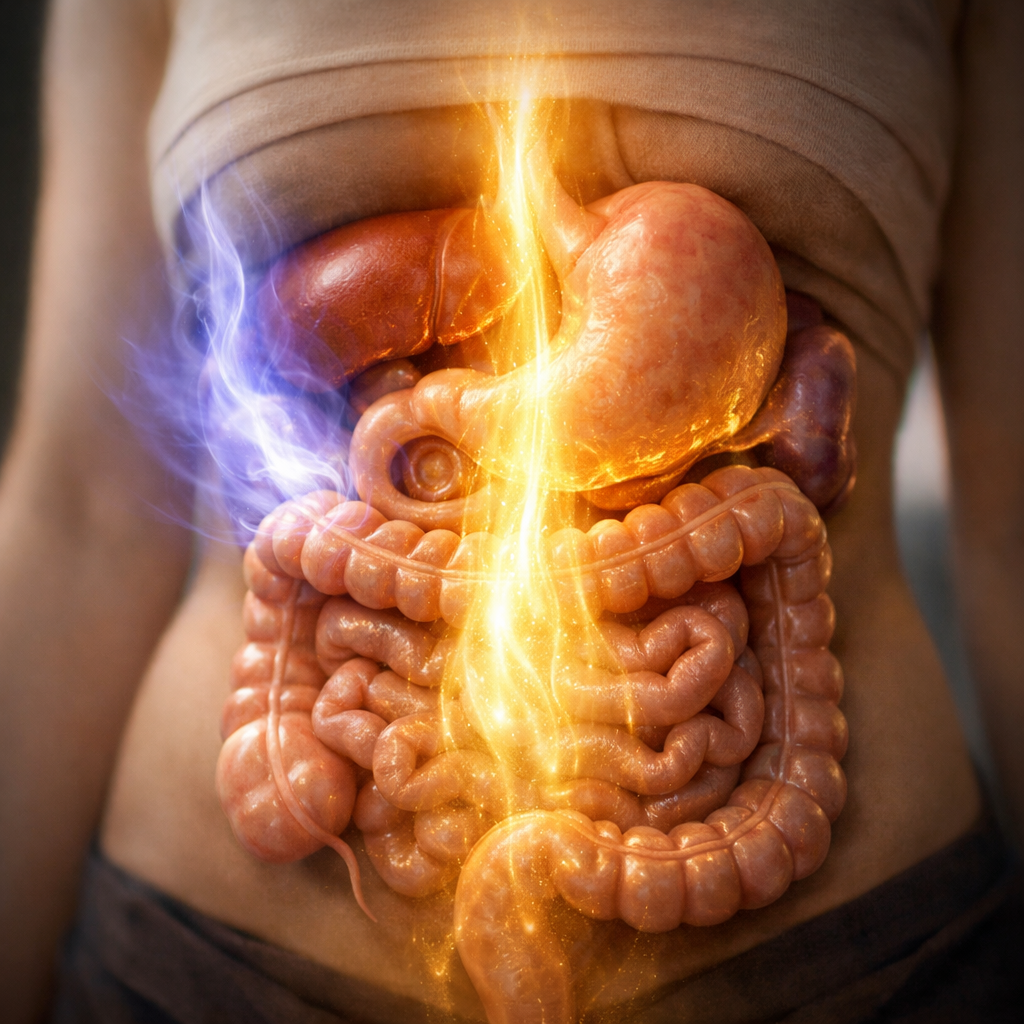
One of the most common root causes of recurring digestive issues is something called Spleen Qi deficiency. Imagine your Spleen as the CEO of a company that’s been working overtime without proper support—eventually, it becomes exhausted and can’t perform its duties effectively. When your Spleen Qi is weak, food sits in your stomach longer than it should, creating that uncomfortable fullness and bloating hours after eating. You might notice loose stools, fatigue that’s especially pronounced after meals, and a general sense of mental fog. Your body is literally struggling to transform the food you eat into usable energy.
Stomach disharmony, on the other hand, often manifests when your Stomach Qi rebels and moves upward instead of downward. This is what causes acid reflux, nausea, belching, and that uncomfortable feeling of food getting “stuck.” Think of it like traffic on a one-way street suddenly trying to move in the wrong direction—chaos ensues.
The Hidden Culprits: Dampness, Heat, and Cold
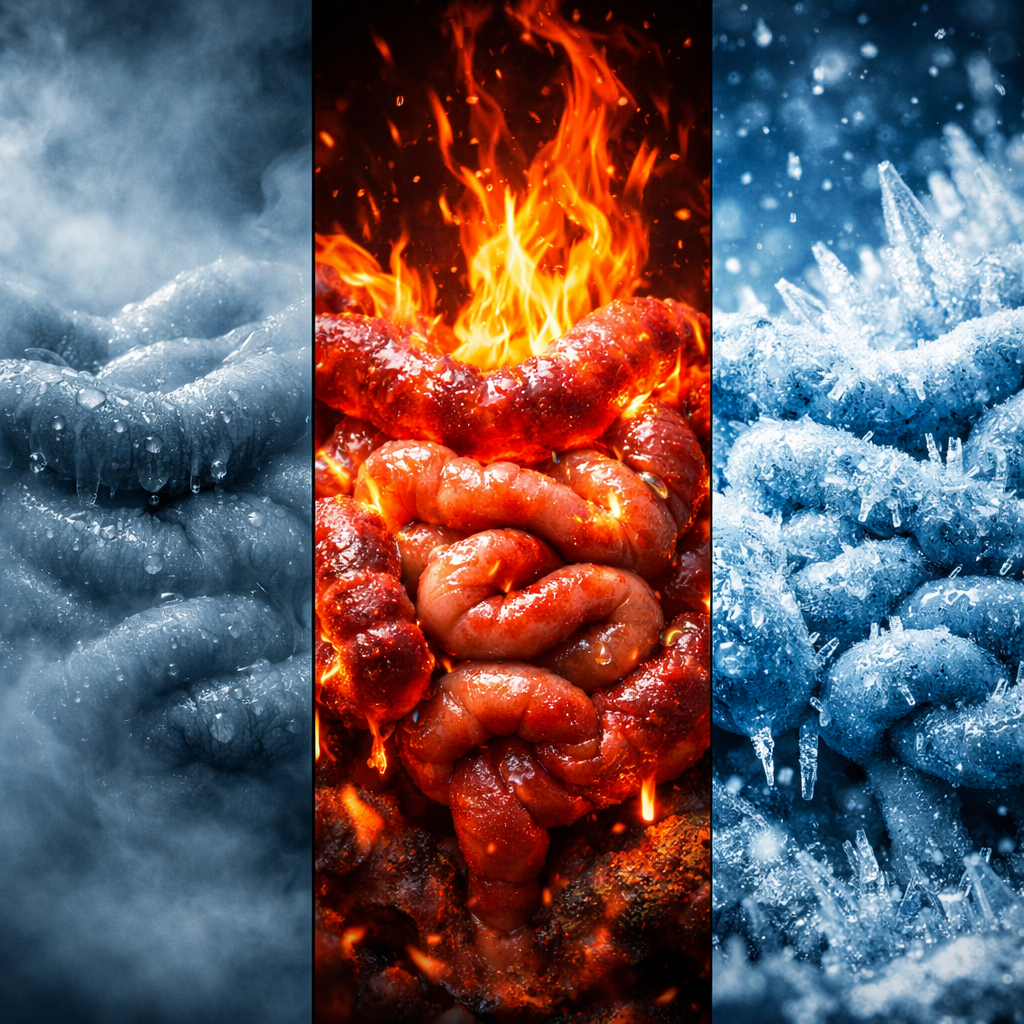
Now let’s dive deeper into what actually causes these imbalances. Eastern medicine identifies three particularly troublesome patterns that wreak havoc on digestion: Dampness, Heat, and Cold.
Dampness is perhaps the most common pattern affecting modern digestive health. Picture a soggy sponge—heavy, slow, and unable to absorb anything new. That’s what happens when Dampness accumulates in your digestive system. This pattern often results from a weakened Spleen that can no longer properly transform fluids and moisture. You’ll recognize Dampness through symptoms like a heavy feeling in your abdomen, sticky or loose stools, excessive mucus, brain fog, and that persistent bloated feeling no matter what you eat. Many people describe it as feeling like they’re “moving through molasses“—everything feels sluggish and stuck.
Dampness loves certain foods: greasy takeout, excessive dairy, cold beverages, and too many raw salads can all contribute to its accumulation. In our modern world of sedentary lifestyles and processed foods, Dampness has become epidemic.
Heat in the digestive system creates an entirely different experience. This pattern brings inflammation, irritation, and restlessness. When Heat invades your Stomach, you might experience burning sensations, acid reflux that feels like fire creeping up your throat, intense hunger followed by nausea, bad breath, and constipation with dry, hard stools. Heat often develops from eating too much spicy, fried, or greasy food, from stress (which generates internal heat), or from alcohol consumption.
A 45-year-old client once shared how her constant heartburn and irritability vanished once she addressed the Heat pattern in her Stomach. She had been living on coffee, spicy takeout, and working 12-hour days—a perfect recipe for generating internal Heat.
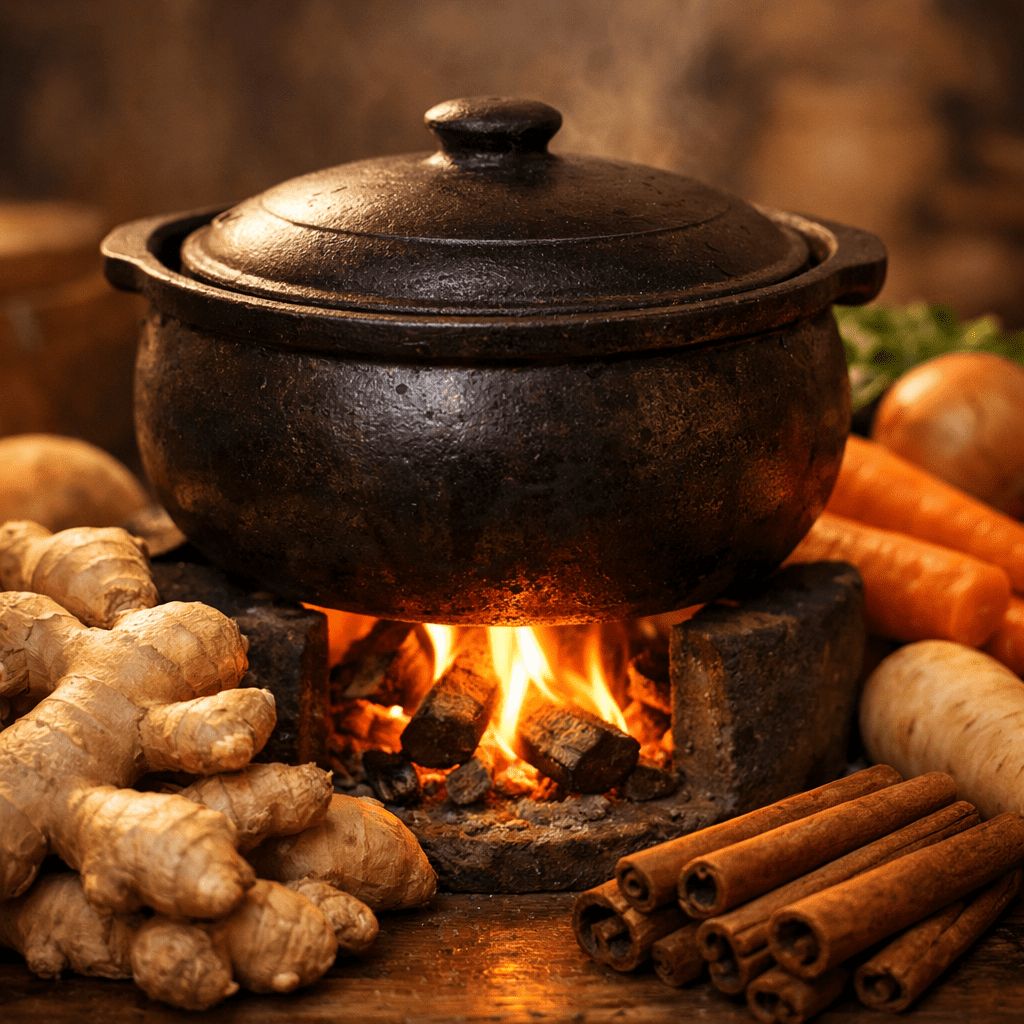
Cold in the digestion manifests as cramping pains that feel better with warmth, watery diarrhea, lack of thirst, and feeling cold in general. Cold can come from eating too many chilled or raw foods, especially during cooler months, or from an underlying weakness in your body’s warming function. Think of your digestive system as needing a gentle, sustained flame to properly “cook” your food—Cold dampens this flame, leaving food partially processed and creating discomfort.
Here’s something particularly important: your emotions play a massive role in digestive health through what’s called Liver Qi. The Liver governs the smooth flow of Qi throughout your entire body, and it’s extremely sensitive to emotional stress. When you’re anxious, frustrated, or overwhelmed, your Liver Qi becomes “stagnant”—like a traffic jam of energy that then interferes with your Spleen and Stomach’s ability to function.
Have you ever noticed how stress immediately affects your digestion? That’s Liver Qi disrupting the harmonious flow. Simple daily habits rooted in TCM principles can help restore this balance. Some people get diarrhea before important meetings, others lose their appetite during stressful periods, and many experience that tight, knotted feeling in their stomach when worried. This isn’t “just in your head”—it’s the direct physical manifestation of emotional energy affecting your digestive organs.
Lifestyle and Diet: The Daily Choices That Matter
From an Eastern medicine perspective, recurring digestive issues often trace back to how we eat and live, not just what we eat. The modern habit of eating on-the-go, while scrolling through phones, or skipping meals entirely goes directly against the principles of digestive health.
Your Spleen thrives on regularity and warmth. Eating at consistent times each day allows your digestive system to prepare and function optimally. Skipping breakfast, then binging at night, confuses your body’s natural rhythms and weakens your Spleen Qi over time.
Temperature matters tremendously. While cold smoothies and iced coffee might be trendy, they require your body to work overtime to warm them to body temperature before digestion can even begin. This is like asking your digestive system to run a marathon carrying extra weight—eventually, it gets exhausted. Favoring warm, cooked foods—especially soups, stews, and gently sautéed vegetables—supports your Spleen’s natural warmth and makes digestion easier. Learn more about Traditional Chinese Medicine foods for Spleen health.
Here are some practical tips aligned with Eastern wisdom:
- Start your day with warm foods like congee, oatmeal, or soup rather than cold cereal or smoothies
- Eat your largest meal at midday when your digestive fire is strongest
- Chew thoroughly and eat without distractions—mindful eating supports proper Qi flow
- Include warming spices like ginger, cinnamon, and cardamom to support digestive function
- Avoid drinking large amounts of liquid during meals, as it dilutes digestive enzymes
Movement is equally important, but not in the way you might think. Intense exercise right after eating diverts Qi away from digestion to your muscles. Instead, take a gentle 10-15 minute walk after meals. This simple practice helps Stomach Qi descend naturally and keeps food moving smoothly through your system. Avoid lying down immediately after eating, as this disrupts the proper flow of Qi.
Gentle practices like Tai Chi, Qigong, or even simple breathing exercises help regulate your body’s Qi flow and support overall digestive function. These aren’t just exercises—they’re medicine for your energy system.
Ancient Wisdom Meets Modern Science
You might be wondering: does any of this actually align with modern scientific understanding? Remarkably, yes. Recent research into the gut microbiome has revealed striking parallels with Eastern medicine’s ancient concepts.
The idea of Dampness, for instance, correlates with what modern science identifies as inflammation and dysbiosis in the gut. When your gut bacteria are out of balance, you experience many of the same symptoms Eastern medicine attributes to Dampness: bloating, brain fog, and sluggish digestion. The Spleen’s role in transforming nutrients mirrors our current understanding of how gut health affects nutrient absorption and immune function.
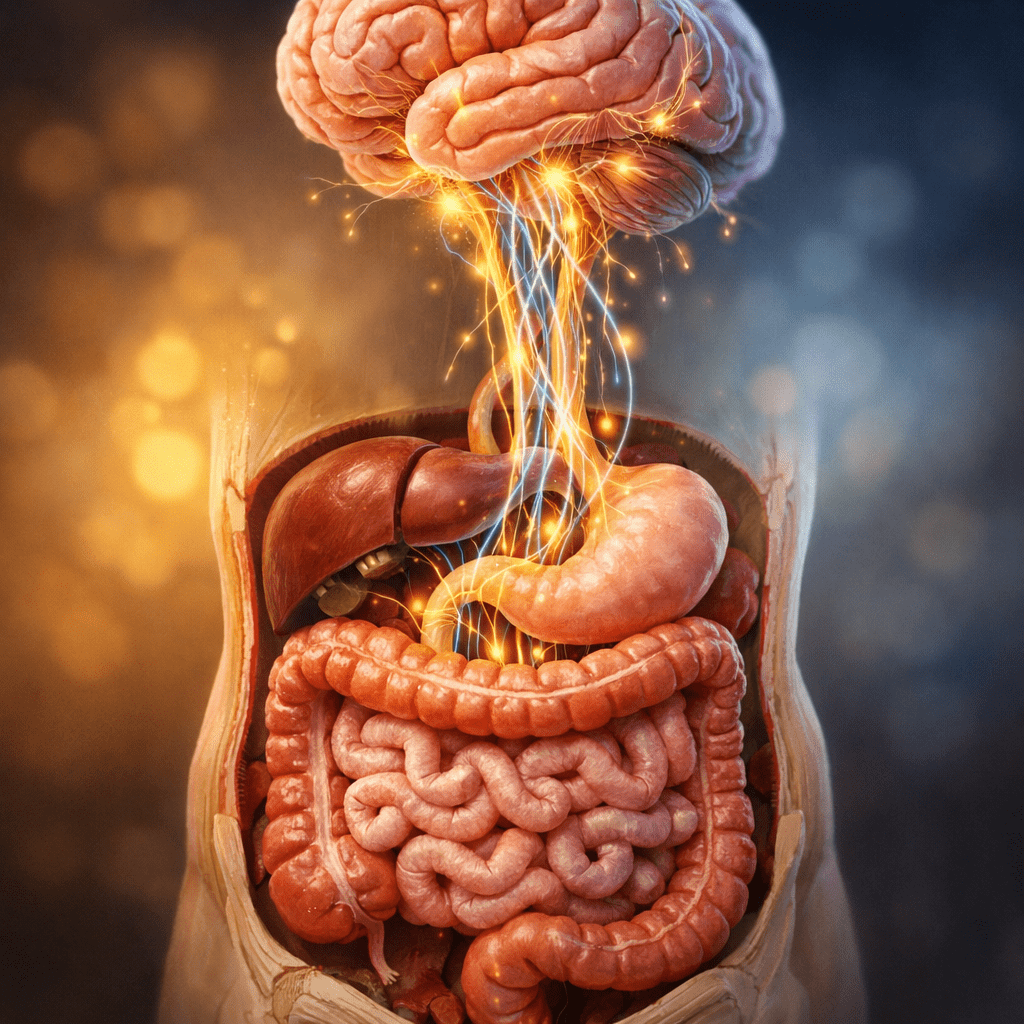
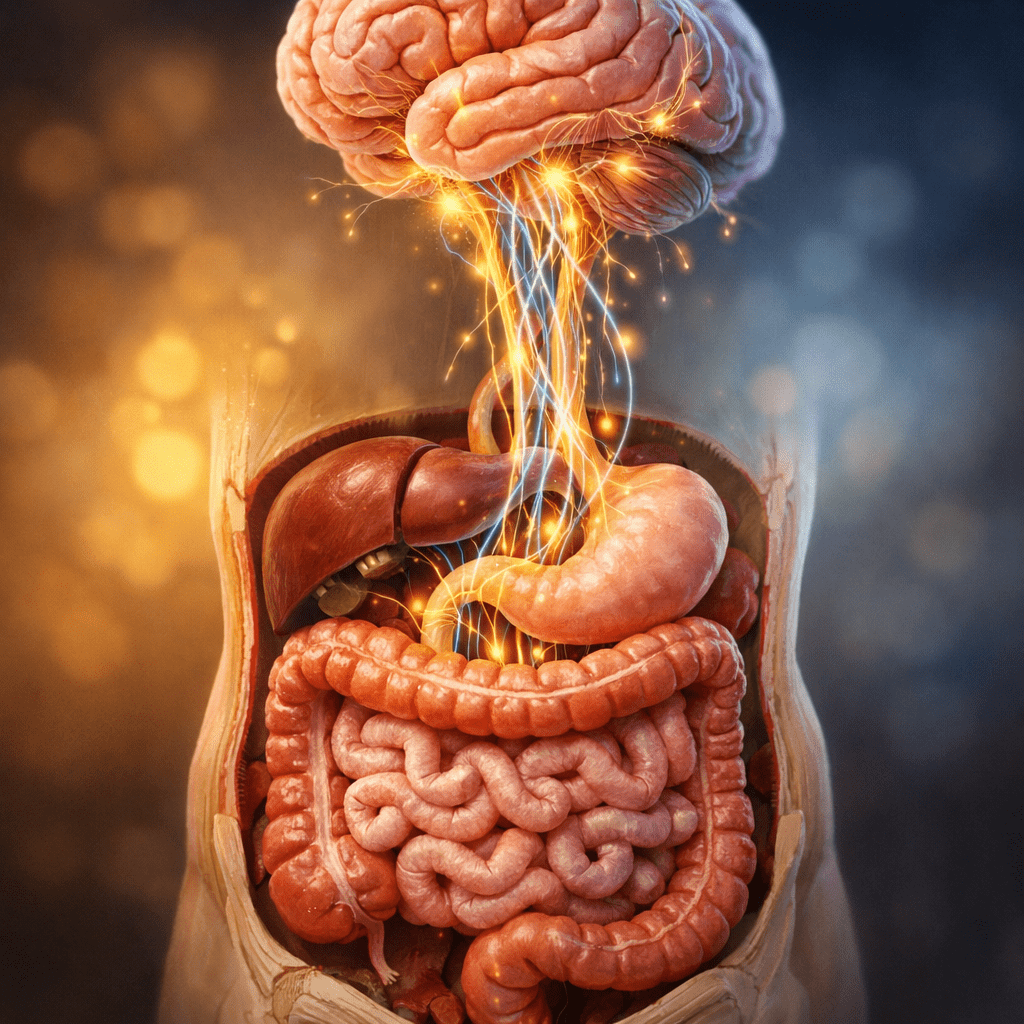
The connection between stress and digestive issues—what Eastern medicine explains through Liver Qi affecting the Spleen—is now well-documented in research on the gut-brain axis. Scientists have confirmed that emotional stress directly impacts gut motility, stomach acid production, and the intestinal barrier function. Research from leading universities on the gut-brain axis validates these ancient observations. Your gut literally has its own “nervous system” that communicates constantly with your brain.
Traditional practices like eating warm foods and chewing thoroughly also have scientific backing. Warm foods are easier to digest because they don’t require your body to expend energy heating them first. Thorough chewing increases the surface area of food and mixes it with digestive enzymes in your saliva, making the entire digestive process more efficient.
Even the emphasis on regular meal timing aligns with chronobiology research showing that our digestive enzymes and hormones follow circadian rhythms. Eating at consistent times optimizes these natural cycles.
What makes Eastern medicine particularly valuable is its holistic, individualized approach. Rather than treating all digestive issues with the same protocol, it recognizes that your specific pattern—whether Dampness, Heat, Cold, or a combination—requires different strategies. Two people with “IBS” might have completely different underlying patterns and therefore need different approaches to achieve lasting relief. Understanding your unique body constitution is the first step toward personalized healing.
Finding Your Path to Digestive Harmony
The beauty of Eastern medicine’s approach to digestive health lies in its recognition that you are unique. Your specific pattern of imbalance, your body constitution, your lifestyle, and even your emotional tendencies all factor into creating a truly personalized path toward wellness.
This is why cookie-cutter solutions often fail—they don’t account for your individual constitution. One person might need to clear Dampness and warm their digestion, while another requires cooling strategies to address Heat. Some need to strengthen weak Spleen Qi, while others must smooth Liver Qi to reduce stress’s impact on digestion.
If you’ve been struggling with recurring digestive issues despite trying various approaches, it might be time to look deeper. Explore our comprehensive guide on digestive health and the gut-mind connection for holistic solutions. Consider seeking guidance from qualified practitioners who understand traditional Eastern medicine principles. They can help identify your specific pattern and create recommendations tailored to your unique needs.
Platforms like HerbalsZen are making this ancient wisdom more accessible by combining traditional knowledge with modern technology, offering personalized insights based on your individual constitution and symptoms. The integration of time-tested Eastern principles with contemporary understanding creates a comprehensive approach to digestive wellness.
Remember, healing digestive issues isn’t about finding a quick fix—it’s about restoring balance and harmony to your entire system. By addressing the root imbalances rather than just suppressing symptoms, Eastern medicine offers a pathway to lasting digestive health. Your body has an incredible capacity to heal when given the right support, nourishment, and conditions to restore its natural balance.
The wisdom is ancient, but its relevance has never been greater. In our fast-paced modern world filled with processed foods, chronic stress, and irregular habits, these principles offer a roadmap back to the digestive harmony your body is designed to maintain. The question isn’t whether these imbalances exist—it’s whether you’re ready to address them at their root and finally break free from the cycle of recurring digestive issues.