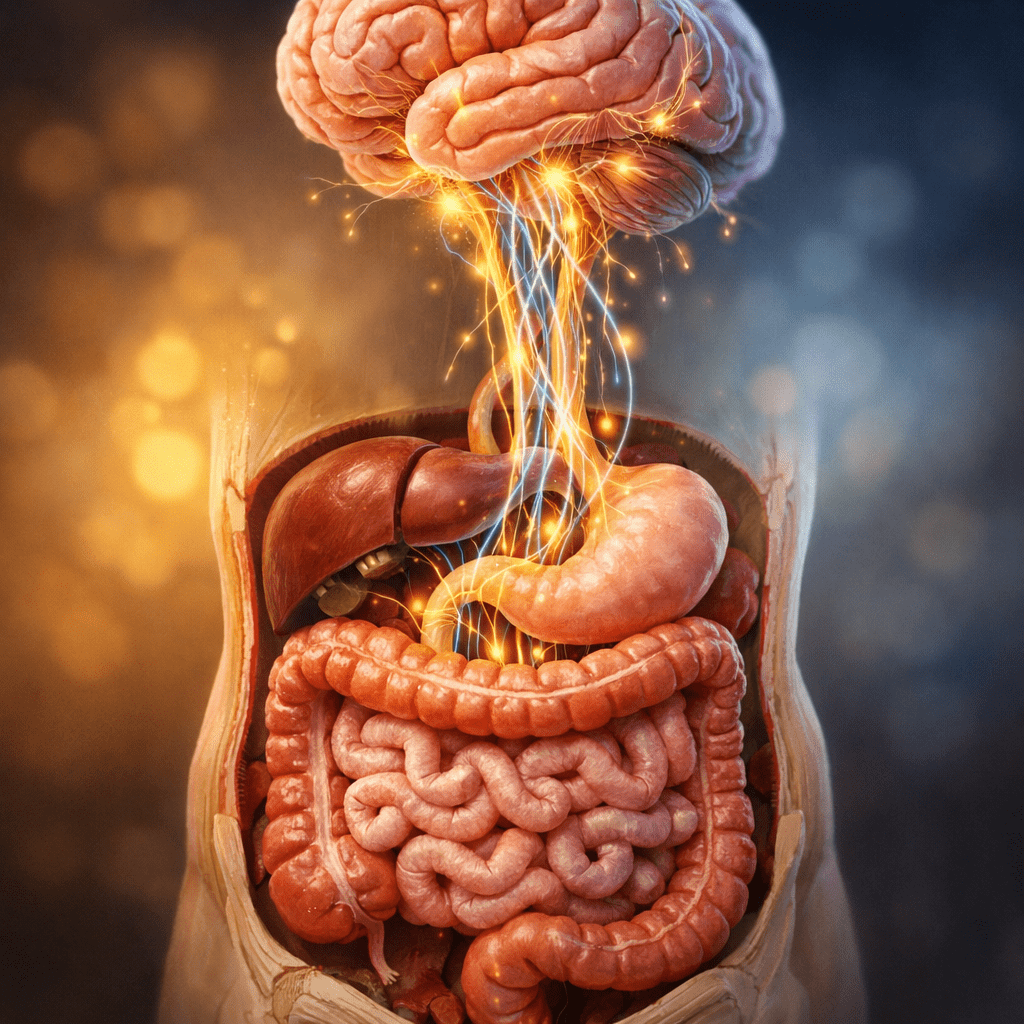
Your gut is far more than a simple food processing plant. It’s a complex ecosystem teeming with trillions of microorganisms that influence nearly every aspect of your health—from how well you digest food to how clearly you think and feel. Scientists are discovering that the gut microbiome, this invisible community living within us, acts as a silent conductor orchestrating functions we never imagined were connected.
When your gut health thrives, you experience vibrant energy, mental clarity, and emotional balance. When it struggles, the effects ripple outward—bloating, fatigue, brain fog, mood swings, and weakened immunity become unwelcome companions. Understanding how your microbiome shapes your wellbeing is the first step toward reclaiming control over your health naturally.
The diversity of your gut microbiome matters profoundly. 🌳 Think of it as a rainforest: the more varied the species, the more resilient the ecosystem. Research shows that people with diverse gut bacteria experience better digestion, stronger immune responses, and even improved mental health. These microbes work tirelessly, breaking down fibers, producing vitamins, protecting against harmful invaders, and communicating with nearly every system in your body. They’ve been called your “second brain” for good reason—the gut and brain maintain constant conversation through what scientists call the gut-brain axis.

The Science Behind Your Inner Ecosystem
Deep within your digestive tract, something remarkable happens when beneficial bacteria feast on the fiber you consume. They produce compounds called short-chain fatty acids, or SCFAs. The three main players—acetate, propionate, and butyrate—together account for over 95% of SCFAs in your gut, and each serves vital functions.
Butyrate acts as the primary fuel source for cells lining your colon, keeping your gut barrier strong and healthy. This matters more than you might think. A compromised gut lining, often called “leaky gut,” allows unwanted particles to slip into your bloodstream, triggering inflammation throughout your body. This inflammation doesn’t stay localized—it can manifest as joint pain, skin issues, brain fog, and even mood disturbances.
Acetate, the most abundant SCFA, travels beyond your gut to support metabolic health and help regulate appetite. Propionate works on metabolism and may influence how your body stores fat. Together, these SCFAs reduce inflammation, strengthen your immune system, and even influence neurotransmitter production—the chemical messengers that determine your mood and mental state.
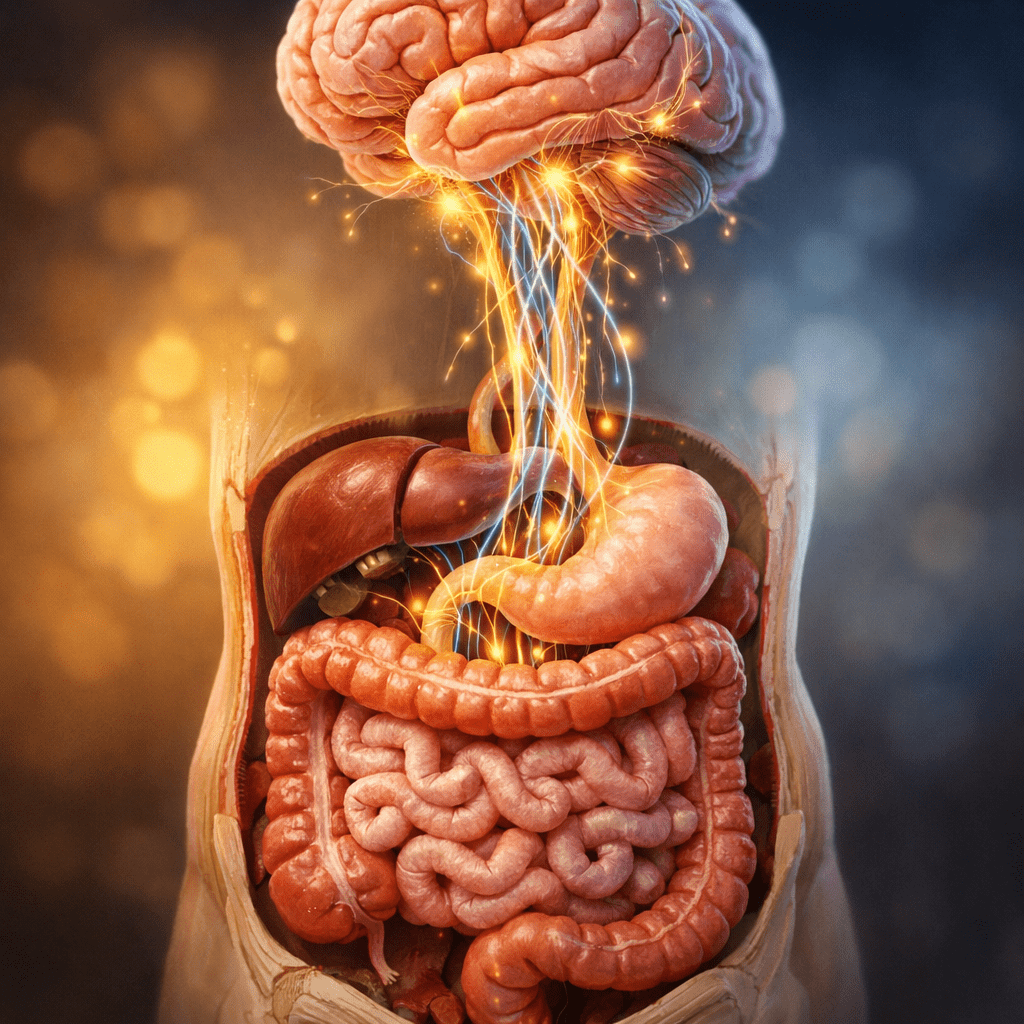
The gut-brain axis represents one of medicine’s most fascinating discoveries. Your gut produces about 95% of your body’s serotonin, the neurotransmitter most associated with happiness and wellbeing. When gut health falters, this production can decline, potentially contributing to anxiety and depression. The vagus nerve, running from your brain to your abdomen, serves as the primary communication highway. Signals travel both directions—your brain influences your gut, and your gut profoundly influences your brain.
Consider this: studies show that people with diverse, healthy gut microbiomes report better moods, less anxiety, and improved stress resilience. Meanwhile, those with compromised gut health experience higher rates of depression and cognitive difficulties. Your gut truly shapes how you feel and think.
Nourishing Your Microbiome Through Food
The most powerful tool for transforming gut health sits on your plate three times a day. Your dietary choices directly determine which bacteria thrive and which decline. Fortunately, the microbiome responds quickly to positive changes—sometimes within days of dietary shifts.
💎 Fiber stands as the cornerstone of gut health. Research from the NIAID Microbiome Program demonstrates how dietary fiber directly influences microbial diversity. Most adults need 25-35 grams daily, yet average intake falls far short. Dietary fiber acts as fuel for beneficial bacteria, allowing them to multiply and produce those crucial SCFAs. Excellent sources include vegetables like broccoli, Brussels sprouts, and leafy greens; fruits such as apples, berries, and pears; whole grains like oats and quinoa; and legumes including lentils, chickpeas, and black beans.
⚠️ Start gradually if your current fiber intake is low. Sudden increases can cause temporary bloating as your microbiome adjusts. Add an extra serving of vegetables to lunch, swap white rice for brown, or incorporate a handful of berries into breakfast. Your gut will adapt, and discomfort will fade as beneficial bacteria populations grow.
Prebiotics deserve special mention. These specialized fibers specifically nourish beneficial bacteria. Foods rich in prebiotics include garlic, onions, leeks, asparagus, bananas, and Jerusalem artichokes. Even small amounts make a difference—a clove of garlic in your stir-fry or sliced banana on your oatmeal provides meaningful support.
Fermented foods introduce live beneficial bacteria directly into your system. Yogurt with live cultures, kefir, sauerkraut, kimchi, miso, and kombucha have been dietary staples in traditional cultures for centuries. Modern research validates their wisdom—regular consumption of fermented foods increases microbial diversity and reduces inflammation markers. Aim for a small serving daily, whether that’s a few forkfuls of sauerkraut with dinner or a glass of kefir as a snack.
Hydration plays an underappreciated role in gut health. Water helps fiber move smoothly through your digestive system and supports the mucosal lining protecting your gut wall. Aim for eight glasses daily, more if you’re active or live in a warm climate. Herbal teas count toward this goal and offer additional benefits—ginger tea soothes digestion, while peppermint tea can ease bloating.
Equally important is what you minimize. Processed foods, excessive sugar, and artificial sweeteners can harm beneficial bacteria while encouraging problematic species. These foods promote inflammation and weaken gut barrier function. You needn’t eliminate them entirely, but making whole foods your foundation creates an environment where healthy bacteria flourish.
Ancient Wisdom Meets Modern Understanding
Traditional Chinese Medicine has recognized the centrality of digestion to overall health for over two thousand years. In TCM philosophy, the Spleen and Stomach serve as the body’s central organs of transformation, converting food into Qi—the vital life energy flowing through all living things. When these organs function harmoniously, energy flows freely, digestion proceeds smoothly, and health radiates throughout the body.
TCM teaches that digestive strength determines how well your body extracts nutrition from food and how effectively it eliminates waste. Weak digestion creates dampness—a concept describing sluggish metabolism, fluid retention, and accumulation of waste products that burden the body. Symptoms of spleen dampness include bloating, loose stools, fatigue, brain fog, and a thick coating on the tongue.
The TCM approach to strengthening digestion emphasizes warm, easily digestible foods. Cold and raw foods require more digestive energy to process, potentially overwhelming a weakened system. Cooked vegetables, warm soups, bone broths, and gently stewed foods support the Spleen’s transformative function. This doesn’t mean avoiding all raw foods—it means finding balance based on your constitution and current condition.
Warming spices play a therapeutic role in TCM digestive support. Ginger stimulates digestive fire, reduces nausea, and dispels cold accumulation. Fresh ginger tea before meals can enhance digestive capacity. Fennel seeds relieve bloating and gas while promoting smooth Qi flow. Cinnamon warms the digestive system and supports metabolic function. Turmeric, with its anti-inflammatory properties, reduces gut inflammation while supporting liver function—crucial since TCM views the liver as governing smooth Qi flow throughout the body.
Chinese yam, a traditional food medicine, tonifies the Spleen and strengthens digestive function. Licorice root harmonizes other herbs and soothes the digestive tract. These aren’t quick fixes but gentle, nourishing supports that work with your body’s natural healing capacity over time.
TCM also emphasizes mindful eating practices. Eating slowly, chewing thoroughly, and avoiding meals when emotionally upset allows the Spleen to perform its transformative work efficiently. Eating until 80% full prevents overburdening the digestive system—a practice modern research increasingly validates for metabolic health.
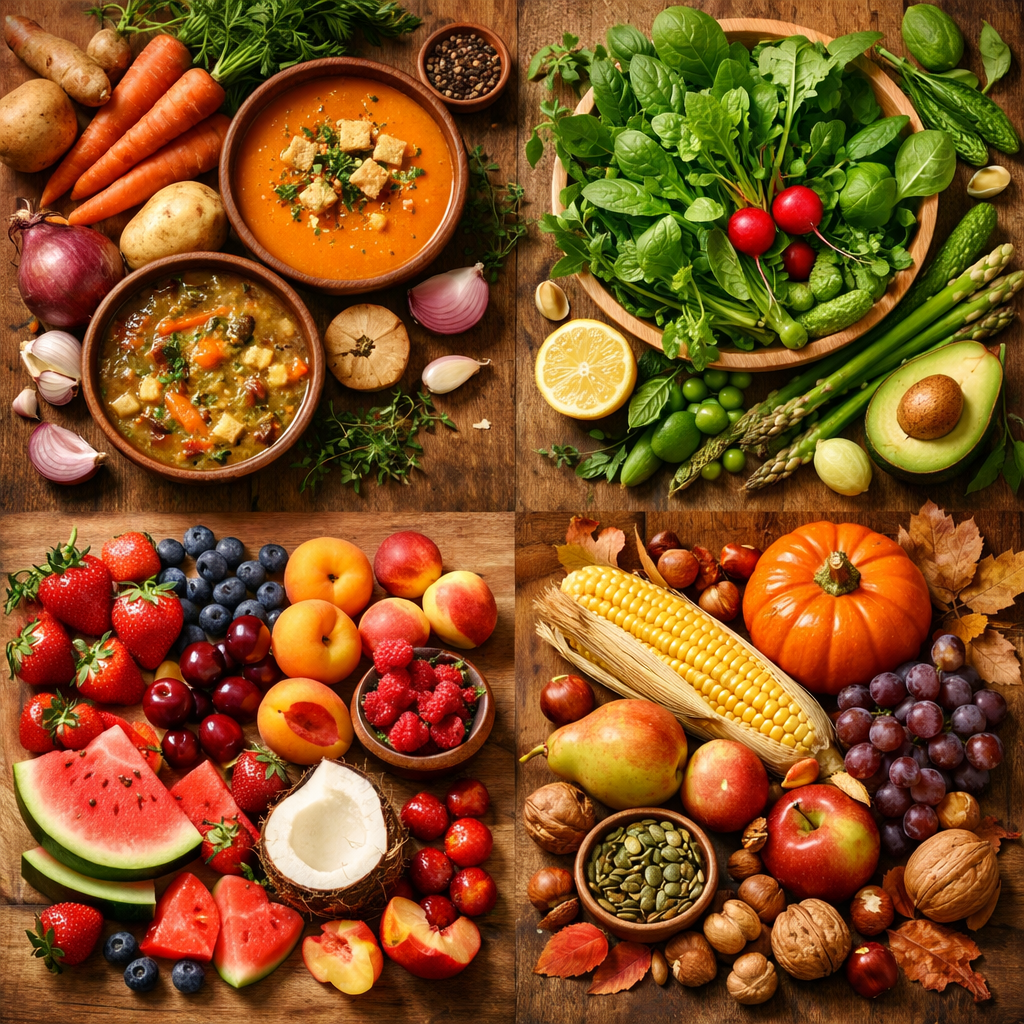
The concept of eating according to season aligns with nature’s rhythms. In winter, warming, nourishing foods like root vegetables and hearty soups support the body’s inward, conserving energy. Summer calls for lighter, cooling foods that prevent excess heat accumulation. This seasonal awareness helps maintain balance throughout the year.
Integrating East and West for Personalized Wellness
The most powerful approach to gut health combines traditional wisdom with modern nutritional science, tailored to your unique constitution and current needs. What works perfectly for one person may not suit another—recognizing this individuality represents both Eastern medicine’s strength and the frontier of personalized nutrition.
Begin by observing your body’s signals. Do you feel energized or sluggish after meals? Do certain foods consistently cause bloating or discomfort? Does your digestion improve with warm foods or raw foods? Your body provides constant feedback if you learn to listen.
A practical integration might look like this: base your diet on whole, fiber-rich foods validated by modern research, while incorporating TCM principles of warmth and digestibility according to your constitution. Someone with strong digestion might thrive on raw salads, while someone with weaker digestive fire might achieve better results from lightly cooked vegetables and warming spices.
Consider your emotional and stress patterns. The gut-brain axis means digestive health and mental wellbeing intertwine inseparably. TCM recognizes that stress affects the liver’s ability to regulate Qi flow, which in turn impacts digestion. Modern science confirms that chronic stress damages gut microbiome diversity and increases intestinal permeability. Incorporating stress management—whether through meditation, gentle exercise, or time in nature—directly benefits your gut.
Adequate sleep proves non-negotiable for gut health. Your microbiome follows circadian rhythms just as you do. Disrupted sleep patterns alter bacterial composition and reduce beneficial species. Aim for seven to nine hours nightly, maintaining consistent sleep and wake times even on weekends.
Physical activity stimulates beneficial bacteria and improves gut motility. You needn’t run marathons—regular walking, gentle yoga, or tai chi provides meaningful benefits while supporting the smooth Qi flow emphasized in TCM.
When persistent digestive issues continue despite lifestyle changes, seek professional guidance. Some conditions require medical evaluation and treatment. A healthcare provider knowledgeable in both conventional and integrative approaches can help identify underlying issues while respecting your preference for natural, holistic solutions.
Your Path Forward: Practical Steps for Lasting Change
Transforming gut health happens through consistent, manageable actions rather than dramatic overhauls. Start where you are and build gradually.
Today, you can make simple choices: drink an extra glass of water, add vegetables to lunch, or brew a cup of ginger tea with dinner. These small actions signal your commitment to change and begin shifting your internal environment immediately.
This week, expand your efforts. Visit a farmers market and select three new vegetables to try. Purchase a jar of sauerkraut or kimchi and add a small serving to meals. Swap one processed snack for whole food alternatives—apple slices with almond butter, carrot sticks with hummus, or a handful of nuts.
Over the coming month, establish sustainable patterns. Plan meals around fiber-rich whole foods. Experiment with fermented foods until you find ones you enjoy. Notice how different foods affect your energy and digestion, adjusting accordingly. Set a consistent sleep schedule. Find movement practices that bring joy rather than feeling like obligations.
Track your progress through how you feel rather than rigid rules. Improved energy, better mood, clearer thinking, and comfortable digestion signal your microbiome is healing. These changes may appear gradually, but their cumulative impact transforms your daily experience.
Remember that setbacks happen and perfection isn’t the goal. A weekend of less-than-ideal eating doesn’t undo weeks of progress. Your microbiome demonstrates remarkable resilience when you return to supportive habits. Progress unfolds as a spiral, not a straight line.
Consider seasonal adjustments as the year progresses. Winter might call for warming soups and stews, while summer invites lighter meals with fresh produce. This attunement to natural rhythms, honored in Eastern traditions, supports your body’s changing needs.
Most importantly, approach this journey with curiosity and self-compassion. You’re cultivating a relationship with your body, learning its language, and discovering what truly nourishes you. This personalized knowledge, gained through patient observation and gentle experimentation, becomes the foundation for lifelong wellbeing.
Your gut health shapes far more than digestion—it influences your energy, mood, immunity, and vitality. By honoring both ancient wisdom and modern science, listening to your body’s unique needs, and making consistent, caring choices, you unlock your microbiome’s remarkable potential to support your wellness journey.