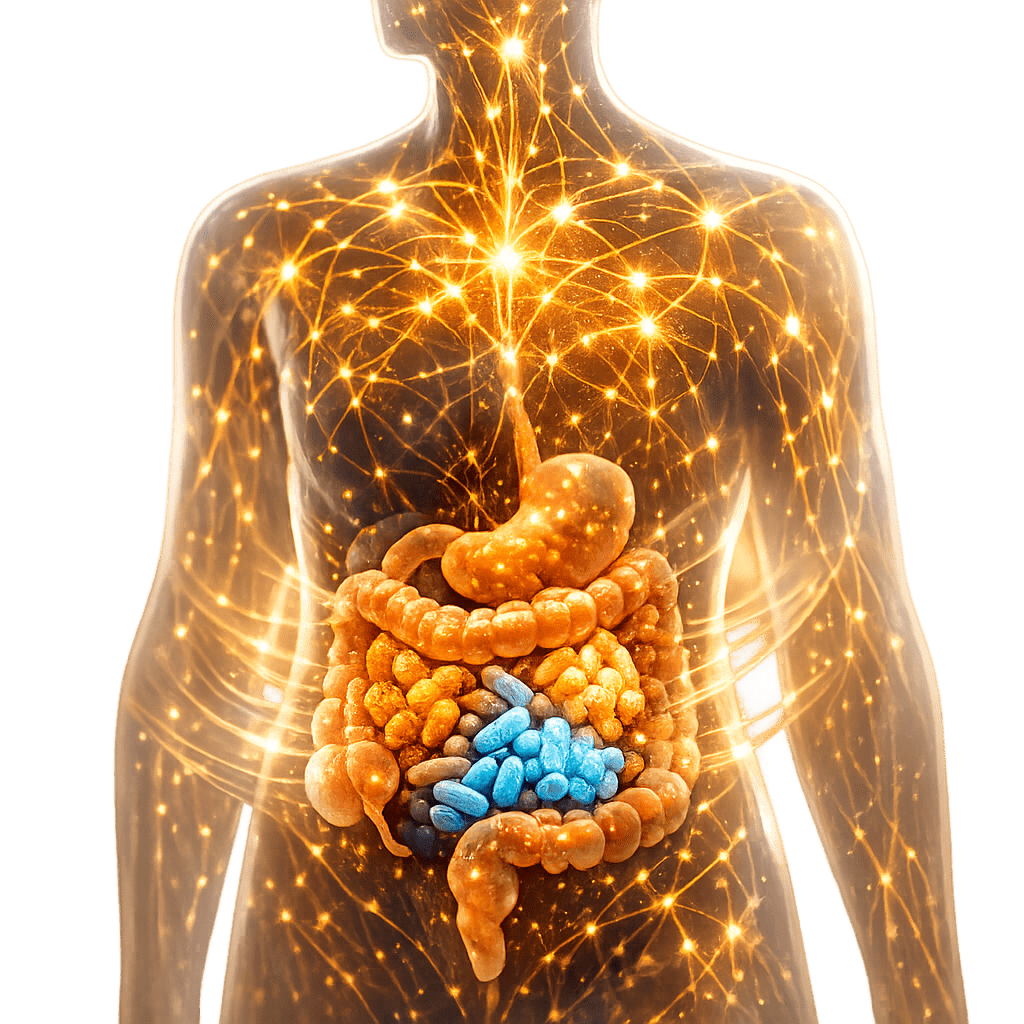
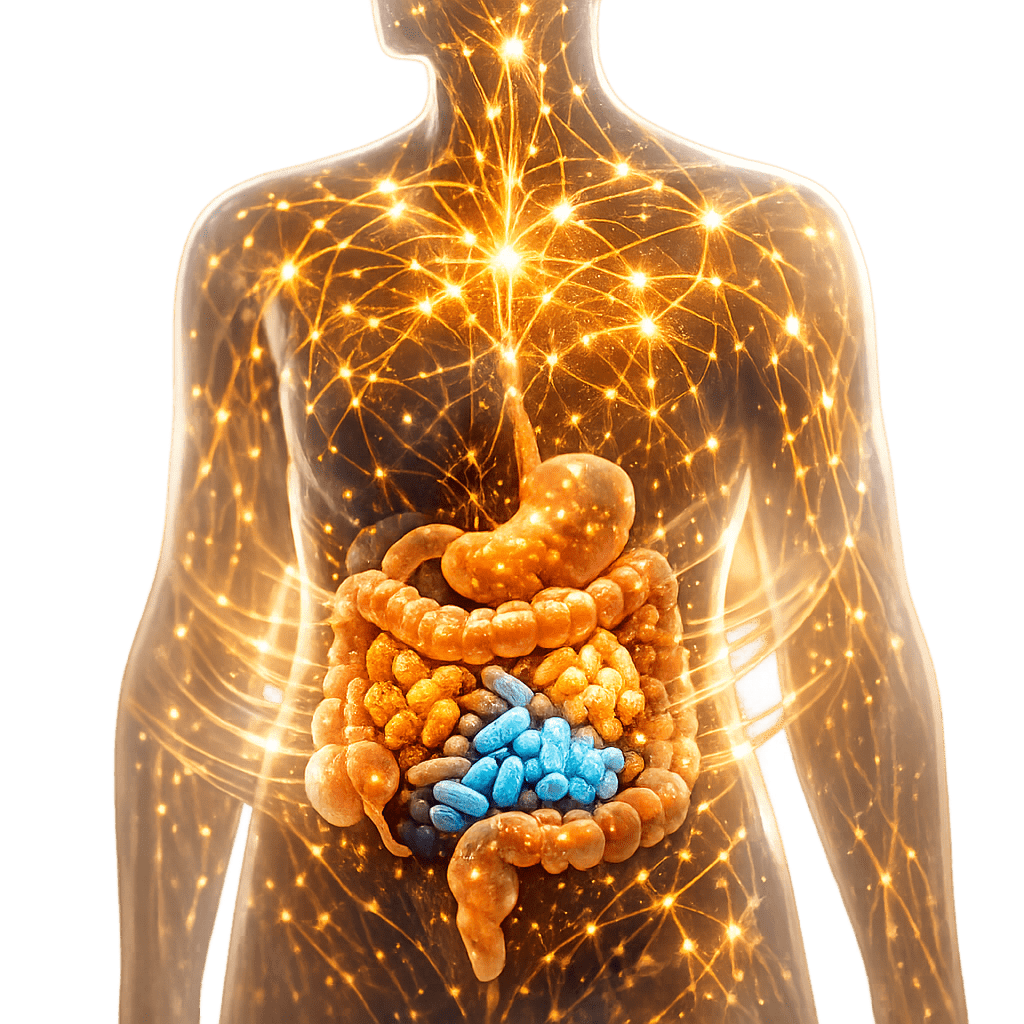
Your gut is more than just a digestive organ—it’s a living ecosystem that influences everything from your immune system to your energy levels and even your mood. When your gut microbiome is balanced with beneficial bacteria, you experience better digestion, stronger immunity, and sustained vitality throughout the day. But when harmful bacteria outnumber the good ones, you might feel sluggish, bloated, or simply not yourself.
The good news? You don’t need complicated supplements or expensive treatments to restore balance. Understanding your gut microbiome is the first step toward personalized wellness. Ancient food wisdom from cultures around the world, particularly from Traditional Chinese Medicine, has long understood what modern science is now confirming: the right foods can naturally increase good bacteria in your gut and transform your health from the inside out.
Understanding Probiotics and Prebiotics: Your Gut’s Best Friends
Think of your gut as a garden. Probiotics are the beneficial plants you want to grow, while prebiotics are the fertilizer that helps them thrive. Both work together in beautiful harmony to create a flourishing internal ecosystem.
Probiotics are live beneficial bacteria that colonize your digestive tract, crowding out harmful microbes and supporting healthy digestion. You’ll find these friendly bacteria in fermented foods like yogurt with live cultures, kefir, sauerkraut, kimchi, miso, and kombucha. Each serving delivers billions of beneficial microorganisms that help break down food, produce vitamins, and strengthen your gut lining.
Prebiotics are the non-digestible fibers that feed your good bacteria, helping them multiply and flourish. According to research published in Nature, consuming indigestible carbohydrates like wheat bran and whole grains significantly increases the abundance of beneficial bacteria in your gut. These special fibers pass through your upper digestive tract undigested and become food for the beneficial bacteria living in your colon. Common prebiotic-rich foods include onions, garlic, leeks, asparagus, bananas, apples, oats, and flaxseeds.
Here’s the magic: when you combine probiotic foods with prebiotic foods, you create a synergistic effect. The probiotics you consume get an immediate energy boost from the prebiotics, allowing them to establish stronger colonies in your gut. It’s like inviting beneficial guests to your home and providing them with everything they need to feel comfortable and stay long-term.

Dietary Strategies to Naturally Boost Good Gut Bacteria
Building a gut-friendly diet doesn’t require a complete lifestyle overhaul. Small, consistent changes make the biggest difference over time. Start by incorporating prebiotic-rich foods into at least two meals daily. Add sliced bananas to your morning oatmeal, toss garlic into your stir-fry, or snack on apple slices with almond butter. These simple additions provide the fuel your beneficial bacteria crave.
Next, embrace fermented foods as a regular part of your routine. Science-backed herbal remedies can complement these dietary changes for optimal digestive support. A small serving of yogurt with live cultures at breakfast, a spoonful of sauerkraut alongside lunch, or a cup of miso soup with dinner can deliver billions of helpful probiotics. The key is consistency—your gut bacteria thrive on regular nourishment, not occasional boosts.
A high-fiber, plant-forward diet naturally supports gut diversity. Simple daily habits can make incorporating these foods into your routine effortless and sustainable. Fill your plate with colorful vegetables, whole grains, legumes, nuts, and seeds. Each plant food contains unique fibers and nutrients that feed different strains of beneficial bacteria, creating a more diverse and resilient microbiome. Aim for at least 25-30 grams of fiber daily, but increase your intake gradually. Sudden fiber increases can cause temporary bloating or discomfort as your digestive system adjusts.
Here’s a practical approach: add just 5 grams of fiber each week until you reach your target. This gentle progression allows your gut bacteria to adapt and multiply at a comfortable pace, minimizing digestive upset while maximizing benefits.
Traditional Chinese Medicine’s Wisdom on Digestive Harmony
While modern science focuses on bacteria strains and fiber content, Traditional Chinese Medicine has understood gut health through a different but equally profound lens for over 2,000 years. In TCM, digestive wellness begins with the concept of Spleen Qi—the vital energy responsible for transforming food into nourishment and distributing it throughout the body.
When your Spleen Qi is strong, digestion flows smoothly, nutrients are absorbed efficiently, and energy is abundant. But when Spleen Qi becomes weakened—often from irregular eating habits, excessive cold or raw foods, chronic stress, or too much worry—digestion suffers. You might experience bloating, loose stools, fatigue, or a feeling of heaviness after meals.
TCM also recognizes the problem of dampness, a condition where the body accumulates excess fluids and metabolic waste due to poor digestive function. Dampness manifests as bloating, water retention, brain fog, and sluggish energy. It’s often caused by overconsumption of greasy foods, dairy products, sugary treats, and cold beverages—all of which burden the digestive system.
The principle of Yin and Yang balance extends deeply into digestive health. Foods have energetic properties—some are warming and promote Yang energy, while others are cooling and nourish Yin. A healthy gut requires harmony between these opposing forces. Too much cold food (raw salads, iced drinks, cold smoothies) can dampen digestive fire, while excessive hot, spicy foods can create internal heat and inflammation.
This is where Shi Liao, or food therapy, becomes your most powerful tool. Rather than viewing food merely as fuel, TCM sees it as medicine that can harmonize your body’s internal environment. According to this ancient wisdom, digestion works best when you consume warm, cooked foods that are easy to break down. Soups, stews, and gently steamed vegetables support Spleen Qi, allowing it to efficiently transform food into energy without unnecessary strain.
TCM practitioners often recommend starting meals with warm water or tea to prepare the digestive system, avoiding excessive raw or cold foods that require extra energy to process, and eating in a calm, unhurried manner to support proper Qi flow. Recent research in ScienceDirect confirms that Traditional Chinese Medicine promotes gut microbiome diversity and enhances beneficial bacteria populations through these practices. These practices align beautifully with what we now understand about gut health—they reduce digestive burden, support enzyme activity, and create an environment where beneficial bacteria can thrive.

The Beautiful Connection Between Fermented Foods and TCM Principles
Here’s where ancient wisdom and modern science converge beautifully: fermented foods, which are probiotic powerhouses, have been staples in Chinese food therapy for thousands of years. Fermented preparations like preserved vegetables, fermented black beans, and various pickled foods were valued not just for preservation, but for their ability to strengthen digestion and support the body’s protective functions.
From a TCM perspective, fermented foods possess unique energetic properties. They “move” stagnant Qi in the digestive tract, dispel dampness, and strengthen the Spleen’s transformative function. Modern science confirms this through a different lens: these same fermented foods deliver beneficial bacteria that improve gut motility, reduce inflammation, and enhance nutrient absorption. Stanford Medicine research shows that fermented food consumption increases gut microbiome diversity while reducing inflammation throughout the body.
Traditional fermented Chinese vegetables like Suan Cai (sour cabbage) and pickled mustard greens naturally contain Lactobacillus bacteria—the same beneficial strains found in yogurt and kimchi. These preparations support what TCM calls “ascending and descending Qi,” essentially promoting smooth digestive flow and regular elimination.
The concept of fermentation itself aligns with TCM’s principle of transformation. Just as the Spleen transforms food into usable energy, fermentation transforms raw ingredients into more digestible, nutrient-dense forms. The process breaks down complex compounds, making vitamins and minerals more bioavailable while creating beneficial enzymes and organic acids that support digestive function.
Researchers are now exploring probiotic-fermented preparations of Chinese herbs, combining traditional medicinal plants with beneficial bacteria strains. Understanding the root causes of digestive imbalances through Eastern medicine principles can help you choose the most effective fermented foods for your constitution. Early studies suggest these fermented herbal preparations may enhance the therapeutic effects of the herbs while simultaneously supporting gut microbiome diversity—a perfect marriage of ancient botanical wisdom and modern probiotic science.
Your Practical Daily Guide to Gut-Friendly Living
Ready to transform your gut health? Here’s a simple, sustainable approach you can start implementing today:
Daily Foundation:
- Begin each morning with warm water or herbal tea to gently awaken your digestive system
- Include at least one probiotic-rich food: a cup of yogurt with breakfast, kimchi with lunch, or miso soup with dinner
- Add prebiotic foods to two or three meals: garlic and onions in cooked dishes, bananas or apples as snacks, oats or flaxseeds in morning meals
- Aim for 5-7 servings of vegetables daily, emphasizing cooked vegetables for easier digestion
- Stay hydrated with warm beverages throughout the day rather than cold drinks
Weekly Rotation for Diversity:
Your gut microbiome thrives on variety. Each week, try to include different sources of both probiotics and prebiotics. This week you might focus on sauerkraut and asparagus; next week, try kefir and sweet potatoes. Rotating your food choices ensures you’re feeding different beneficial bacteria strains, creating a more diverse and resilient gut ecosystem.
Cooking Methods That Support Digestion:
- Steam vegetables lightly to preserve nutrients while making them easier to digest
- Make soups and stews that combine prebiotic vegetables, whole grains, and herbs
- Prepare congee (rice porridge) with ginger and vegetables—a TCM staple that’s incredibly gentle on the digestive tract
- Favor warm, cooked meals over cold, raw preparations, especially if you experience digestive weakness
Mindful Eating Practices:
- Eat at regular times each day to establish a consistent digestive rhythm
- Chew thoroughly—digestion begins in the mouth, and proper chewing reduces the burden on your gut
- Avoid eating when stressed or rushed; calm, focused meals support better digestion and nutrient absorption
- Stop eating when you’re 80% full, a principle from both TCM and Okinawan longevity traditions
Lifestyle Support:
- Practice gentle daily movement like walking, tai chi, or yoga to support Qi flow and healthy digestion
- Prioritize adequate sleep—your gut bacteria have their own circadian rhythms that influence digestive health
- Manage stress through meditation, deep breathing, or time in nature; chronic stress disrupts gut bacteria balance
Remember, this is about progress, not perfection. Start with one or two changes that feel manageable, then gradually build on your success. Your gut microbiome is remarkably adaptable—with consistent nourishment, it will respond positively within weeks.
Embracing Ancient Wisdom for Modern Wellness
The path to optimal gut health isn’t found in any single superfood or supplement. Instead, it lies in the timeless wisdom of understanding your body as an interconnected whole, nourishing it with foods that have supported human health for millennia, and personalizing your approach based on your unique constitution and needs.
At HerbalsZen, we believe in this powerful fusion of ancient Eastern wisdom and modern technology. Our philosophy recognizes that true wellness comes from honoring the principles of traditional food therapy while embracing the personalization that AI innovation makes possible. Just as Traditional Chinese Medicine has always taught that each person’s body constitution is unique, requiring tailored dietary recommendations, we use advanced technology to deliver exactly that—personalized nutrition guidance based on your individual needs, symptoms, and wellness goals.
The foods you choose each day are powerful medicine. When you select fermented vegetables, you’re not just adding probiotics—you’re engaging in a 2,000-year-old practice of food therapy that strengthens Spleen Qi. When you cook with warming ginger and garlic, you’re not just flavoring your meals—you’re harmonizing your body’s internal environment and feeding beneficial gut bacteria simultaneously.
This natural approach to gut health complements conventional healthcare beautifully. Whether you’re managing chronic digestive concerns, seeking more energy, or simply wanting to optimize your wellness, these ancient food wisdom practices offer gentle, sustainable solutions that work with your body’s innate intelligence rather than against it.
Your journey to better gut health starts with a single meal, a single choice to honor both ancient wisdom and your body’s unique needs. The beneficial bacteria in your gut are waiting to flourish—all they need is the right nourishment, delivered with consistency, balance, and mindful attention. Through the integration of time-tested Eastern principles and personalized modern guidance, you can unlock your body’s natural healing potential and experience the vibrant health that comes from a truly balanced gut. Discover EASTCHI AI’s personalized constitution assessment to receive customized nutritional recommendations based on your unique body type and wellness goals.