Your gut has been trying to tell you something. Maybe it’s the persistent bloating that shows up after meals, or the exhaustion that lingers no matter how much you sleep. These aren’t just random inconveniences—they’re messages from your body’s most intelligent system, one that ancient healers understood long before modern science caught up.
For over 2,000 years, traditional Chinese medicine and Ayurveda have recognized what researchers are only now confirming: your gut is the foundation of your overall wellness. In TCM, practitioners call it the root of post-natal Qi, the energy source that powers everything from your immune system to your mental clarity. Ayurvedic medicine goes even further, declaring that all disease begins in the gut—a statement that seems remarkably prescient given what we now know about the gut-brain connection and the microbiome’s role in inflammation.
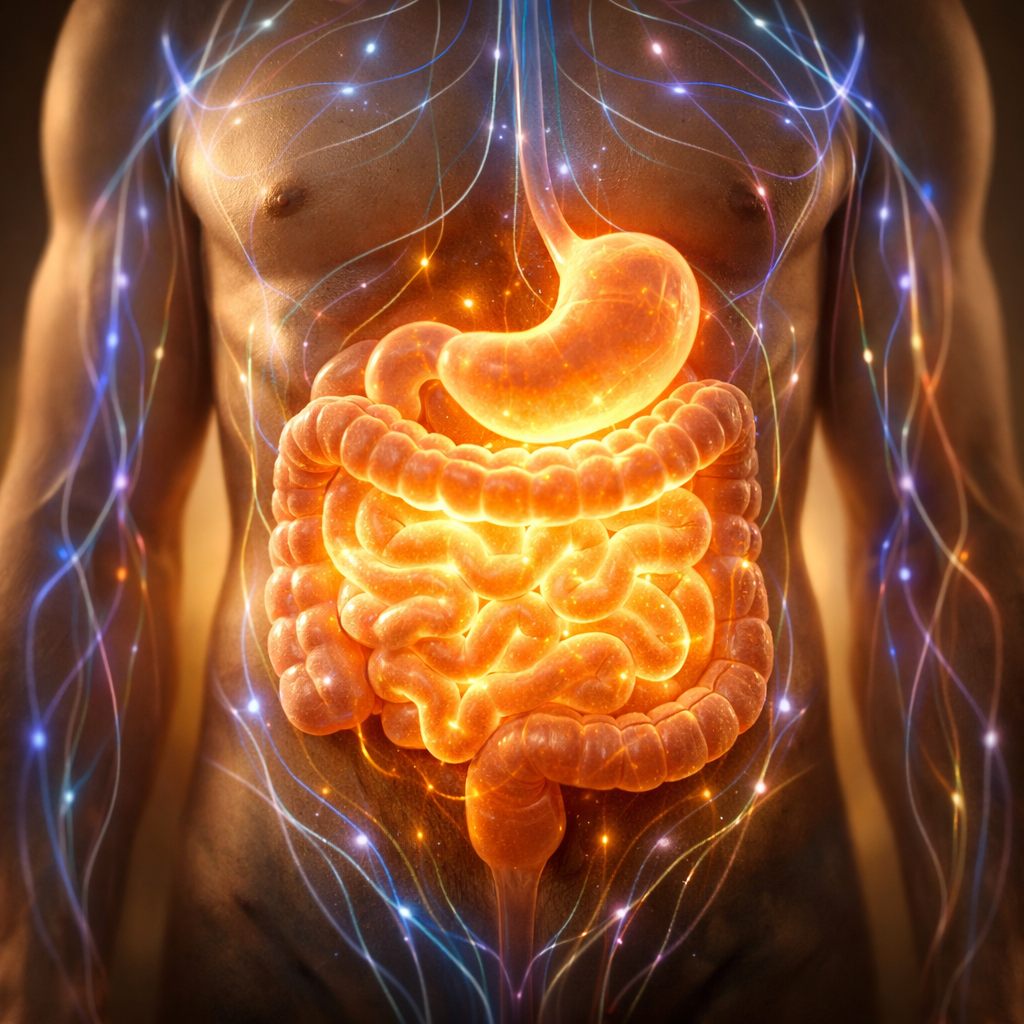
The wisdom of these ancient traditions reveals something profound: your digestive system isn’t just about breaking down food. It’s an intricate network that influences your mood, energy levels, skin health, and even how you handle stress. When this system falls out of balance, your body sends warning signals. Understanding how your gut microbiome influences everything from digestion to mood can help you interpret these messages more clearly. Learning to recognize these 10 signs of an unhealthy gut can be the first step toward reclaiming your vitality.
The First Five Warning Signs Your Gut Needs Attention
1. Persistent Digestive Discomfort
If bloating, gas, constipation, or diarrhea have become your normal, your gut is waving a red flag. In TCM, these symptoms often indicate a disruption in Spleen Qi—the energy responsible for transforming food into nourishment. When Spleen Qi becomes deficient, typically from overconsumption of cold, raw foods or excessive worry, your digestive fire weakens.
Ayurveda offers a complementary perspective through the lens of Agni, your digestive fire. When Agni burns too low or irregularly, undigested food creates Ama—toxic residue that clogs your system and manifests as these uncomfortable symptoms. The emotional connection here runs deep. Chronic stress, anxiety, and overthinking directly dampen your digestive fire, creating a cycle where emotional turbulence feeds physical discomfort.
A 35-year-old marketing executive I’ll call Sarah experienced this firsthand. Her constant bloating and irregular bowel movements seemed to worsen during high-pressure work weeks. When she started paying attention to the pattern, she noticed her gut symptoms intensified whenever she felt overwhelmed—a perfect illustration of how stress disrupts the gut-brain axis.
2. Unexplained Fatigue and Low Energy
That afternoon crash or perpetual exhaustion might have nothing to do with your sleep schedule. In traditional Chinese medicine, the gut produces the Qi that fuels your entire body. When your digestive system struggles, it cannot efficiently transform food into usable energy, leaving you depleted regardless of how much rest you get.
From an Ayurvedic standpoint, this fatigue often stems from an accumulation of Ama combined with weakened Agni. Your body expends tremendous energy trying to process poorly digested food, leaving little reserve for daily activities. Research now confirms this ancient understanding: an unhealthy gut microbiome affects mitochondrial function, directly impacting your cells’ ability to produce energy.
The lifestyle factors here are crucial. Eating while distracted, rushing through meals, or consuming processed foods all compromise your body’s ability to extract nutrients and generate sustainable energy. For practical strategies, explore simple daily habits your gut has been craving to restore digestive vitality. Your gut isn’t just tired—it’s overworked and under-resourced.
3. Food Sensitivities and Intolerances
Suddenly reacting to foods you once enjoyed signals a breakdown in gut barrier function. TCM recognizes this as Spleen and Stomach disharmony, where the digestive organs lose their ability to properly process certain foods. These sensitivities often develop gradually, starting with one or two foods and expanding as gut health deteriorates.
Ayurveda attributes food intolerances to an imbalance in your dominant dosha. For Vata types, cold and raw foods become increasingly problematic. Pitta-dominant individuals may develop sensitivities to spicy or acidic foods, while Kapha types struggle with dairy and heavy, oily meals. The emotional component manifests as a sense of restriction or frustration—your relationship with food becomes stressful rather than nourishing.
Modern science explains this through intestinal permeability or “leaky gut,” where gaps in the intestinal lining allow undigested food particles into the bloodstream, triggering immune responses. This perfectly aligns with the Eastern concept of weakened digestive boundaries needing restoration.
4. Skin Problems and Inflammation
Your skin often mirrors your gut health. Conditions like acne, eczema, rosacea, or unexplained rashes frequently originate from intestinal imbalance. In TCM, the skin is connected to the Lung and Large Intestine meridians—when the intestines accumulate heat and dampness, it manifests outwardly as skin inflammation.
Ayurvedic practitioners understand this through the concept of Ama moving through different tissue layers. When toxic buildup cannot be eliminated through normal digestive channels, the body attempts to expel it through the skin. This creates inflammatory conditions that topical treatments alone cannot resolve.
Statistical data supports this connection: studies show that individuals with inflammatory skin conditions have significantly different gut microbiome compositions compared to those with clear skin. The emotional toll of chronic skin issues can also create stress, which further disrupts gut health—another frustrating cycle that requires holistic intervention.
5. Mood Swings and Mental Fog
The gut-brain connection isn’t metaphorical—it’s physiological. Your intestines produce approximately 90% of your body’s serotonin, the neurotransmitter that regulates mood. An unhealthy gut directly impacts mental clarity, emotional stability, and cognitive function.
TCM views this through the lens of Heart and Spleen interaction. When digestive Qi becomes deficient, it fails to nourish the Heart, leading to anxiety, poor concentration, and emotional instability. The Spleen, responsible for “transforming and transporting,” also governs your ability to process thoughts and experiences—when it’s compromised, mental fog follows.
In Ayurveda, this connection manifests through the Vata dosha, which governs both movement in the intestines and mental activity. Imbalanced Vata creates both physical constipation and mental stagnation. Depression and anxiety often correlate with specific gut microbiome patterns—a phenomenon extensively documented in research on the gut-brain axis and mental health, validating what traditional healers have known for millennia.

Five More Critical Gut Health Signals
6. Weakened Immune Function
Frequent colds, infections, or prolonged recovery times point to compromised gut health. TCM teaches that the Spleen governs the transformation and transportation of nutrients, directly supporting Wei Qi—your defensive energy that protects against external pathogens. When Spleen Qi weakens, your immune defenses crumble.
Ayurveda emphasizes that Ojas, the subtle essence of immunity and vitality, depends entirely on strong Agni. When digestive fire burns irregularly, Ojas depletes, leaving you vulnerable to illness. Approximately 70% of your immune system resides in your gut, making intestinal health inseparable from immune resilience.
7. Sleep Disturbances
Difficulty falling asleep, restless nights, or waking unrefreshed often trace back to gut dysfunction. In traditional Chinese medicine, the digestive system follows specific energy cycles. When these rhythms become disrupted—often from eating late, consuming difficult-to-digest foods, or chronic stress—sleep quality suffers.
The Pitta dosha in Ayurveda governs transformation and metabolism. When Pitta accumulates excessively in the gut, it creates internal heat that disturbs sleep. Your gut microbiome also produces neurotransmitters that regulate sleep-wake cycles. An imbalanced microbiome cannot support healthy melatonin production, perpetuating sleep issues.
8. Unexplained Weight Changes
Sudden weight gain or loss without lifestyle changes often indicates metabolic disruption rooted in gut health. TCM attributes this to Spleen and Kidney Yang deficiency, where the body loses its ability to properly metabolize fluids and nutrients. This creates either dampness accumulation (weight gain) or failure to assimilate nourishment (weight loss).
Ayurvedic medicine links weight imbalances to dosha-specific patterns. Kapha imbalance leads to sluggish metabolism and weight gain, while excessive Vata creates poor nutrient absorption and weight loss. The gut microbiome composition directly influences how your body stores fat and regulates hunger hormones. If you’ve noticed stubborn digestive patterns affecting your weight, consider reading about why digestive issues keep returning and the hidden imbalances Eastern medicine reveals, making intestinal balance crucial for maintaining healthy weight.
9. Chronic Bad Breath
Persistent bad breath despite good oral hygiene suggests digestive system imbalance. In TCM, this indicates Stomach heat or Spleen dampness—conditions where partially digested food ferments, creating foul odors that rise upward. The tongue coating in TCM diagnosis often reveals these internal conditions.
Ayurveda views bad breath as a sign of Ama accumulation in the digestive tract. When Agni burns too low, food remains undigested, producing toxic compounds that affect breath quality. Learning simple daily habits to improve digestion naturally can address this root cause without medications. This seemingly minor symptom actually signals significant digestive dysfunction requiring holistic intervention.
10. Autoimmune Flare-ups
Autoimmune conditions often correlate with gut barrier dysfunction and microbiome imbalance. TCM doesn’t use the term “autoimmune” but recognizes patterns of internal conflict where the body’s defensive Qi becomes misdirected, attacking healthy tissues rather than external pathogens. This often stems from prolonged Spleen and Kidney deficiency combined with toxic accumulation.
In Ayurveda, autoimmune patterns reflect severe Ama accumulation and dosha imbalance that confuses the body’s intelligence. Modern research confirms that intestinal permeability and dysbiosis play central roles in autoimmune disease development, bridging ancient wisdom with contemporary understanding.
The Path Forward: Personalized Wisdom for Modern Wellness
Recognizing these 10 signs of an unhealthy gut is just the beginning. The real transformation happens when you address your unique constitution and imbalances with personalized guidance rooted in ancient wisdom.
This is where the fusion of traditional knowledge and modern technology becomes powerful. At HerbalsZen’s EastChi AI platform, we’ve developed an approach that honors 2,000 years of Eastern medicine while leveraging artificial intelligence to deliver truly personalized nutrition plans. Our EastChi AI platform analyzes your individual constitution through the lens of Five Elements theory, Yin-Yang balance, and dosha patterns, then creates tailored recommendations that address your specific gut health challenges.
Rather than generic advice that works for no one, personalized nutrition recognizes that what heals one person’s gut may aggravate another’s. A Vata-dominant individual with cold, dry intestinal patterns needs warming, grounding foods—completely different from the cooling, light diet that would benefit someone with excess Pitta heat. Discover your unique constitutional needs through our comprehensive body constitution assessment. TCM’s organ-specific approach similarly requires customization based on whether you’re experiencing Spleen Qi deficiency, Stomach heat, or Liver Qi stagnation affecting digestion.
The beauty of merging ancient wisdom with modern AI lies in accessibility. Traditional medicine required years of study to understand constitutional patterns and create appropriate remedies. Now, technology can analyze your symptoms, lifestyle factors, and health history to provide insights that once required extensive practitioner expertise—making this profound knowledge available to anyone seeking natural approaches to gut health.
Taking Action: Your Next Steps Toward Gut Wellness
Start by observing your body’s signals without judgment. Keep a simple journal noting digestive symptoms, energy levels, mood patterns, and how different foods affect you. This awareness practice itself is healing—it reconnects you with your body’s innate intelligence.
Consider your lifestyle through both Eastern and Western lenses. Are you eating while stressed or distracted? Are you consuming foods that don’t align with your constitution? Is chronic stress depleting your digestive fire? Small adjustments—like eating warm, cooked meals if you’re Vata-dominant, or incorporating bitter greens for excess Kapha—can create significant shifts.
Seek guidance that addresses your whole self, not just isolated symptoms. The gut doesn’t exist in isolation—it’s influenced by your emotions, sleep patterns, stress levels, and unique constitutional makeup. For targeted support, explore evidence-based herbal remedies for digestion that align with your individual needs. Holistic approaches that consider these interconnections, drawing from both traditional wisdom and modern nutritional science, offer the most sustainable path to wellness.
Your gut has been sending you messages. Now you know how to listen. By embracing the fusion of Eastern wisdom and modern innovation, you can restore balance, rebuild digestive strength, and unlock your body’s remarkable healing potential. The journey to optimal wellness begins not with fighting your body, but with understanding its language and responding with personalized, compassionate care.