Have you ever wondered why some people can eat anything without gaining weight, while you look at a cookie and feel bloated? Or why your friend bounces out of bed at 5 AM while you hit snooze five times? The answer might lie in something that Traditional Chinese Medicine (TCM) has understood for over 2,000 years: your unique body constitution.
Think of your body constitution as your internal climate—the distinctive pattern of how your body and mind function together. It’s not just about physical traits like your body shape or metabolism. Your constitution encompasses everything from how you digest food and regulate temperature to how you handle stress and experience emotions. It’s the reason why what works wonderfully for your best friend’s health might leave you feeling worse, and why understanding your own constitution can unlock solutions to seemingly unrelated health concerns.
In TCM philosophy, your body constitution influences how you respond to food, weather changes, stress, exercise, and even relationships. It’s like having a unique blueprint that determines whether you run hot or cold, feel energized or drained, sleep soundly or toss and turn. When you understand this blueprint, those mysterious patterns—like why you always feel cold when everyone else is comfortable, or why certain foods make you feel foggy—suddenly start making sense.
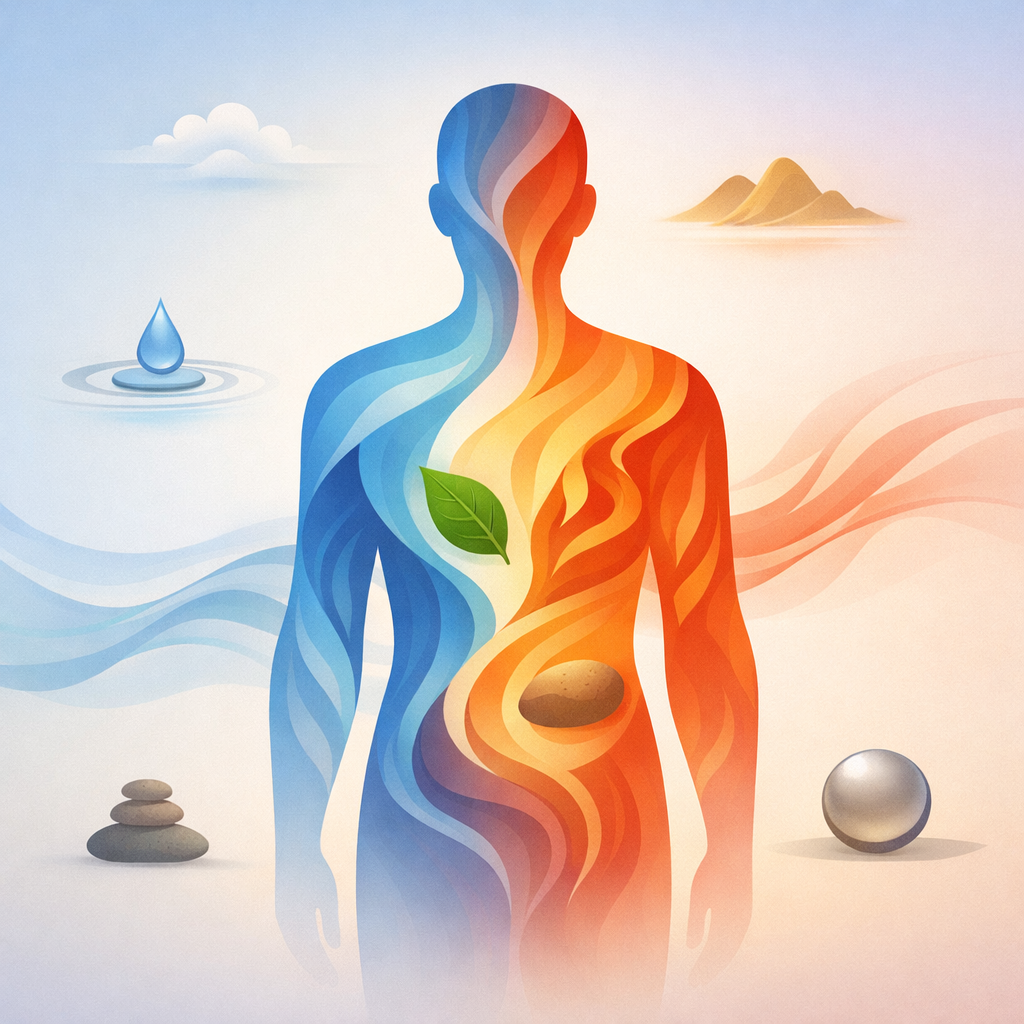
Understanding the Nine Types of Body Constitutions
Traditional Chinese Medicine identifies nine distinct body constitution types, each with its own characteristics and tendencies. These aren’t rigid categories—most people display traits from multiple types, though one or two usually dominate. Let’s explore each one and see if you recognize yourself.
Balanced Constitution represents the ideal state of harmony. People with this constitution typically have good energy levels, sleep well, digest food easily, and adapt to seasonal changes without much difficulty. They have a healthy complexion, stable emotions, and rarely get sick. If this sounds like you, congratulations—you’re already living in balance!
Qi Deficiency Constitution affects people who often feel tired, even after a full night’s sleep. You might find yourself short of breath when climbing stairs, catching colds frequently, or feeling mentally foggy. Your voice might be soft, and you may prefer not to talk much because it feels exhausting. This constitution reflects a fundamental lack of vital energy flowing through your body.
Yang Deficiency Constitution makes you feel like you’re always cold, no matter how many layers you wear. Your hands and feet might be icy, you crave warm drinks, and winter feels unbearable. People with this constitution often experience digestive issues with cold or raw foods, need extra sleep, and may feel less motivated or enthusiastic about activities.
Yin Deficiency Constitution is the opposite—you run hot. You might experience dry skin, dry mouth, or feel flushed in the afternoon. Restless sleep, night sweats, and feeling irritable or anxious are common. You probably prefer cold drinks and cooler environments, and may find yourself feeling “wired but tired.”
Phlegm-Damp Constitution often shows up as a feeling of heaviness—both physically and mentally. You might carry extra weight around your midsection, experience brain fog, feel sluggish, or have a coating on your tongue. Digestive issues like bloating, loose stools, or feeling full easily are common. This constitution develops when your body struggles to transform and transport fluids properly.
Damp-Heat Constitution combines excess moisture with inflammation. You might experience oily skin, acne, bitter taste in your mouth, or irritability. Digestive issues like acid reflux, loose stools with urgency, or feeling heavy after eating are typical. People with this constitution often feel uncomfortable in humid weather and may have a shorter temper.
Blood Stasis Constitution manifests as poor circulation. You might notice dark circles under your eyes, visible spider veins, or pain that feels sharp or stabbing in specific locations. Your skin might look dull or have dark patches, and you may bruise easily. Menstrual issues with dark, clotted blood are common for women with this constitution.
Qi Stagnation Constitution affects your emotional and physical flow. You might feel stressed, anxious, or experience mood swings easily. Physical symptoms include chest tightness, sighing frequently, digestive issues that worsen with stress, or feeling like you have a lump in your throat. This constitution often develops in people who suppress emotions or experience chronic stress.
Allergic Constitution makes you particularly sensitive to environmental triggers. You might have seasonal allergies, skin sensitivities, asthma, or react strongly to certain foods, scents, or fabrics. Your immune system tends to overreact to things that others tolerate easily.
Here’s the crucial insight: these constitutions explain why seemingly unrelated symptoms often appear together. If you have a Qi Deficiency constitution, it makes sense that you experience low energy, digestive weakness, and poor sleep—they all stem from insufficient vital energy. If you’re Yang Deficient, your cold hands, sluggish digestion, and low motivation share the same root cause: insufficient warming energy in your body.

Discovering Your Constitution with the CCMQ
So how do you determine your body constitution? The Constitution in Chinese Medicine Questionnaire (CCMQ) provides a scientifically validated tool developed by renowned TCM expert Professor Wang Qi and his research team in 2006. This comprehensive questionnaire evaluates 54 items across nine constitution types, offering a systematic approach to understanding your unique internal landscape.
The CCMQ asks questions about your physical sensations, emotional patterns, digestive experiences, sleep quality, and responses to environmental factors. Rather than providing a single label, it generates a profile showing your tendency toward each constitution type, reflecting the reality that most people display characteristics from multiple types.
What makes the CCMQ valuable is its holistic approach. Instead of focusing on isolated symptoms, it examines patterns—how different aspects of your health connect and influence each other. For example, questions might explore whether you feel cold easily, prefer hot drinks, have low energy, and experience loose stools. Together, these symptoms paint a picture of your underlying constitution.
It’s important to understand that the CCMQ is an assessment tool, not a diagnostic test. It helps you recognize patterns and tendencies in your body’s functioning, providing insights that can guide your wellness journey. However, it doesn’t diagnose diseases or replace professional medical evaluation. Think of it as a map that helps you understand your territory better—it shows you the landscape, but you still need guidance on the best path forward.
Transforming Understanding into Action
Discovering your body constitution isn’t just intellectually interesting—it’s practically transformative. This knowledge empowers you to make lifestyle choices that work with your body’s nature rather than against it.
Diet adjustments become more intuitive when you understand your constitution. If you have a Yang Deficiency constitution, you’ll benefit from warming foods like ginger, cinnamon, lamb, and cooked vegetables, while avoiding excessive raw foods, cold drinks, and cooling fruits like watermelon. Someone with Yin Deficiency, however, needs the opposite approach—cooling, moistening foods like cucumber, pear, seafood, and avoiding overly spicy or heating foods.
For Qi Deficiency, easily digestible, nourishing foods support energy production—think well-cooked grains, root vegetables, bone broths, and small amounts of lean protein. Phlegm-Damp constitution benefits from foods that help transform dampness: bitter greens, barley, adzuki beans, and reducing dairy, fried foods, and sweets.
Exercise recommendations also vary by constitution. Yang Deficiency types need gentle, warming exercises like tai chi, qigong, or moderate-paced walking in sunlight, avoiding intense workouts that deplete energy. Qi Deficiency individuals benefit from restorative movement that builds rather than drains—gentle yoga, swimming, or short walks with rest periods.
Conversely, Phlegm-Damp and Damp-Heat constitutions often need more vigorous exercise to move stagnation and transform dampness—activities like brisk walking, cycling, or dance. Blood Stasis types benefit from exercises that promote circulation without causing injury, while Qi Stagnation constitutions improve with activities that release emotional tension, like vigorous walking, martial arts, or expressive movement.
Stress management approaches should also align with your constitution. Qi Stagnation types need practices that release pent-up emotions—journaling, creative expression, or vigorous exercise. Yin Deficiency individuals require calming, cooling practices like meditation, gentle stretching, or time in nature. Yang Deficiency types benefit from warmth, rest, and gentle, grounding activities.
While the CCMQ provides valuable insights, consulting with a licensed TCM practitioner takes your understanding deeper. They can interpret your results within the context of your complete health picture, considering factors like pulse diagnosis, tongue examination, and detailed health history. A qualified practitioner can develop a comprehensive plan integrating dietary therapy, herbal medicine, acupuncture, and lifestyle modifications tailored to your unique needs.
Remember, understanding your constitution isn’t about limiting yourself or fitting into a box—it’s about recognizing your body’s natural patterns so you can support rather than fight them. This wisdom complements conventional healthcare, offering additional perspectives and tools for achieving wellness.
The HerbalsZen Approach: Ancient Wisdom Meets Modern Innovation
At HerbalsZen, we’ve embraced the profound wisdom of TCM body constitution theory while recognizing that modern life requires modern solutions. Through our flagship EastChi AI platform, we bridge 2,000 years of traditional knowledge with cutting-edge artificial intelligence to deliver truly personalized wellness guidance.
Our philosophy rests on three pillars: wisdom, personalization, and holistic harmony. We honor the time-tested principles of Five Elements theory, Yin-Yang balance, and the understanding that food is medicine. But we also recognize that each person’s constitution is unique, requiring tailored recommendations rather than generic advice.
This is where technology enhances tradition. Our AI analyzes your body constitution alongside your lifestyle, preferences, and goals to create customized nutrition plans and wellness recommendations that feel natural and sustainable. We don’t just tell you what’s theoretically best for your constitution—we help you implement it in your real life.
The holistic harmony principle guides everything we do. Unlike approaches that address symptoms in isolation, we recognize the interconnected nature of physical health, emotional wellbeing, and environmental factors. When you understand that your digestive issues, low energy, and poor sleep might all stem from the same constitutional imbalance, you can address the root cause rather than playing whack-a-mole with symptoms.
We believe that true wellness comes from working with your body’s natural patterns, not against them. Whether you’re dealing with chronic digestive concerns, struggling with energy levels, experiencing stress and sleep difficulties, or simply seeking to optimize your health naturally, understanding your constitution provides the foundation for meaningful change.
Your Journey Toward Balance Begins Here
Understanding your body constitution is like discovering the instruction manual you never knew existed for your own body. Suddenly, those frustrating patterns make sense. The solutions that never quite worked for you? Now you understand why. The recommendations from well-meaning friends that made things worse? They weren’t wrong—they just weren’t right for your unique constitution.
This knowledge empowers you to become an active participant in your wellness journey rather than a passive recipient of generic advice. You can make informed choices about food, exercise, stress management, and lifestyle that align with your body’s natural tendencies. You can explain your needs more clearly to healthcare providers. You can stop wondering why your body doesn’t respond the way “it should” and start appreciating how it actually functions.
Remember, the CCMQ is a starting point for exploration and self-understanding, not a definitive diagnosis or substitute for professional medical care. If you have health concerns, always consult qualified healthcare providers—both conventional and TCM practitioners—who can provide comprehensive evaluation and treatment.
View this approach as a complementary tool in your wellness toolkit. Modern medicine excels at acute care, diagnostics, and treating serious conditions. TCM constitution theory offers something equally valuable: a framework for understanding patterns, preventing imbalances, and optimizing wellness through personalized lifestyle choices. Together, these approaches provide a more complete picture of health.
Your constitution isn’t fixed forever—it can shift over time based on age, lifestyle, stress, and environmental factors. This means you’re not stuck with imbalances. With understanding, appropriate adjustments, and patience, you can move toward greater balance. The journey isn’t about achieving perfection but about discovering what helps your unique body thrive.
At HerbalsZen, we’re committed to making this ancient wisdom accessible and practical for modern lives. Whether you’re just beginning to explore TCM concepts or you’re ready to dive deep into personalized wellness strategies, we’re here to support your journey toward holistic harmony—blending the best of traditional knowledge with innovative technology to help you unlock your body’s innate healing potential.
The path to better energy, improved digestion, restful sleep, and overall wellness might be simpler than you thought. It starts with understanding the unique constitution that makes you, you.