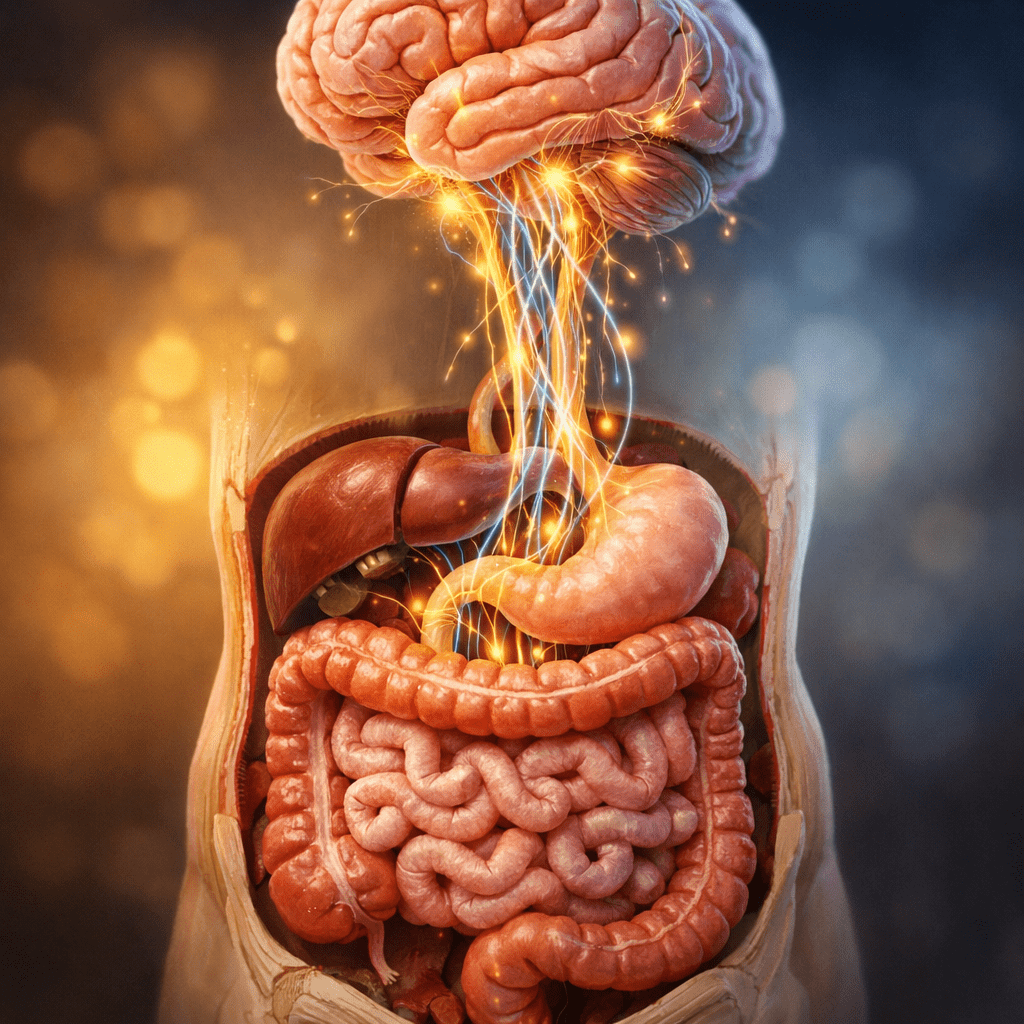
Have you ever noticed how a nervous stomach before a big presentation feels just as real as physical hunger? Or how stress seems to wreak havoc on your digestion? There’s a profound reason for this connection. Your gut and brain are in constant conversation, and when your digestive system thrives, your mind follows suit. This remarkable relationship, known as the gut-brain axis, reveals that achieving digestive health isn’t just about comfort after meals—it’s about nurturing your entire wellbeing, from your mood to your mental clarity.
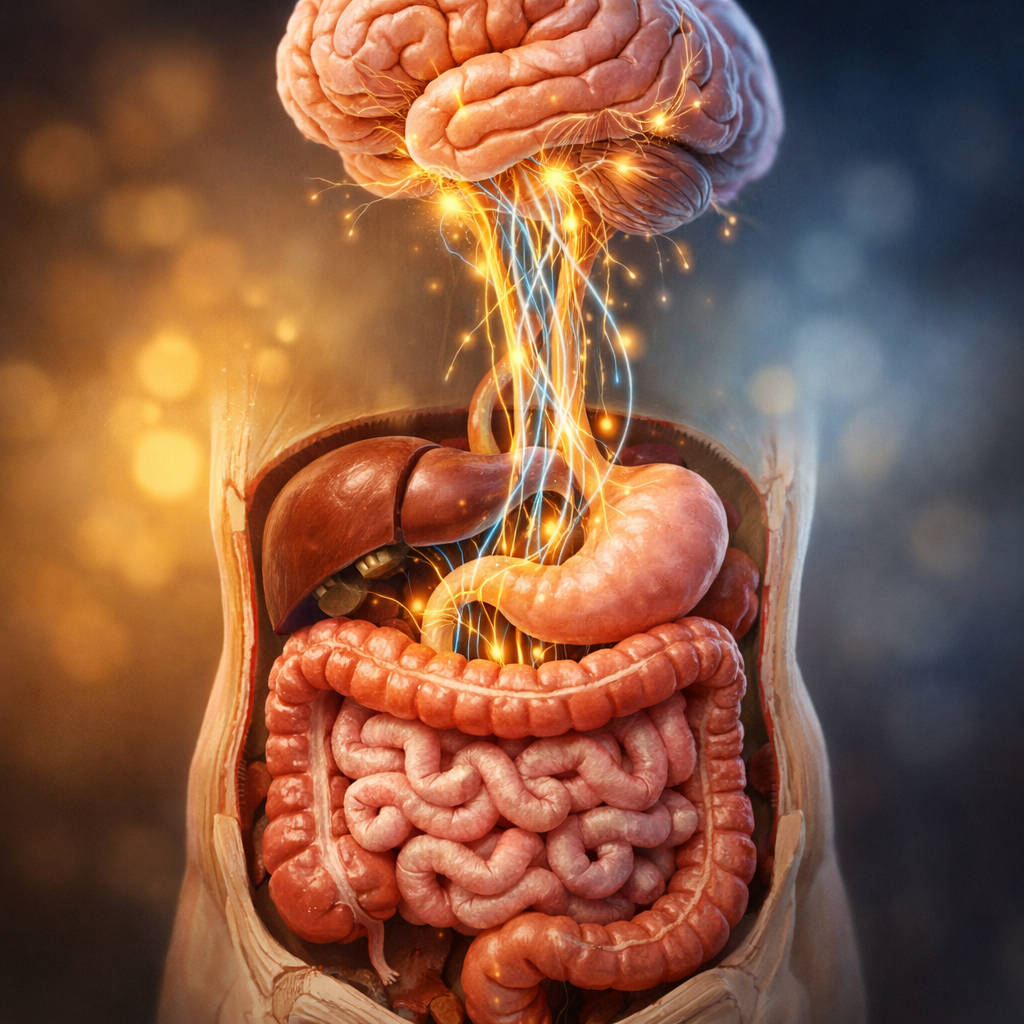
Think of your digestive system as your body’s second brain. Scientists have discovered that the gut contains over 100 million neurons, more than in your spinal cord. This intricate nervous system doesn’t just manage digestion; it produces about 90% of your body’s serotonin, the neurotransmitter that regulates happiness and emotional balance. When your gut is happy, it sends positive signals to your brain. When it’s struggling, those distress signals can manifest as anxiety, brain fog, or even depression. The path to a calmer mind truly begins in your belly.
Understanding the Foundation of Digestive Health
At the heart of digestive health lies a delicate ecosystem that deserves our attention and care. Your gut is home to trillions of microorganisms—bacteria, fungi, and other microbes—that form what we call the gut microbiome. These tiny inhabitants aren’t just passengers; they’re active participants in your health, influencing everything from nutrient absorption to immune function.
A balanced gut microbiome is like a thriving garden. When diverse beneficial bacteria flourish, they create an environment where harmful microbes can’t take over. These good bacteria do remarkable work: they break down fiber into short-chain fatty acids (SCFAs) that fuel your gut lining cells, reduce inflammation, and even help regulate your metabolism. One particularly important SCFA, butyrate, strengthens the gut barrier—that crucial boundary that decides what enters your bloodstream and what stays out.
The gut barrier functions as your body’s gatekeeper. When healthy, it allows nutrients to pass through while blocking harmful substances, toxins, and undigested food particles. But when this barrier becomes compromised—a condition often called “leaky gut”—unwanted substances can slip through, triggering inflammation and immune responses that affect not just your digestion, but your entire body and mind.
Proper gut motility, the rhythmic contractions that move food through your digestive tract, completes this foundational trio. When motility is balanced, nutrients are absorbed efficiently, and waste is eliminated regularly. Too fast, and you might experience diarrhea and poor nutrient absorption. Too slow, and constipation and bloating become unwelcome companions. This bidirectional communication between your gut and brain means that stress can slow digestion, while digestive discomfort can increase anxiety—a cycle we can interrupt with the right approach.
The Dietary Path to Digestive Harmony
Food is more than fuel; in the wisdom of traditional Eastern medicine, food is medicine. What you eat directly shapes your gut microbiome and influences the messages your gut sends to your brain. The journey to digestive health begins with understanding how specific dietary choices create lasting change.
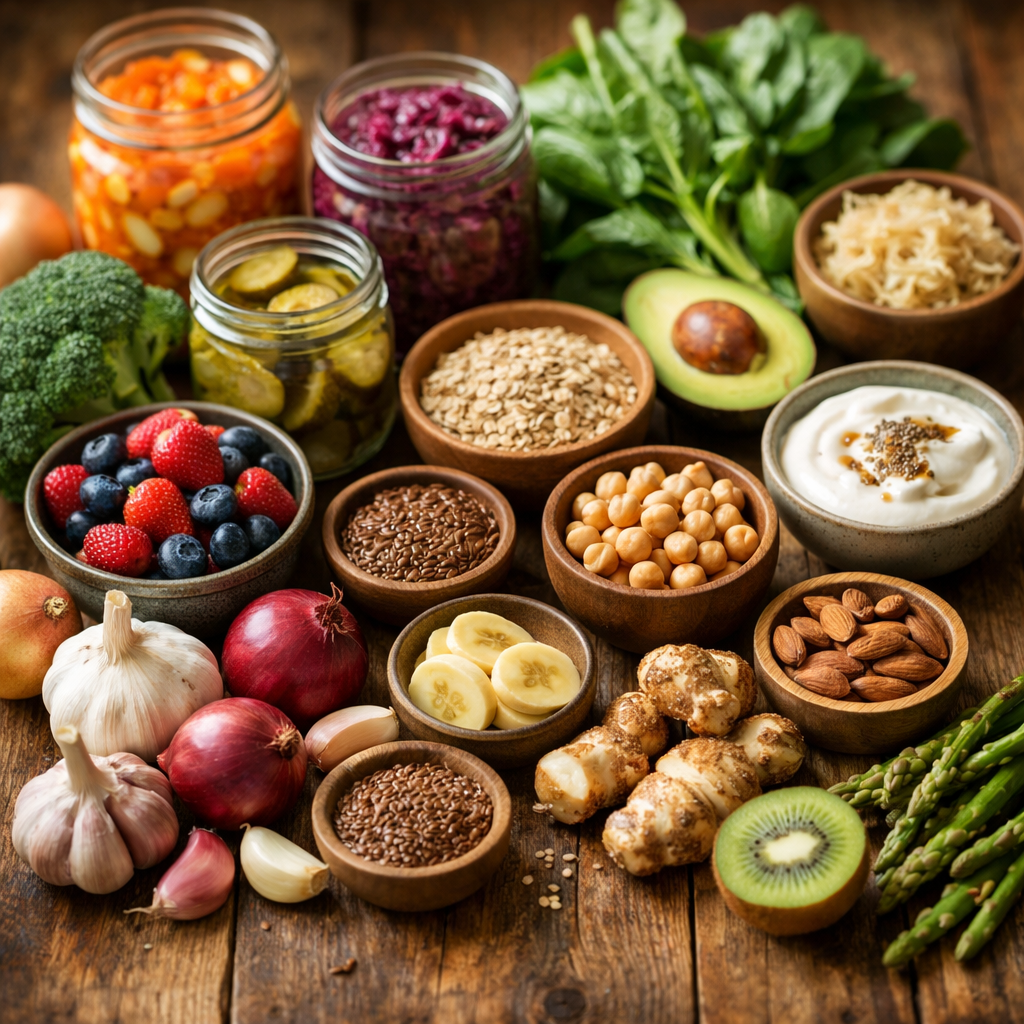
Fiber stands as the cornerstone of gut health. When you eat fiber-rich foods, you’re essentially feeding the beneficial bacteria in your gut. These microbes ferment fiber, producing those valuable SCFAs that heal and protect your gut lining. But here’s what many people miss: dietary diversity matters just as much as quantity. Eating thirty different plant foods each week—including vegetables, fruits, whole grains, legumes, nuts, and seeds—provides a spectrum of fibers that feed different beneficial bacteria. Each type of plant offers unique compounds that support different aspects of gut health.
A diverse, plant-rich diet delivers more than fiber. It provides polyphenols, natural compounds found in colorful fruits and vegetables, green tea, and dark chocolate, which act as food for specific beneficial bacteria while exerting anti-inflammatory effects. Berries, leafy greens, and herbs aren’t just nutritious—they’re actively shaping your gut ecosystem.
Fermented foods deserve special attention. Kimchi, sauerkraut, kefir, yogurt with live cultures, tempeh, and miso introduce beneficial microbes directly into your digestive system. These foods have been consumed for thousands of years across various cultures, and modern science now confirms their value. When you regularly include fermented foods, you’re not just adding probiotics; you’re introducing diverse strains of beneficial bacteria that can colonize your gut and support digestion, immune function, and even mood regulation.
Prebiotics work hand-in-hand with probiotics. Found naturally in foods like garlic, onions, leeks, asparagus, bananas, and Jerusalem artichokes, prebiotics are specialized fibers that selectively feed beneficial bacteria. Think of probiotics as the seeds and prebiotics as the fertilizer—you need both for a thriving gut garden.
Practical Steps for Natural Digestive Improvement
Knowledge transforms into healing only through action. Here are practical, achievable steps to enhance your digestive health naturally, starting today.
Begin by gradually increasing your fiber intake. If you’re currently eating minimal fiber, don’t jump from 10 grams to 30 grams overnight—your gut needs time to adapt. Start by adding one additional serving of vegetables to your lunch, then incorporate a fiber-rich breakfast like oatmeal topped with berries and ground flaxseed. Within a few weeks, aim for 25-35 grams of fiber daily from whole food sources. Remember, variety is key: rotate between different vegetables, grains, and legumes to feed diverse beneficial bacteria.
Incorporate fermented foods into your daily routine. Start small—a tablespoon of sauerkraut or kimchi with lunch, or a small glass of kefir as a snack. These foods can taste unfamiliar at first, but your palate will adapt. If you’re new to fermented foods, begin with milder options like yogurt with live cultures before progressing to stronger flavors like kimchi.
Choose healthy fats wisely. Omega-3 fatty acids found in fatty fish, walnuts, and flaxseeds reduce gut inflammation and support the gut barrier. Extra virgin olive oil contains oleic acid and polyphenols that nourish beneficial bacteria and protect the gut lining. Meanwhile, limit processed foods high in saturated fats and trans fats, which can promote harmful bacteria and inflammation.
Hydration plays a surprising role in digestive health. Water helps fiber move through your digestive system and supports the mucosal lining of your intestines. Aim for eight glasses daily, more if you’re increasing fiber intake. Herbal teas, particularly ginger and peppermint, offer additional digestive benefits while contributing to your fluid intake.
Consider your meal patterns. Eating at regular times helps regulate gut motility and digestive enzyme production. Chewing thoroughly reduces the workload on your digestive system and improves nutrient absorption. Try putting down your fork between bites and eating without distractions—mindful eating isn’t just a trendy concept; it activates the parasympathetic nervous system, which optimizes digestion.
Special Considerations for Sensitive Digestive Systems
While a diverse, plant-rich diet benefits most people, some individuals with sensitive digestive systems need a more nuanced approach. If you experience irritable bowel syndrome (IBS), inflammatory bowel disease (IBD), or severe food sensitivities, certain dietary strategies require modification.
The low-FODMAP diet has helped many people with IBS identify trigger foods. FODMAPs (Fermentable Oligosaccharides, Disaccharides, Monosaccharides, and Polyols) are short-chain carbohydrates that some people struggle to digest. These compounds can ferment in the gut, causing gas, bloating, and discomfort. However, the low-FODMAP approach should be viewed as a diagnostic tool, not a permanent solution. Working with a qualified healthcare provider, you would eliminate high-FODMAP foods for 4-6 weeks, then systematically reintroduce them to identify personal triggers.
Here’s the crucial point: restrictive diets should be temporary and personalized. Unnecessarily eliminating entire food groups can reduce microbial diversity and create nutritional deficiencies. Even if you discover specific triggers, you might tolerate small amounts or certain preparations of those foods. Cooked garlic, for example, often bothers sensitive systems less than raw garlic.
If you’re dealing with chronic digestive issues, professional guidance is invaluable. A knowledgeable practitioner can help you navigate elimination diets safely, ensure adequate nutrition, and investigate underlying causes rather than just managing symptoms. Sometimes digestive problems stem from issues like small intestinal bacterial overgrowth (SIBO), insufficient digestive enzymes, or chronic stress—conditions that require targeted interventions.
Lifestyle: The Missing Piece of the Digestive Puzzle
Dietary changes form the foundation of digestive health, but lifestyle factors can either amplify or undermine your efforts. Your daily habits profoundly influence your gut microbiome and the gut-brain axis.
Regular physical activity does more than burn calories—it directly benefits your gut. Exercise increases microbial diversity and promotes the growth of beneficial bacteria that produce those valuable SCFAs. You don’t need intense workouts; even a daily 30-minute walk stimulates gut motility, reduces bloating, and helps regulate bowel movements. Movement also reduces stress and improves sleep, creating a positive cascade for digestive health.
Sleep quality might seem unrelated to digestion, but your gut microbiome follows a circadian rhythm just like you do. Disrupted sleep patterns can alter the composition of your gut bacteria, reducing beneficial species and increasing inflammatory microbes. Poor sleep also increases stress hormones that slow digestion and increase gut permeability. Aim for 7-9 hours of quality sleep nightly, maintaining consistent sleep and wake times even on weekends.
Stress management deserves special attention because chronic stress directly damages digestive health through multiple pathways. When you’re stressed, your body diverts blood flow away from digestion, slows gut motility, increases gut permeability, and alters the gut microbiome composition. The gut-brain axis works both ways—stress affects your gut, and gut dysfunction increases anxiety.
Mindfulness practices offer a powerful antidote. Just ten minutes of daily meditation can reduce stress hormones, activate the parasympathetic nervous system, and improve digestive symptoms. Deep breathing exercises before meals signal your body to enter “rest and digest” mode. Yoga combines movement, breath work, and stress reduction—making it particularly beneficial for digestive health. Specific poses like gentle twists and forward folds can even help relieve gas and bloating.
The HerbalsZen Approach: Ancient Wisdom Meets Modern Personalization
At HerbalsZen, we recognize that true digestive health requires a personalized approach rooted in wisdom that has guided wellness for millennia. Traditional Chinese medicine has understood for over 2,000 years what modern science is now confirming: digestive health is the foundation of overall vitality, and optimal wellness requires addressing each person’s unique constitution.
The Five Elements theory and principles of Yin-Yang balance teach us that digestive patterns vary based on individual body types and circumstances. Some people naturally run “hot,” experiencing inflammation and rapid digestion, while others run “cold,” struggling with sluggish digestion and poor nutrient absorption. These patterns influence which foods will support or challenge your system. What nourishes one person might create imbalance in another.
This is where ancient wisdom meets modern technology. Through our EastChi AI platform, we analyze your unique body constitution, current symptoms, lifestyle factors, and personal preferences to create tailored wellness plans that honor both traditional wisdom and contemporary nutritional science. Rather than prescribing generic advice, we help you discover the specific foods, eating patterns, and lifestyle adjustments that work for your body.
We encourage you to become an active participant in your wellness journey. Keep a food and symptom diary for at least two weeks. Note what you eat, when you eat, and how you feel physically and emotionally afterward. Track your energy levels, bowel movements, sleep quality, and stress levels. Patterns will emerge that reveal your personal triggers and what truly supports your digestive health. This self-awareness empowers you to make informed choices and work collaboratively with wellness professionals.
Remember that chronic or severe digestive issues require professional support. While dietary and lifestyle changes can create remarkable improvements, persistent symptoms might indicate underlying conditions that need proper diagnosis and treatment. A qualified practitioner can investigate root causes, order appropriate testing if needed, and guide you through more complex interventions while respecting your preference for natural, holistic approaches.
The path to digestive health is a journey, not a destination. Small, consistent changes create lasting transformation. Start with one or two adjustments that feel manageable—perhaps adding a serving of fermented vegetables to your lunch and taking a ten-minute walk after dinner. As these habits become natural, gradually incorporate additional strategies. Your gut microbiome can change remarkably quickly, with noticeable shifts occurring within days to weeks of dietary changes.
Your digestive system is sending signals every day, communicating what it needs for optimal function. By listening to these messages, honoring your body’s wisdom, and making thoughtful choices aligned with your unique constitution, you can achieve not just a happier gut, but also a calmer mind and more vibrant life. The ancient understanding that digestive health is the root of wellbeing isn’t just philosophy—it’s a practical truth that empowers you to take control of your health naturally.
As you move forward, remember that perfection isn’t the goal. Consistency and self-compassion matter more than flawless execution. Each nourishing meal, each mindful breath, each good night’s sleep contributes to your healing. Trust the process, honor your body’s unique needs, and embrace the journey toward digestive harmony and holistic wellness.