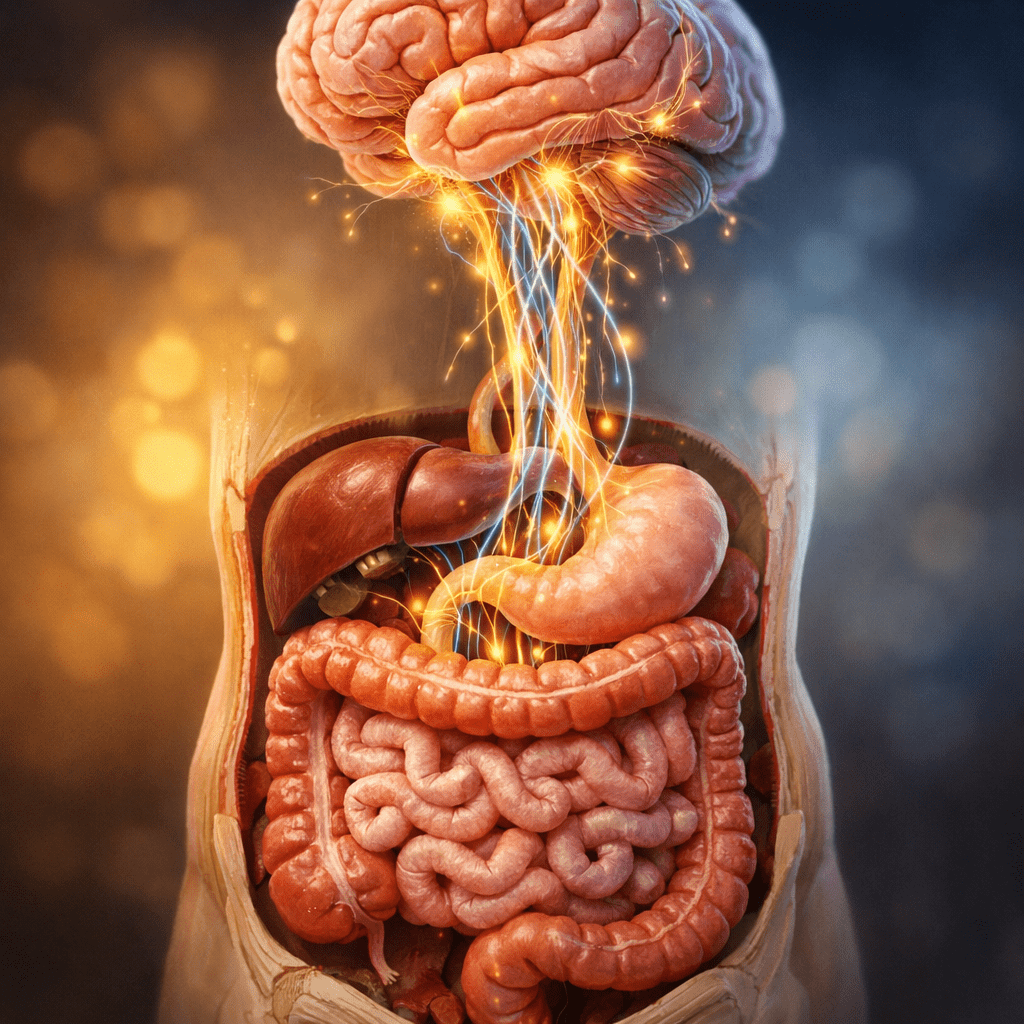
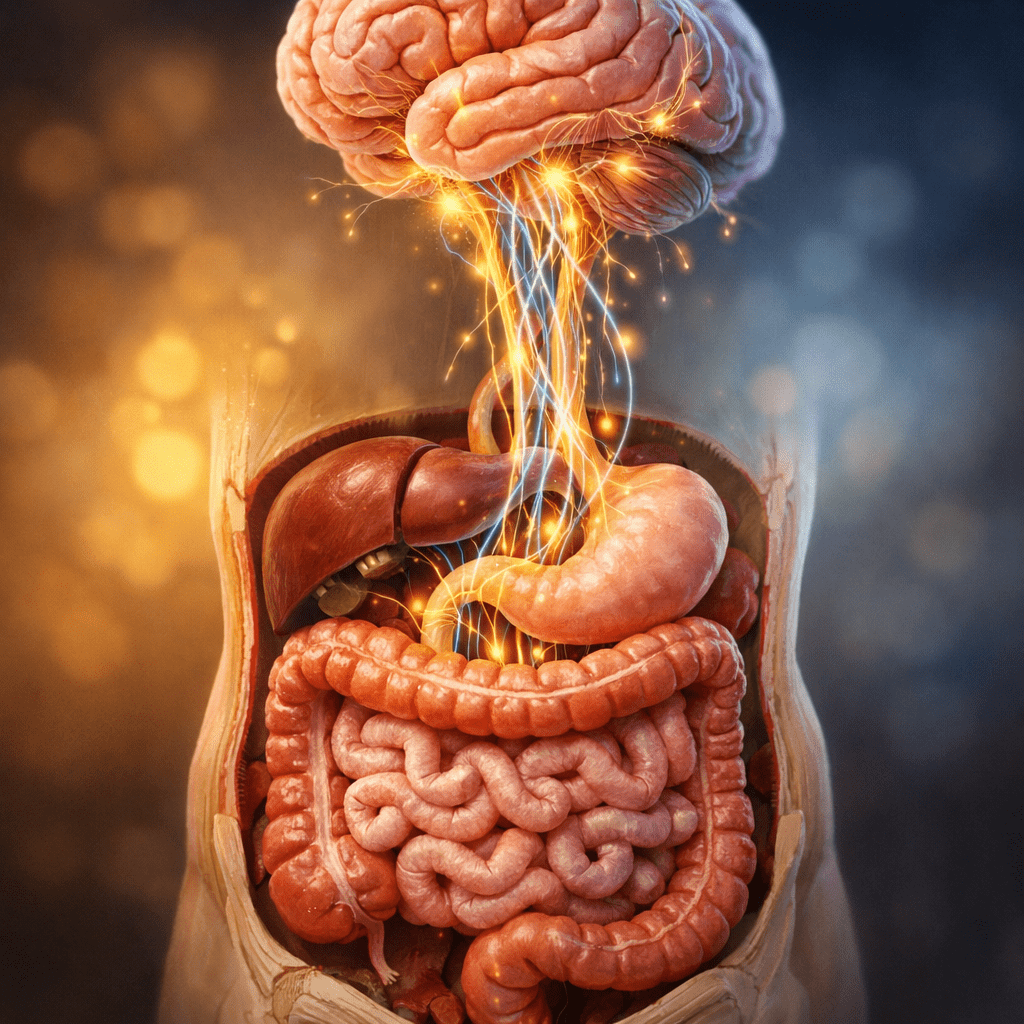
Good digestion is the foundation of vibrant health. When your digestive system works smoothly, you feel energized, clear-minded, and balanced. But when digestion falters, it affects everything—your mood, your sleep, even your ability to think clearly. The good news? You don’t need a medicine cabinet full of pills to support your digestive health. Simple, natural daily habits rooted in ancient wisdom can make a remarkable difference.
Traditional Chinese Medicine has understood for over 2,000 years what modern science is now confirming: digestion is central to overall wellness. In TCM, digestion begins not in the stomach but with the Spleen—the organ responsible for transforming food into usable energy, or Qi. When your Spleen Qi is strong, you extract maximum nutrition from what you eat and feel sustained throughout the day. When it’s weak, you may experience bloating, fatigue, loose stools, or that heavy, sluggish feeling after meals.
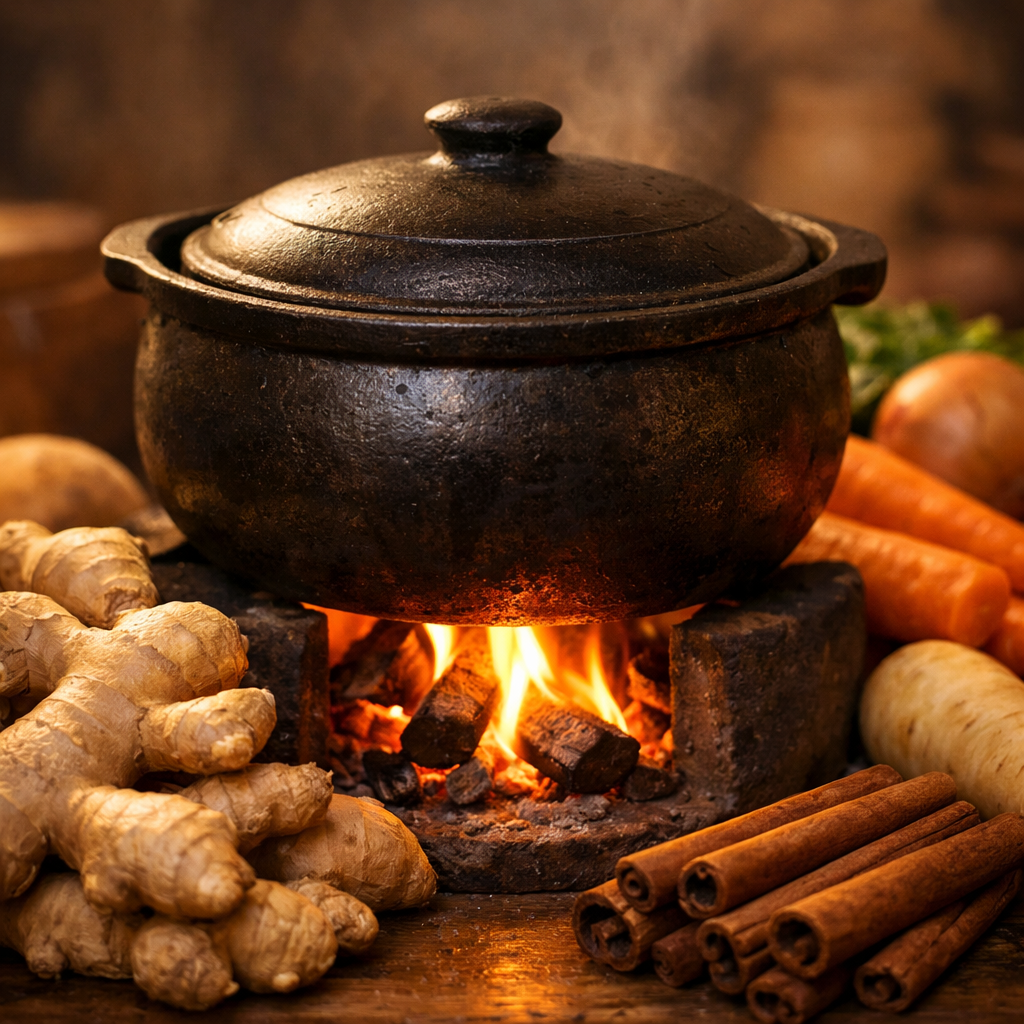
The Liver also plays a crucial role in digestion through the smooth flow of Liver Qi. Stress, frustration, or emotional tension can cause Liver Qi to stagnate, disrupting the digestive process and leading to symptoms like gas, constipation, or irritable bowel patterns. Additionally, TCM emphasizes balance between warmth and cold in the body. Your digestive system functions like a gentle fire that needs to be carefully tended—dousing it with cold foods and drinks weakens this “digestive fire,” making it harder to break down nutrients efficiently.
By understanding these principles and incorporating simple habits aligned with your body’s natural rhythms, you can improve digestion naturally and restore the harmonious balance that supports lasting health.
Nourish Your Digestion Through Food Wisdom
What you eat matters deeply, but how you eat matters just as much. Traditional Chinese Medicine teaches that food is medicine, and the right dietary choices can strengthen your Spleen Qi and support smooth digestion without any pharmaceutical intervention.
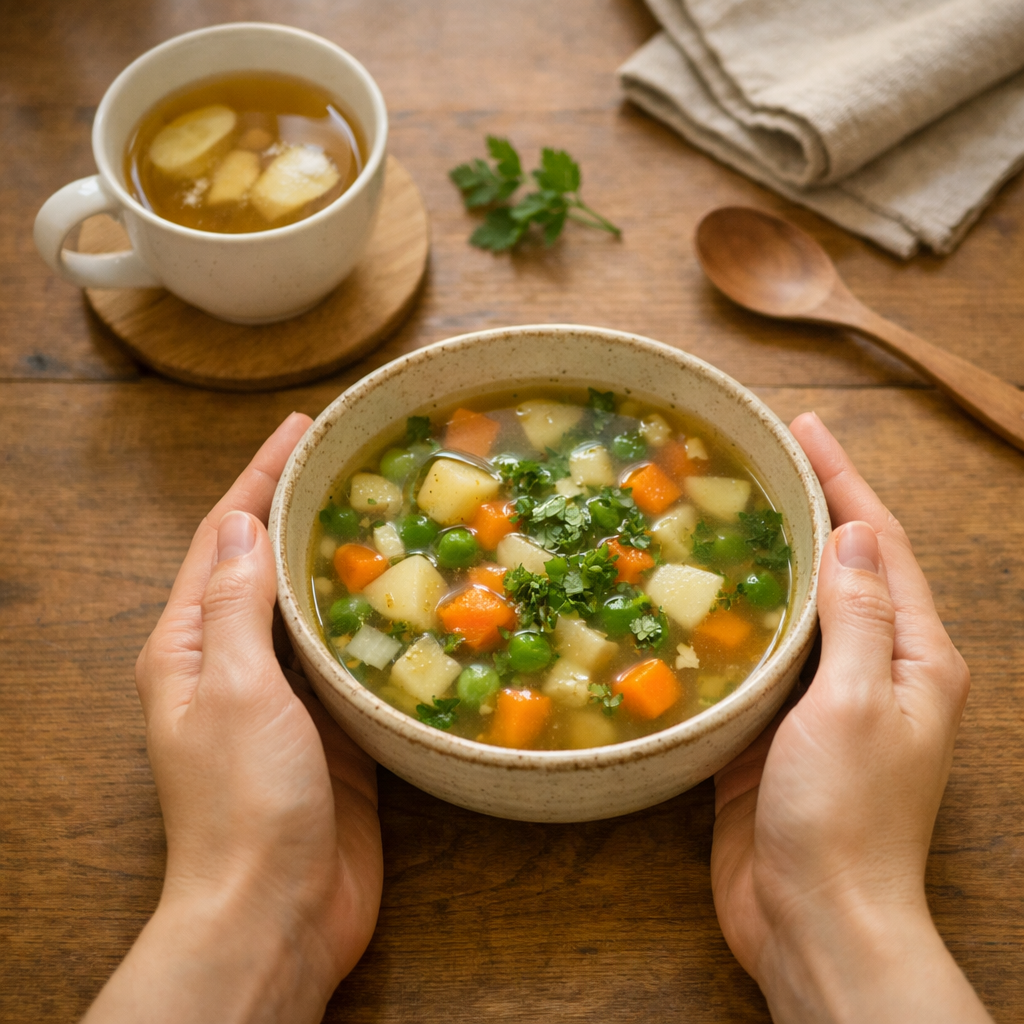
Start by embracing warm, cooked foods. Think nourishing soups, hearty stews, and gently steamed vegetables. These preparations are easier for your body to break down, requiring less digestive effort and preserving your vital energy. A bowl of vegetable soup with root vegetables like carrots and beets, or a warming chicken broth with shiitake mushrooms, provides both nutrition and digestive support. Contrast this with cold, raw salads or iced smoothies, which can dampen your digestive fire and leave you feeling bloated or tired after eating.
Include easily digestible proteins in your meals. Well-cooked beans, lentils, fish, and chicken are excellent choices that provide sustained energy without overwhelming your system. Legumes like lima beans and chickpeas, when properly cooked and paired with digestive spices, offer both protein and fiber that feed beneficial gut bacteria.
Warming spices are your digestive allies. Ginger stands out as perhaps the most powerful digestive aid in the TCM pharmacy. Adding fresh ginger to your cooking or sipping warm ginger tea helps move Qi, reduce bloating, and ease nausea. Cinnamon, another warming spice, supports Spleen function and adds natural sweetness to foods without relying on refined sugars. Other beneficial spices include fennel, cardamom, and cumin—each helping to stimulate digestive enzymes and prevent gas formation.
Regular eating patterns establish a rhythm that your body can anticipate and prepare for. Try to eat your meals at consistent times each day. This trains your digestive system to produce enzymes and digestive juices at the right moments, optimizing nutrient absorption. Make lunch your largest meal, when your digestive fire burns brightest, and keep dinner lighter and earlier in the evening.
Mindful eating transforms digestion from a mechanical process into a healing practice. When you eat while stressed, rushed, or distracted, your body remains in “fight or flight” mode, diverting blood flow away from digestion. Instead, create a peaceful eating environment. Sit down for your meals. Put away your phone and turn off the television. Chew each bite thoroughly—aim for 20 to 30 chews per mouthful. This simple act not only breaks down food mechanically but also mixes it with digestive enzymes in your saliva, giving your stomach a head start. Notice the flavors, textures, and aromas of your food. This awareness signals your brain to properly activate your digestive system.
Build Supportive Daily Rhythms
Beyond what’s on your plate, the rhythms and habits of your daily life significantly influence digestive health. Small, consistent practices can strengthen your body’s natural digestive capacity.
Maintaining regular meal times creates predictability for your digestive system. When you eat at random hours or skip meals frequently, your body never knows when to prepare for food. This erratic pattern weakens Spleen Qi over time. Establish a routine: perhaps breakfast at 8 am, lunch around noon, and dinner by 6 pm. Even if these specific times don’t fit your schedule, what matters is consistency within your own life pattern.
Hydration is essential, but the temperature of what you drink makes a difference. In TCM, drinking iced beverages with meals is like throwing cold water on a warm fire—it literally dampens your digestive capacity. Instead, sip room temperature or warm water throughout the day. Warm herbal teas, particularly those with ginger, peppermint, or chamomile, support digestion while keeping you hydrated. Try to drink most of your fluids between meals rather than with food, allowing digestive juices to remain concentrated and effective.
Gentle movement after eating activates digestion in a beautiful way. In many traditional cultures, people naturally take a short walk after dinner. This light activity stimulates the smooth flow of Qi through your digestive system, helping food move along at the proper pace. A 10 to 15-minute leisurely walk is ideal—brisk enough to stimulate but gentle enough not to divert blood flow from digestion. If walking isn’t possible, simply standing and moving around your home, doing light stretching, or even sitting upright rather than lying down helps gravity assist the digestive process.
Stress management cannot be overstated in its importance for digestive health. When you’re chronically stressed, your Liver Qi stagnates, directly interfering with the Spleen’s ability to process food. Many people experience digestive symptoms that flare during stressful periods precisely because of this mind-body connection. Build stress-reduction practices into your daily routine. Meditation, even just five minutes of focused breathing, can shift your nervous system from stress mode to rest-and-digest mode. Mindfulness practices help you become aware of how emotions affect your physical body. Some people find that journaling, spending time in nature, or practicing gentle yoga provides the emotional release needed to keep Liver Qi flowing smoothly.
Sleep quality also plays an underappreciated role in digestion. During sleep, your body repairs and regenerates digestive tissues, balances hormones that control hunger and fullness, and supports the beneficial bacteria in your gut. Aim for seven to eight hours of quality sleep, going to bed and waking at consistent times. Avoid late-night eating, giving your digestive system at least three hours to process your last meal before lying down.
Explore Complementary Healing Therapies
While dietary and lifestyle changes form the foundation of digestive wellness, certain complementary therapies can provide additional support, especially when dealing with persistent issues.
Acupuncture offers targeted relief for many digestive complaints. This ancient practice uses fine needles inserted at specific points along energy meridians to regulate Qi flow, reduce inflammation, and restore balance to the digestive organs. Research shows that acupuncture can help regulate gastrointestinal motility—the muscular contractions that move food through your system—making it useful for both constipation and diarrhea. It can also reduce bloating, ease abdominal pain, and address nausea. Many people find that regular acupuncture sessions, particularly during times of digestive distress, provide significant symptom relief without medications.
Herbal medicine represents another pillar of TCM digestive support. Unlike one-size-fits-all supplements, a qualified TCM practitioner creates personalized herbal formulas tailored to your specific body constitution and digestive pattern. Someone with weak Spleen Qi and chronic loose stools might receive warming, tonifying herbs like astragalus and codonopsis. Someone with Liver Qi stagnation causing bloating and irritability might benefit from herbs that move Qi like bupleurum and white peony. These formulas work holistically, addressing root imbalances rather than merely suppressing symptoms.
This personalized approach aligns perfectly with HerbalsZen’s philosophy of recognizing that each person’s body is unique. What strengthens one person’s digestion might be entirely wrong for another. Through tools like EastChi AI, you can receive guidance based on your individual constitution, symptom patterns, and health goals—bringing ancient wisdom into the modern age through technology.
Abdominal massage is another gentle therapy worth exploring. Self-massage in a clockwise direction around your navel follows the natural path of your large intestine, helping move food waste along and relieving constipation. This simple practice, done for just five minutes daily, can improve digestive regularity and reduce bloating. Some people also find that professional massage therapy, particularly when focused on the abdomen and lower back, releases physical tension that may be contributing to digestive discomfort.
Know When to Seek Professional Guidance
While natural habits can significantly improve digestion naturally, it’s important to recognize when digestive issues require professional medical evaluation. Persistent symptoms shouldn’t be ignored, as they may signal conditions that need diagnosis and treatment.
Seek medical advice if you experience severe abdominal pain, especially if it’s sudden or accompanied by fever. Blood in your stool, whether bright red or dark and tarry, always warrants immediate evaluation. Unintended weight loss, difficulty swallowing, or persistent vomiting are red flags that require professional attention. Chronic diarrhea lasting more than a few weeks or constipation that doesn’t respond to dietary changes should also be evaluated by a healthcare provider.
Even when symptoms are less alarming, if you’ve made consistent lifestyle and dietary changes for several weeks without improvement, consultation with both conventional and integrative medicine practitioners can provide valuable insights. A comprehensive approach might include medical testing to rule out conditions like inflammatory bowel disease, celiac disease, or small intestinal bacterial overgrowth, combined with TCM evaluation to address underlying energetic imbalances.
The beauty of integrating natural habits into your routine is that they complement rather than conflict with conventional medicine when needed. Whether you’re managing a diagnosed condition or simply want to optimize your digestive health, these time-tested practices provide a foundation for wellness that works alongside modern medical care.
Bringing Ancient Wisdom Into Your Modern Life
Improving digestion naturally doesn’t require drastic changes or expensive interventions. It begins with small, mindful shifts that honor your body’s innate wisdom and support its natural healing capacity.
Start tomorrow morning with a warm breakfast—perhaps a bowl of oatmeal with cinnamon and a bit of fresh ginger. Sit down without distractions and chew each bite thoroughly. Notice how this simple change affects how you feel throughout the morning.
At lunch, choose warm, cooked foods over cold salads. Make your midday meal your most substantial, giving your body ample fuel when its digestive fire burns brightest. Afterward, take a short walk, even if just around your office or home.
Throughout the day, sip warm water or herbal tea rather than cold drinks. Notice your hydration patterns and aim for consistency between meals rather than gulping large amounts with food.
In the evening, prepare a lighter dinner with easily digestible ingredients—a vegetable soup, steamed fish with leafy greens, or a simple stir-fry with warming spices. Eat at least three hours before bedtime, giving your body time to process food before sleep.
As you implement these practices, pay attention to what your body tells you. Do you feel lighter after meals? Is your energy more stable? Are your bowel movements more regular? These subtle signals indicate that you’re moving toward better digestive harmony.
Remember that healing takes time. Your digestive system didn’t develop its current patterns overnight, and it won’t transform instantly. Be patient and consistent. The wisdom of Traditional Chinese Medicine teaches that lasting health comes from supporting your body’s natural balance rather than forcing quick fixes.
Your Path to Digestive Harmony
The journey to improve digestion naturally brings you home to a fundamental truth: your body knows how to heal when given the right support. By favoring warm, cooked foods over cold and raw options, you protect your digestive fire. By enjoying meals at regular times and eating mindfully, you create rhythms that your body can trust. By incorporating gentle spices like ginger and cinnamon, you stimulate your natural digestive capacity. By staying hydrated with warm beverages and engaging in light post-meal movement, you keep Qi flowing smoothly.
When deeper support is needed, consulting qualified professionals in both conventional medicine and Traditional Chinese Medicine provides comprehensive care. Acupuncture and personalized herbal formulas can address root imbalances that dietary changes alone might not resolve.
This integrated approach—honoring ancient wisdom while embracing modern innovation—represents the future of holistic health. At HerbalsZen, we believe in empowering you with personalized guidance that respects your unique body constitution and health journey. Just as no two people have identical fingerprints, no two digestive systems respond exactly the same way.
By weaving these natural habits into your daily life, you’re not just improving digestion—you’re cultivating the harmonious balance that allows your whole being to thrive. Your digestive health is intimately connected to your energy levels, mental clarity, emotional wellbeing, and even your immune function. When you strengthen digestion, you strengthen the very foundation of wellness itself.
Start where you are. Choose one or two habits that feel most accessible and build from there. Trust the process, listen to your body’s wisdom, and remember that every small step toward better digestive health is a step toward the vibrant, balanced life you deserve.