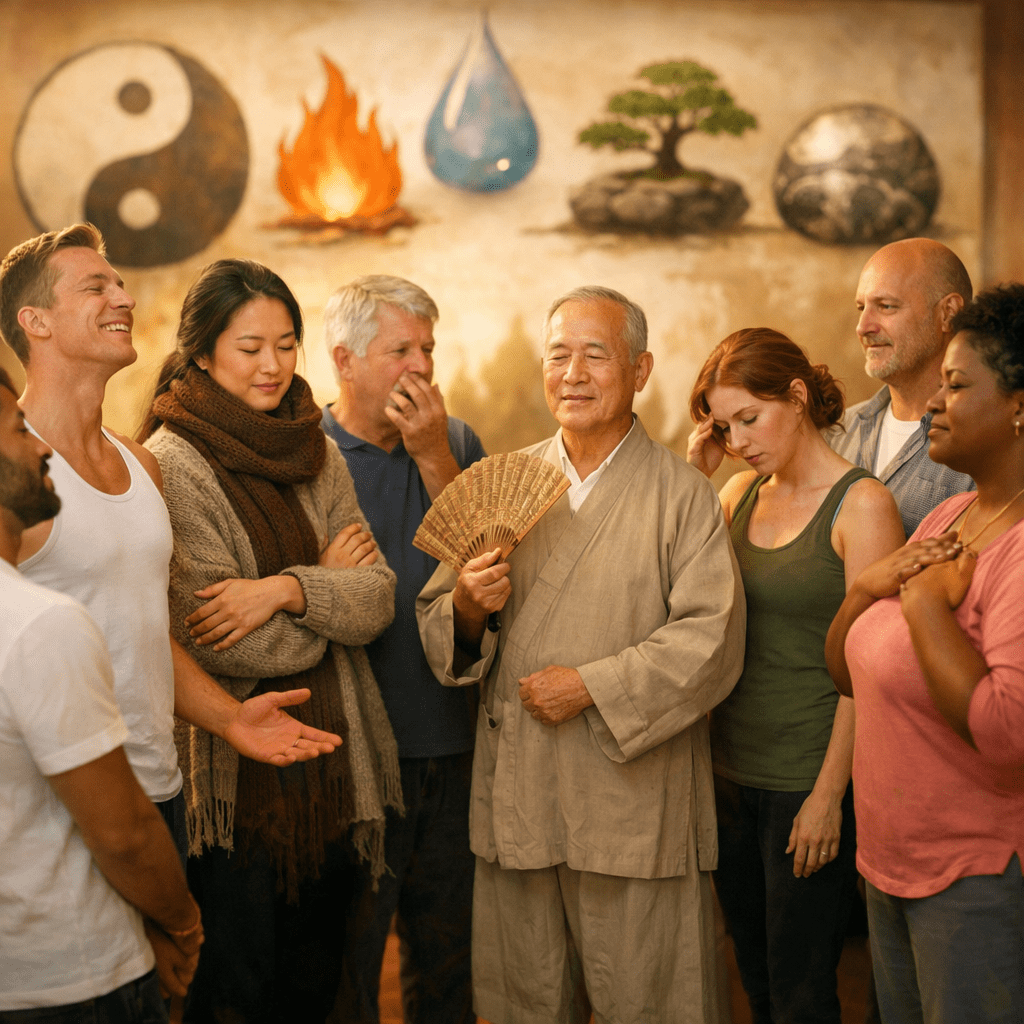
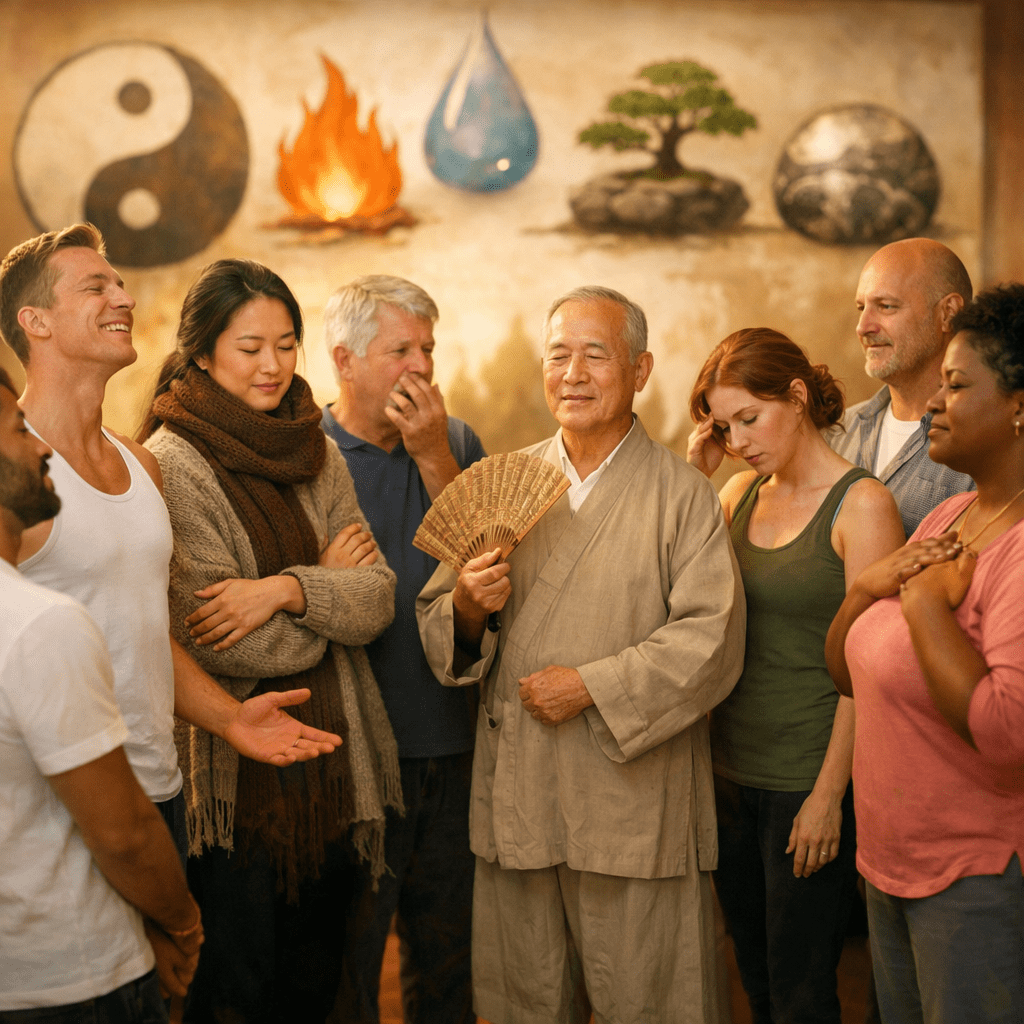
Have you ever wondered why some days you feel like you could conquer the world, while other days you can barely get off the couch? The answer might lie in understanding your Yang body type and how it influences your natural energy flow.
In traditional Chinese medicine, Yang represents the warm, active, and energizing force within your body. Think of it as your internal sun—the fire that drives your metabolism, fuels your motivation, and keeps you moving through life. Within the ancient wisdom of Yin-Yang theory, Yang is one half of a dynamic duo that works together to create harmony in your body and mind.
But here’s the thing: Yang doesn’t work alone. It needs its counterpart, Yin—the cool, calm, and restorative energy—to create true balance. When these two forces work in harmony, something magical happens. Your digestion runs smoothly, your metabolism hums along efficiently, your mood stays stable, your sleep becomes restful, and your energy feels steady throughout the day.
This balance is all about the flow of Qi, your body’s vital life force. Qi moves through invisible pathways called meridians, touching every organ, tissue, and cell. When Yang and Yin are balanced, Qi flows freely, nourishing everything in its path. Your digestive system breaks down food effectively. Your metabolism converts nutrients into usable energy. Your mind stays clear and focused. Your body knows when to rest and when to rise.
Understanding your Yang body type isn’t about fitting into a rigid category. It’s about recognizing your unique energy patterns and learning how to work with them, not against them.

Finding Your Balance: Why Too Much (or Too Little) Yang Matters
Here’s a truth that might surprise you: balance doesn’t mean having maximum Yang energy all the time. In fact, having too much Yang can be just as problematic as having too little.
Imagine your body as a thermostat. When Yang runs too hot, you might feel restless, anxious, or irritable. You might have trouble sleeping, experience digestive issues like heartburn, or feel like your mind is racing. Your nervous system stays stuck in activation mode—what we often call “fight or flight”—never giving you a chance to truly rest and recover.
On the flip side, when Yang runs too low, you might feel perpetually tired, cold, or unmotivated. Getting through your daily tasks feels like wading through molasses. Your metabolism slows down, your digestion becomes sluggish, and even your thoughts seem to move in slow motion.
The sweet spot lies in maintaining a stable Yin-Yang equilibrium—what we call homeostasis. Your nervous system has two main settings: the Yang-like activation response (the sympathetic nervous system) and the Yin-like rest and recovery mode (the parasympathetic nervous system). When these systems work in harmony, you can respond to stress when needed but also wind down and recuperate when the moment passes.
Think about your own energy patterns over the past week. Do you tend to run hot, with racing thoughts and constant activity? Or do you lean toward the cool side, needing extra warmth and motivation to get moving? Neither is inherently better or worse—they’re simply different expressions of your unique constitution that require different approaches to finding balance.
The beauty of understanding Yin-Yang theory is that it gives you a framework for making sense of your body’s signals. That afternoon energy crash? Your Yang might be depleted. Those nights when your mind won’t stop racing? Your Yang might be excessive, overshadowing your Yin. Once you understand these patterns, you can take meaningful steps to restore harmony.
Eating and Moving for Your Yang Nature
Let’s get practical. What you eat and how you move can powerfully influence your Yang balance. Personalized nutrition approaches recognize that optimal food choices vary based on your unique constitution. The good news? You don’t need complicated routines or expensive supplements. Simple, mindful choices make all the difference.
For Those Running Hot (Excess Yang)
If you tend toward overactive, high-energy states, your body craves cooling balance. Think of foods that naturally cool and calm: cucumbers, leafy greens like spinach and lettuce, watermelon, pears, and mint. These foods help temper excessive Yang without draining your vitality.
Include more plant-based proteins and reduce stimulating foods. That means going easy on caffeine, especially after noon, and being mindful of spicy foods, red meat, and alcohol—all of which add more fire to your already warm system.
One of my favorite simple strategies? Start your morning with room-temperature lemon water instead of hot coffee. It hydrates, supports digestion, and provides gentle energy without overstimulating your system.
For Those Running Cool (Deficient Yang)
If you’re someone who feels cold easily, struggles with low energy, or has sluggish digestion, your body needs warming sustenance. Embrace foods that gently kindle your inner fire: ginger, cinnamon, garlic, bone broth, root vegetables like sweet potatoes and carrots, and warming proteins like chicken and lamb.
A simple morning ritual: Add fresh ginger slices to hot water with a touch of honey. This warming tonic supports your Yang energy and gets your metabolism moving. Eating cooked foods rather than raw salads also helps preserve your digestive fire, especially during cooler months.
Movement That Supports Balance
Exercise is essential, but the type and intensity matter tremendously for Yang balance. If you’re running high on Yang, intense workouts might actually add more stress to your system. Instead, try moderate activities like brisk walking, swimming, or cycling at a comfortable pace. These activities move your Qi without depleting your reserves.
Restorative practices become your secret weapon. Gentle yoga, particularly Yin yoga (more on this shortly), stretching, and tai chi help channel excess Yang into productive movement while simultaneously nourishing your Yin.
For those with low Yang, the temptation might be to rest constantly, but gentle movement actually helps build your energy over time. Start small—a 10-minute walk around the block, some simple standing stretches, or basic qigong movements. The key is consistency without exhaustion.
Here’s a powerful tool for everyone: breathwork. Simple breathing exercises help balance your nervous system in real-time. Try this: Breathe in slowly for four counts, hold for four counts, breathe out for six counts. That extended exhale activates your parasympathetic nervous system, helping calm excess Yang. Practice this for just three minutes whenever you feel overwhelmed or overstimulated.

Calming the Fire: Mindfulness for Excess Yang
When your Yang energy runs high, your mind often follows. Racing thoughts, difficulty focusing, restlessness, irritability—these are all signs that your internal fire needs some cooling attention.
Mindfulness techniques offer a practical antidote. You don’t need to become a meditation expert or spend hours sitting in silence. Even short practices create meaningful shifts.
Simple Breathing for Busy Moments
The 4-7-8 breath is remarkably effective: Breathe in through your nose for 4 counts, hold for 7 counts, then exhale completely through your mouth for 8 counts. Repeat this cycle four times. The extended hold and exhale signal your body that it’s safe to relax, cooling the fires of excess Yang.
You can practice this anywhere—at your desk, in your car before heading into a meeting, or lying in bed when your mind won’t stop spinning. The beauty is in its simplicity.
Short Meditations That Actually Work
You don’t need 30-minute meditation sessions. Start with just five minutes of seated stillness. Find a comfortable position, close your eyes, and simply notice your breath moving in and out. When thoughts arise (and they will), gently redirect your attention back to your breathing. That’s it. No judgment, no trying to empty your mind—just gentle awareness.
Research shows that even brief daily meditation can reduce stress hormones, lower blood pressure, and improve sleep quality. For someone with excess Yang, these benefits directly address the symptoms of imbalance.
The Power of Yin Yoga
Here’s where things get really interesting. Yin yoga is specifically designed to nourish Yin energy and balance excess Yang. Unlike more active yoga styles that build heat and strength, Yin yoga involves holding gentle floor poses for 3-5 minutes, allowing your body to deeply relax and release tension.
During Yin yoga, you’re not pushing or straining. You’re surrendering into shapes that gently stretch your connective tissues while simultaneously calming your nervous system. Poses like Child’s Pose, Supine Butterfly, and Supported Forward Fold help activate your parasympathetic nervous system—the rest and digest mode that counters Yang’s constant activation.
The emotional benefits are equally profound. Yin yoga creates space for processing and releasing stored tension. Many people find that after a Yin session, they feel emotionally lighter, less reactive, and more centered. This emotional balance is crucial for overall wellbeing, as our mental and physical states are inseparably connected in Eastern medicine philosophy.
Try dedicating just 20 minutes before bed to Yin yoga. You’ll likely notice improvements in your sleep quality, reduced muscle tension, and a calmer mind. There are plenty of free guided sessions available online to get you started.
Your Quick-Start Framework for Finding Balance
Ready to begin your journey toward Yang balance? Here’s a simple framework you can start implementing today.
Step 1: Assess Your Energy Patterns
For the next week, keep a simple energy journal. Each evening, jot down:
- Your energy levels throughout the day (low, moderate, high)
- Your sleep quality (restless, okay, restful)
- Your mood and mental state (anxious, balanced, calm, sluggish)
- Any physical symptoms (digestive issues, temperature sensitivity, tension)
Look for patterns. Do you consistently feel overheated and restless? Taking our free TCM body constitution test can provide deeper insights into your unique patterns. You might be experiencing excess Yang. Do you always feel cold and tired? You might have deficient Yang. Most people find they’re not at one extreme all the time but tend to lean one direction.
Step 2: Normalize Your Daily Routines
Balance thrives on consistency. Your body craves rhythm. Try to:
- Wake up and sleep at similar times each day (this regulates your natural circadian rhythms)
- Eat meals at regular intervals (supports digestive Qi)
- Build in short breaks during your day (prevents Yang depletion)
Even small consistencies create big shifts over time. Your nervous system starts to trust that it can relax because it knows what’s coming next.
Step 3: Adopt Balance-Focused Actions
Based on your energy assessment, choose 2-3 simple actions to implement:
If you’re running hot (excess Yang):
- Add one cooling food to each meal
- Practice 5 minutes of breathing exercises daily
- Try one Yin yoga session per week
- Limit caffeine to before noon
If you’re running cool (deficient Yang):
- Include warming foods with each meal
- Take a 10-minute walk daily
- Drink warm ginger tea each morning
- Ensure you’re getting adequate protein
Step 4: Monitor and Adjust
Here’s the crucial part: balance isn’t a destination you reach and then forget about. It’s an ongoing practice of listening to your body and adjusting accordingly.
After two weeks, review your energy journal. What’s shifting? What feels better? What needs more attention? Your body will tell you what it needs if you learn to listen.
Remember, sustainable balance comes from gradual, consistent changes. You’re not trying to overhaul your entire life overnight. You’re making small, mindful adjustments that compound over time into profound transformation.
Be patient with yourself. Some days you’ll feel perfectly balanced. Other days, despite your best efforts, you’ll feel off. That’s natural. The goal isn’t perfection—it’s developing awareness and having tools to guide yourself back to center.
Ancient Wisdom Meets Modern Innovation
Understanding your Yang body type and finding your path to natural energy balance isn’t about following rigid rules from ancient texts. It’s about applying timeless wisdom in ways that fit your modern life.
This is where the beautiful fusion of traditional knowledge and contemporary innovation comes into play. At HerbalsZen, we believe that 2,000 years of Chinese medicine wisdom becomes even more powerful when enhanced by modern technology and personalized to your unique constitution.
Every person’s body is different. Your optimal balance looks different from your neighbor’s. This is why EASTCHI AI combines constitutional medicine wisdom with artificial intelligence to deliver truly personalized health recommendations. Your food sensitivities, energy patterns, stress responses, and physical constitution are uniquely yours. That’s why personalized approaches matter so much more than generic advice.
Through the lens of Five Elements theory, Qi energy patterns, and Yin-Yang balance principles, we can understand not just your symptoms but their root causes. We recognize that your digestive issues might stem from excess Yang disrupting your stomach Qi. Your sleep problems might come from deficient Yin failing to anchor your Yang at night. Your low energy might result from Yang deficiency failing to transform nutrients into vitality.
This holistic perspective—seeing the interconnected nature of physical symptoms, emotional wellbeing, and environmental factors—is what sets Eastern medicine apart. Your body isn’t a collection of separate parts. It’s an integrated whole where everything influences everything else.
The wisdom that food is medicine, that gentle movement heals, that breath connects body and mind—these aren’t new-age concepts. They’re time-tested truths validated by both ancient texts and contemporary research. Modern nutritional science increasingly confirms what traditional practitioners have known for millennia: that whole foods, mindful eating, and personalized nutrition create lasting health.
As you explore your Yang body type and work toward natural energy balance, remember that you’re not alone in this journey. Whether you’re dealing with chronic digestive concerns, struggling with persistent fatigue, managing stress, or simply seeking to optimize your wellness, natural approaches rooted in Eastern wisdom offer powerful, complementary paths alongside modern healthcare.
Your body has an innate healing potential. When given the right support—the right foods, movement, rest, and mindfulness—it naturally moves toward balance. Your role isn’t to force this balance but to remove obstacles and create conditions where harmony can emerge.
Start where you are. Choose one simple practice from this article and commit to it for just one week. Notice what shifts. Build from there. The path to balance isn’t complicated or expensive. It’s simply about returning to what your body has always known: that warmth needs coolness, activity needs rest, and Yang needs Yin.
Your journey to natural energy balance begins with a single mindful choice. What will yours be?