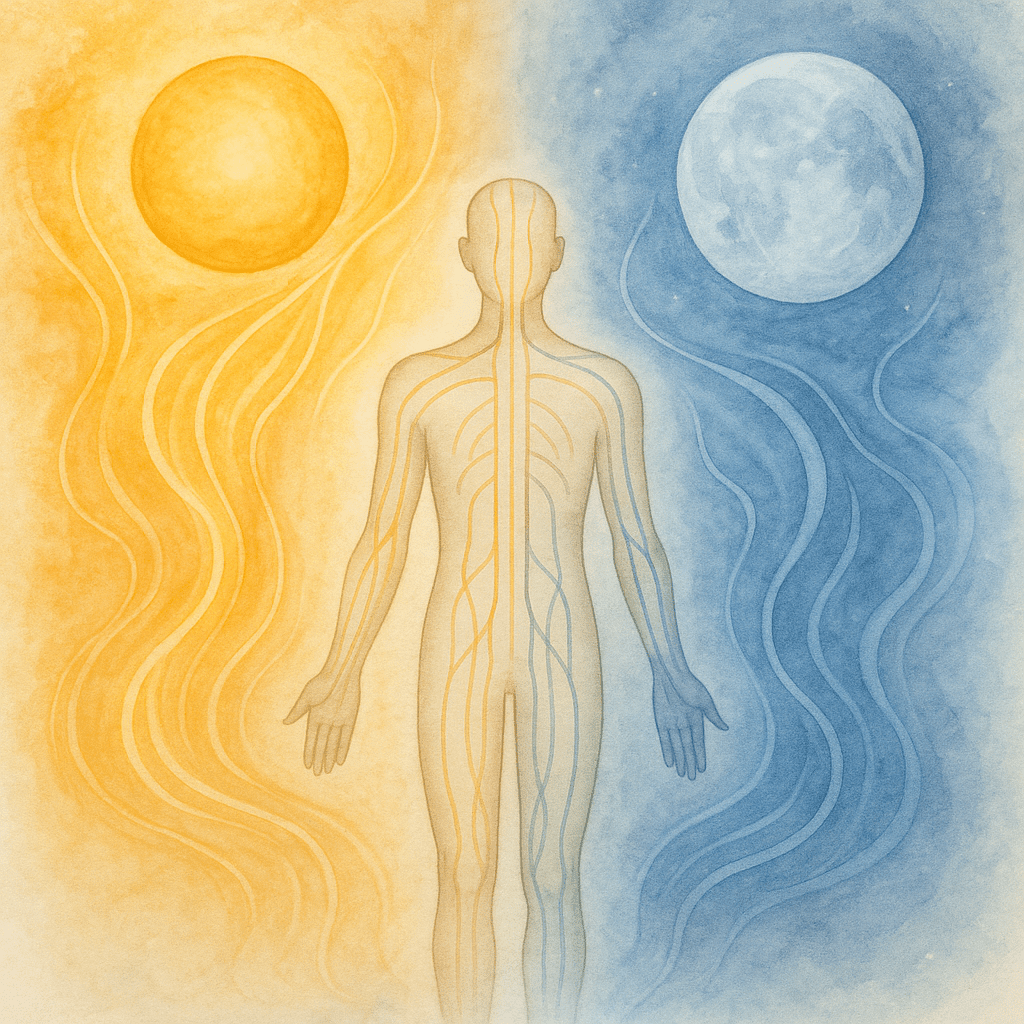
Have you ever wondered why your friend can drink cold smoothies every morning without a problem, while the same habit leaves you feeling bloated and exhausted? Or why some people thrive on raw salads while others feel constantly drained eating the same foods? The answer lies in something that Traditional Chinese Medicine has understood for over two thousand years: your unique body constitution.
Think of your constitution as your body’s internal climate—a distinctive pattern of how your system operates, responds to food, manages energy, and reacts to the environment. Just as some regions are naturally hot and dry while others are cool and humid, each person’s body has its own constitutional tendencies. Understanding your constitution types isn’t just an interesting concept; it’s a transformative tool that can explain why certain foods energize you while others drain you, why you’re more sensitive to cold or heat, and most importantly, how you can personalize your approach to eating and living for optimal wellness.
At HerbalsZen, we believe that recognizing your constitution is the first step toward genuine, lasting health transformation. It’s not about following the latest diet trend or forcing yourself into a one-size-fits-all wellness plan. Instead, it’s about discovering what your unique body truly needs and honoring that wisdom.
Understanding the Nine Constitution Types
Traditional Chinese Medicine identifies nine distinct constitution types, each with its own characteristics, strengths, and vulnerabilities. While most people have one dominant type, it’s common to show patterns from secondary types as well. Let’s explore each one so you can begin recognizing yourself in these descriptions.
Balanced Constitution: The Gold Standard
This is the constitution type everyone aspires to maintain. People with a balanced constitution typically have good energy levels, healthy digestion, restful sleep, and emotional stability. They adapt well to different foods and environmental changes. Their complexion is healthy, their tongue appears pink with a thin white coating, and they rarely get sick. If you’re thinking, “That doesn’t sound like many people I know,” you’re absolutely right. True balanced constitutions are relatively rare in our modern, stressful world, which is exactly why understanding the other types becomes so valuable.
Qi Deficiency: The Tired Traveler
Imagine feeling like your battery never fully charges, no matter how much you sleep. This pattern aligns with what Five Elements Chinese Medicine identifies as energy deficiency in the body’s fundamental systems. That’s the essence of Qi deficiency constitution. These individuals often have a soft, weak voice and tend to catch colds frequently. They might be thin or slightly overweight, with pale complexions and a general lack of vitality. After eating, they may feel sleepy rather than energized. Exercise exhausts them rather than invigorates them.
Sarah, a 34-year-old teacher, discovered she had Qi deficiency constitution after years of wondering why her colleagues could handle back-to-back classes while she felt completely drained by lunchtime. Once she understood her constitution and adjusted her diet to include more warming, nourishing foods like congee, root vegetables, and gently cooked meals, her energy transformed dramatically.

Yang Deficiency: The One Who’s Always Cold
Do you need an extra sweater when everyone else is comfortable? Do your hands and feet feel cold even in moderate temperatures? Yang deficiency constitution manifests as a constant feeling of coldness, particularly in the extremities. These individuals often have a pale, puffy face, low energy, and may experience digestive issues, especially loose stools. They prefer warm drinks and feel worse in cold, damp weather.
Yin Deficiency: The One Who Runs Hot
This is the opposite pattern from Yang deficiency. People with Yin deficiency constitution tend to feel warm or hot, especially in the palms, soles, and chest. They may experience dry mouth and throat, constipation, and restless sleep. Their complexion might appear flushed, and they often feel thirsty but only want small sips. Night sweats are common. These individuals typically feel worse in hot, dry environments and crave cooling foods.
Phlegm-Dampness: The Heavy Feeling
Think of waking up feeling like you’re moving through molasses—that’s phlegm-dampness constitution. These individuals tend to carry excess weight, particularly around the abdomen, and often feel heavy or sluggish. They may have oily skin, experience chest tightness, and notice a greasy coating on their tongue. Sweet, fatty, and fried foods make them feel worse, even though they might crave exactly these foods. They often feel foggy-headed and have difficulty concentrating.
Damp-Heat: The Sticky, Uncomfortable Feeling
Damp-Heat constitution combines the heaviness of dampness with internal heat. These people tend to have oily skin and are prone to acne, especially on the face and back. They may experience a bitter taste in their mouth, irritability, and a feeling of heaviness in their body. Their urine is often dark, and they may have loose stools or digestive discomfort. Hot, humid weather makes all symptoms worse.
Blood Stasis: The One with Poor Circulation
People with Blood Stasis constitution often have a dull, dark complexion and may bruise easily. They frequently experience stabbing or fixed pains, cold hands and feet despite adequate warmth, and women often have painful menstrual periods with dark, clotted blood. Their lips may appear purplish, and they might notice spider veins or varicose veins. These individuals often have a family history of cardiovascular issues.
Qi Stagnation: The Overthinker
This constitution type is increasingly common in our high-stress modern world. Qi Stagnation manifests primarily through emotional patterns—mood swings, anxiety, depression, or feeling “stuck” in life. Physically, these individuals might experience a sensation of something lodged in their throat, chest tightness, digestive issues that worsen with stress, and irregular menstrual cycles in women. They sigh frequently and feel better after physical activity or emotional release.
Michael, a software developer, spent years thinking his digestive problems were purely physical until he learned about Qi Stagnation constitution. He realized his stomach issues always worsened during project deadlines and improved during vacations. Understanding this pattern helped him implement stress management techniques that transformed not just his digestion but his overall quality of life.
Allergic Constitution: The Sensitive Reactor
Some people’s immune systems are simply more reactive than others. Allergic constitution individuals often have seasonal allergies, skin sensitivities, asthma, or food intolerances. They may sneeze frequently, have itchy skin or hives, and react strongly to environmental triggers like pollen, dust, or certain fabrics. Their symptoms often come and go based on what they’re exposed to.

Putting Constitution Knowledge into Daily Practice
Understanding your constitution type isn’t just theoretical knowledge—it’s a practical tool that can guide every aspect of your daily life, from personalized nutrition to stress management approaches. Here’s how to apply this wisdom for transformative health benefits.
Personalized Dietary Approaches
For Qi Deficiency types, the focus should be on easily digestible, warming foods. Think congee with chicken, root vegetables like sweet potatoes and carrots, and gentle cooking methods like steaming or slow-cooking. Avoid raw, cold foods and don’t skip meals. Small, frequent meals work better than large portions.
Yang Deficiency constitutions benefit from warming spices like ginger, cinnamon, and black pepper. Bone broths, lamb, and warming grains like oats help build internal heat. Avoid ice-cold drinks and raw foods, especially in the morning when your digestive fire is weakest.
Yin Deficiency types need cooling, moistening foods like pears, cucumber, eggs, and fish. Avoid spicy, heating foods, excessive coffee, and alcohol. Think of foods that hydrate and nourish deeply—soups, stews, and foods cooked with moisture are ideal.
Phlegm-Dampness constitutions should focus on light, easily digestible foods. Understanding how your body’s constitution determines dietary needs becomes especially important for this type. Bitter greens, barley, millet, and plenty of vegetables help clear dampness. Strictly limit sugar, dairy, fried foods, and heavy, greasy meals. These are the people who truly benefit from intermittent fasting and reducing overall food intake.
Movement and Exercise Tailored to Your Type
Qi Deficiency individuals should avoid intense, exhausting exercise. Gentle practices like tai chi, qi gong, or moderate walking are ideal. The goal is to build energy, not deplete it further.
Yang Deficiency types benefit from warming exercises that build heat gradually—brisk walking, light jogging, or hot yoga. Morning exercise, especially outdoors in sunlight, is particularly beneficial.
Yin Deficiency constitutions do better with cooling exercises like swimming, gentle yoga, or walking in nature. Avoid hot, strenuous workouts that generate excessive heat.
Qi Stagnation types desperately need movement—any form of exercise that gets energy moving helps tremendously. Running, dancing, vigorous yoga, or team sports provide both physical activity and emotional release.
Stress Management and Emotional Wellness
Different constitution types experience and process stress differently. Qi Stagnation individuals need creative outlets and emotional expression—journaling, art, music, or talking with trusted friends. They benefit enormously from therapy or coaching that helps them process emotions rather than suppress them.
Yin Deficiency types need calming, cooling practices—meditation, gentle breathing exercises, and activities that don’t overstimulate. They should avoid excessive screen time, especially before bed.
Phlegm-Dampness constitutions feel better when they break through inertia. Even when they don’t feel like it, getting moving and engaging with others helps clear the fog.
Environmental Adjustments
Yang Deficiency people should keep their living spaces warm and avoid air conditioning. Warm baths, heated blankets, and wearing layers are essential.
Yin Deficiency types need cooler environments and should avoid overheating. They sleep better in cool rooms with adequate humidity.
Damp-Heat constitutions benefit from well-ventilated, not-too-humid environments. Dehumidifiers can be helpful in damp climates.
At HerbalsZen, we’ve witnessed countless individuals transform their health by simply understanding and honoring their constitution. Our EastChi AI platform takes this ancient wisdom and makes it accessible and personalized, providing specific recommendations based on your unique constitutional pattern. This isn’t about rigid rules or restrictions—it’s about discovering what genuinely supports your body’s natural tendencies toward balance and harmony.
Your Journey to Constitutional Balance
Understanding your constitution type opens a doorway to truly personalized wellness. Instead of wondering why certain diets or exercise programs don’t work for you, you can now make informed choices based on your body’s actual needs.
Start by observing yourself honestly. Notice what foods make you feel energized versus drained. Pay attention to whether you tend to feel hot or cold, whether you have excess or deficient energy, and how your mood and digestion interact. Most people have one dominant constitution type with elements of one or two secondary patterns. This isn’t about fitting into a perfect box—it’s about recognizing your tendencies so you can work with your body rather than against it.
Remember that constitution types can shift over time based on lifestyle, stress levels, and life circumstances. Someone with a balanced constitution might develop Qi Deficiency after a period of intense work stress, or a Yin Deficiency pattern might emerge during menopause. This is why ongoing self-awareness is so valuable.
It’s also important to note that while understanding your constitution provides powerful insights for lifestyle optimization, it should complement rather than replace professional medical care. As UCLA Health notes in their TCM guidance, constitutional assessment works best as part of an integrated wellness approach. If you have serious health concerns, always consult with qualified healthcare providers who can offer comprehensive diagnosis and treatment.
The beauty of the constitution framework lies in its recognition that there’s no single “perfect” way to eat, move, or live. What works brilliantly for one person might be completely wrong for another—and now you understand why. Your friend’s cold smoothie habit works for her Yin Deficiency constitution but makes you feel worse because of your Yang Deficiency pattern. That high-intensity workout program that drains you gives someone with Qi Stagnation the energy release they desperately need.
By identifying your dominant and secondary constitutional patterns, you gain the power to make targeted lifestyle changes that actually work for your unique body. You can finally stop forcing yourself into wellness approaches that weren’t designed for you and instead embrace what genuinely supports your path to optimal health.
This is the essence of the wisdom HerbalsZen brings to modern wellness—honoring the ancient understanding that each person is unique while leveraging modern tools to make that personalized knowledge accessible and actionable. When you align your daily choices with your constitution, you’re not just following another diet or wellness trend. You’re partnering with two thousand years of accumulated wisdom about how human bodies work, combined with cutting-edge technology that personalizes this knowledge specifically for you.
Your body has been giving you signals all along. Understanding your constitution type simply helps you decode those messages and respond in ways that honor your body’s innate wisdom. The transformation that follows isn’t about forcing change—it’s about allowing your natural state of balance and harmony to emerge.